

1. Introduction
The Australian Cattle Dog: More than just a pretty face. This tough, intelligent breed is a working dog at heart, ready to tackle any challenge. But is this energetic companion the right fit for your lifestyle?
This article dives deep into the Australian Cattle Dog’s history, care requirements, training tips, common health concerns, and what makes them a unique breed.
Want to learn if an Australian Cattle Dog is your perfect match? Keep reading!
2. Quick Overview
| Attribute | Details |
|---|---|
| Breed Group: | Herding |
| Size: | Medium (43-51 cm at the shoulder, 16-23 kg) |
| Lifespan: | 12-16 years |
| Temperament: | Intelligent, energetic, loyal, independent, protective |
| Exercise Needs: | High |
| Grooming Needs: | Low to Moderate |
| Training: | Requires consistent, positive reinforcement training |
| Common Health Issues: | Hip dysplasia, progressive retinal atrophy (PRA), deafness |
| Best Suited For: | Active individuals or families with experience in dog training and a need for a loyal companion who enjoys physical and mental challenges |
3. History and Origin
Forged in the Outback: The Australian Cattle Dog’s Story
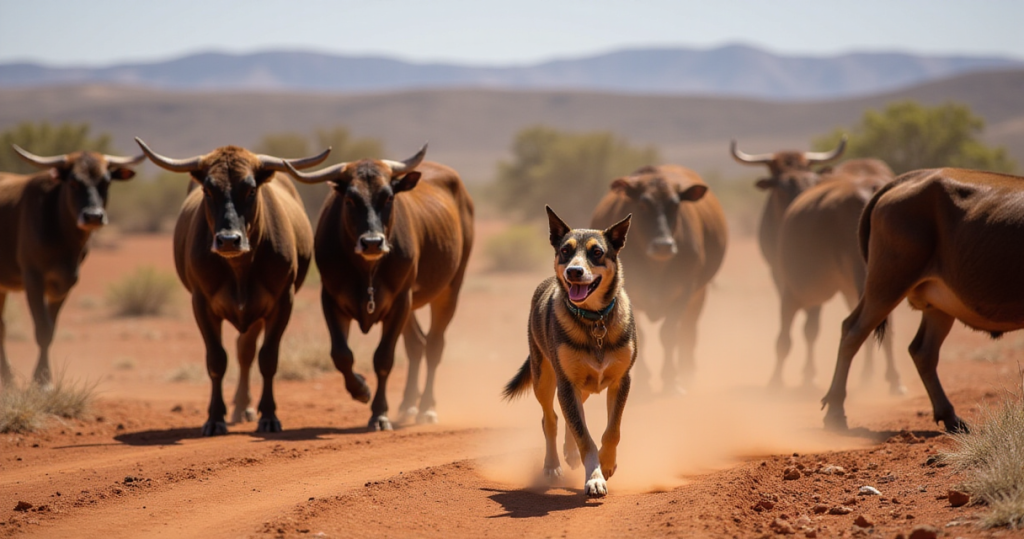
The Australian Cattle Dog’s history is intertwined with the development of the Australian cattle industry. In the 19th century, settlers needed a hardy, intelligent dog to drive cattle across vast distances in harsh conditions. Early attempts using Smithfields and other breeds proved unsuccessful.
As a veterinary professional, I’ve seen many ACDs, and their hardiness is truly remarkable. You can almost feel their history ingrained into their behaviour and loyalty.
The breed evolved through selective breeding, combining traits from blue merle collies (often called “Hall’s Heelers”), Dalmatians, and possibly Kelpies and Australian Shepherds. This mix created a dog that was both adept at herding and capable of enduring long distances.
4. Physical Characteristics
Built for Work: Understanding the Australian Cattle Dog’s Physique

Australian Cattle Dogs are medium-sized, muscular dogs built for endurance. They have a distinctive speckled or mottled coat in blue or red, with possible tan points. Their compact body and strong legs allow them to move quickly and efficiently.
One of the key things I see with ACDs is their strong physique. They are lean and muscular, built for endurance. This makes it incredibly important to ensure they are getting the right level of exercise and nutrition.
Their coat is a double coat, providing insulation against heat and cold, and protection against the harsh Australian environment.
5. Temperament and Personality
A Loyal Heart with an Independent Spirit: Decoding the ACD’s Personality

Australian Cattle Dogs are known for their intelligence, loyalty, and high energy levels. They form strong bonds with their families but can be wary of strangers. Their herding instincts make them protective of their homes and loved ones.
It’s crucial for owners to understand that their independence can sometimes translate into stubbornness.
They are highly intelligent and require mental stimulation to prevent boredom and destructive behaviours. Without a “job” to do, they may become anxious or develop unwanted habits.
- Pros: Loyal, intelligent, protective, energetic, good with children (when properly socialised).
- Cons: High energy, independent, can be stubborn, prone to nipping (due to herding instincts), requires consistent training.
6. Training and Socialisation
Shaping a Well-Rounded Companion: Training Your Australian Cattle Dog
Early socialisation is crucial for Australian Cattle Dogs to prevent fearfulness or aggression towards strangers and other animals. Consistent, positive reinforcement training methods are most effective.
As someone who works with these dogs regularly, I can tell you that a firm, but fair hand will yield the best results.
Their intelligence means they learn quickly, but their independent nature requires patience and consistency. Focus on obedience training, recall, and addressing herding instincts.
Common Challenges: Nipping at heels, chasing cars, excessive barking.
Training Tips: Use positive reinforcement, provide consistent boundaries, channel their energy into appropriate activities (e.g., agility, herding trials), and address herding instincts with redirection techniques.
7. Exercise and Activity Needs
Burning Energy: Meeting the ACD’s Exercise Demands
Australian Cattle Dogs require a significant amount of exercise to stay happy and healthy. They need at least one to two hours of vigorous activity daily. Be prepared to give them a job!
Without sufficient exercise, they may become destructive or develop behavioural problems.
Suggested Activities: Hiking, running, agility training, frisbee, herding activities (if available), interactive toys.
8. Nutrition and Dietary Needs
Fueling the Working Dog: Nutritional Needs of the ACD

Australian Cattle Dogs need a high-quality dog food that is rich in protein to support their active lifestyle. The specific dietary needs will vary based on age, activity level, and overall health. Make sure you are getting their food from a reputable source.
Puppies require more frequent feedings and a diet formulated for growth. Adult dogs can typically be fed twice a day. Senior dogs may benefit from a diet lower in calories and higher in fibre.
9. Grooming and Coat Care
Maintaining the Coat: Grooming Your Australian Cattle Dog
Australian Cattle Dogs have a short, dense double coat that requires minimal grooming. They shed moderately year-round, with heavier shedding during seasonal changes. I usually recommend a bath only when needed to prevent drying out their skin.
Regular brushing (2-3 times a week) with a slicker brush and undercoat rake can help remove loose hair and prevent matting.
- Grooming Frequency: Moderate (brushing 2-3 times per week).
- Tools Needed: Slicker brush, undercoat rake, dog shampoo.
- Tips: Bathe only when necessary, trim nails regularly, and check ears for signs of infection.
10. Common Health Issues
Understanding the Risks: Health Concerns in Australian Cattle Dogs
Like all breeds, Australian Cattle Dogs are prone to certain health issues. Common concerns include hip dysplasia, progressive retinal atrophy (PRA), and deafness. Regular vet check-ups and preventative care can help detect and manage these conditions early on.
Hip dysplasia is a genetic condition affecting the hip joint, leading to pain and lameness. PRA is a degenerative eye disease that can cause blindness. Deafness can be congenital or acquired.
Future Outlook: Research continues into genetic markers for these conditions, allowing for more informed breeding practices and potential future treatments.
11. Fun Facts
Did You Know?
- Australian Cattle Dogs are also known as Blue Heelers or Queensland Heelers.
- They are renowned for their intelligence and ability to learn complex tasks.
- Some ACDs have been known to live well beyond the average lifespan of 12-16 years.
12. Is an Australian Cattle Dog Right for You?
Finding the Perfect Match: Is an ACD Your Ideal Companion?
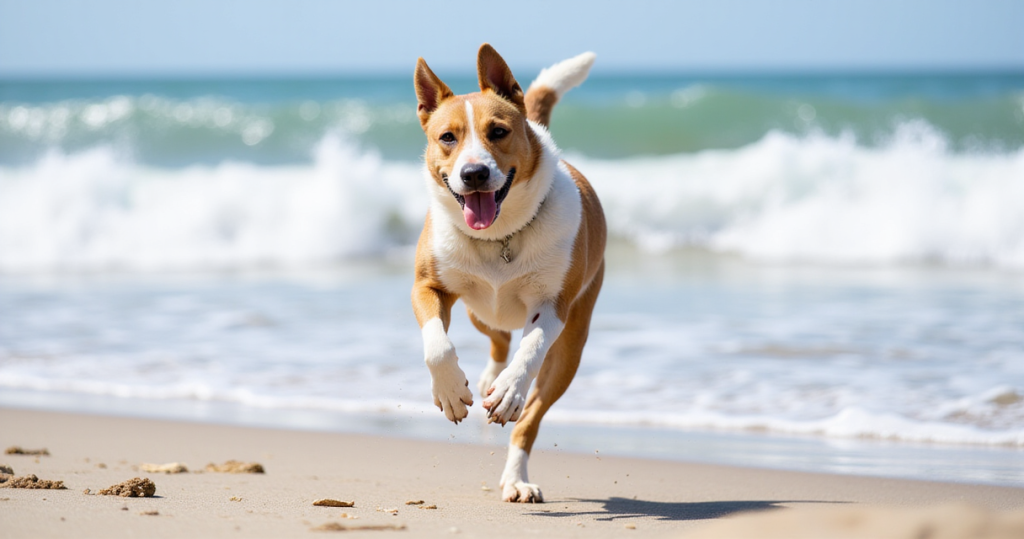
Australian Cattle Dogs are best suited for active individuals or families who can provide them with plenty of exercise, mental stimulation, and consistent training. They need a job to do and thrive in environments where they can use their intelligence and energy.
- Ideal Owner Profile: Active, experienced dog owner, someone who enjoys outdoor activities, has time for training, and can provide a stimulating environment.
- Not Ideal For: Sedentary individuals, apartment dwellers, first-time dog owners who are not prepared for the challenges of training a highly intelligent and independent breed.
13. FAQs
Common Questions About Australian Cattle Dogs
Q: How much exercise does an Australian Cattle Dog need?
A: At least 1-2 hours per day of vigorous activity.
Q: Are they good with kids?
A: Yes, when properly socialised from a young age. Their herding instincts may lead to nipping at heels, so supervision is essential.
Q: Do they shed a lot?
A: They shed moderately year-round, with heavier shedding during seasonal changes.
Q: Are they easy to train?
A: They are intelligent and learn quickly but require consistent and positive reinforcement training due to their independent nature.
14. Conclusion
Australian Cattle Dogs are intelligent, loyal, and energetic dogs that make wonderful companions for the right owners. They require a significant commitment to exercise, training, and mental stimulation.
Do you own an Australian Cattle Dog? Share your stories and tips in the comments below! Or, check out our other articles about herding breeds to learn more.

At Pet Care Community, our team of passionate pet lovers, writers, and veterinary-approved experts share reliable tips, guides, and resources to help you give your furry friends the happiest and healthiest life possible. From dog breeds and training advice to nutrition, wellness, and pet parenting hacks, we’re here to support every step of your journey as a pet parent.