

The Akita is a powerful and noble dog breed that hails from Japan. Famous for their loyalty, courage, and protective nature, Akitas are often described as dignified companions. In Australia, Akitas are still relatively rare, but their presence is growing as more families seek a loyal guardian with a strong personality.
This guide will cover everything you need to know – from the breed’s history to its temperament, health, grooming, and suitability for Australian homes.
Want to compare more breeds? Explore our full Dog Breed Library.
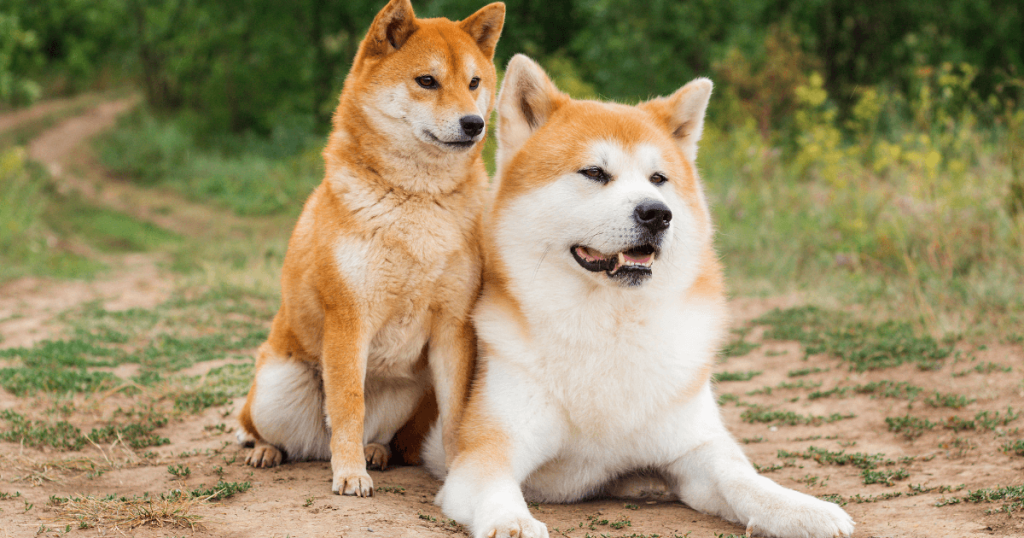
Quick Overview About Akita Dog Breed
| Feature | Description |
|---|---|
| Origin | Japan (Akita Prefecture) |
| Size | Large (32-45 kg, 66-77 cm tall) |
| Coat | Double-coated, short to medium length |
| Temperament | Loyal, courageous, independent, protective, aloof with strangers |
| Exercise Needs | Moderate (at least 1 hour of daily exercise) |
| Grooming | Moderate (regular brushing, heavy shedding periods) |
| Training | Requires experienced owner, early socialization is crucial |
| Lifespan | 10-13 years |
Akita History and Origin: Where It All Began
The Akita originated in the snowy, mountainous region of northern Japan, where it was used for hunting large game such as wild boar and bears. Revered as a symbol of health, happiness, and long life in Japan, the breed was often gifted to honour important milestones.
There are two recognised types:
- Japanese Akita (Akita Inu): slimmer build, fox-like face.
- American Akita: larger, heavier, with a bear-like head.
In Australia, the Australian National Kennel Council (ANKC) recognises both varieties, with clear breed standards for show and breeding.
Appearance & Size: What Makes Akitas Unique?
Akitas are large, muscular dogs with strong bone structure and a curled tail carried proudly over the back.
Akita Dog Size comparison:
| Male | Female | |
| Height | 66–71 cm | 61–66 cm |
| Weight | 45–59 kg | 32–45 kg |
Their dense double coat sheds seasonally and comes in colours such as red, brindle, fawn, sesame, and white.
Compare with other northern breeds like the Siberian Husky.

Temperament and Personality: What’s Their True Nature?
The Akita is deeply loyal to its family but can be aloof with strangers. They are often described as:
- Protective: natural guardians, excellent watchdogs.
- Independent: may not always seek constant affection.
- Reserved with other dogs: particularly of the same sex.
- Gentle with family: affectionate and loyal when properly socialised.
Early training and consistent socialisation are critical. Akitas respond best to firm but positive reinforcement methods.
For another protective breed, see the German Shepherd.
Pros & Cons of Owning an Akita
Pros
- Loyal & protective: Strong bond with family and excellent watchdog instincts.
- Clean habits: Akitas groom themselves like cats, often keeping their coat tidy.
- Quiet nature: Not overly vocal compared to other large breeds.
- Low exercise needs (for size): Satisfied with structured daily walks, not endless play.
- Impressive appearance: Noble, powerful presence that draws attention.
Cons
- Independent & stubborn: Training requires patience and consistency.
- Not always dog-friendly: Can be aggressive toward same-sex dogs or dominant breeds.
- Heavy shedding: Seasonal coat blowouts mean lots of vacuuming.
- Heat sensitivity: Struggles in Australia’s hotter regions without proper care.
- Not ideal for first-time owners: Best suited for experienced handlers with time to train.
Health & Lifespan
- Average lifespan: 10–13 years.
- Common health issues: hip dysplasia, progressive retinal atrophy, hypothyroidism, autoimmune conditions.
- In Australia: Akitas may struggle in hot climates and need shade, fresh water, and limited midday exercise. They are also at risk of tick-borne illnesses in coastal regions.
Regular vet check-ups, hip and eye screening, and a balanced diet help extend lifespan.
Training and Socialisation: Raising a Well-Behaved Akita
Akitas are not as hyperactive as working breeds but do require daily exercise.
- Walks: at least 1–2 long walks daily.
- Play: secure backyard playtime or structured exercise.
- Training: obedience classes recommended for first-time owners.
Due to their dominant tendencies, they are not ideal for dog parks.
Compare with high-energy breeds like the Border Collie.
Exercise and Activity Needs: Keeping Them Active and Happy
Akitas are moderately active dogs who require at least one hour of exercise per day. This can include walks, hikes, or playtime in a fenced yard. They enjoy activities that challenge them mentally, such as puzzle toys and obedience training.
Be mindful of exercising your Akita during hot weather, as their thick double coat can make them prone to overheating. Akitas are not generally high-energy, hyper dogs but they do require moderate exercise in order to keep them stimulated.
Nutrition and Dietary Needs: Feeding Your Akita Right
As a large breed, Akitas need a protein-rich diet to maintain muscle and joint health. Key nutrition tips:
- Choose high-quality dog food tailored for large breeds.
- Monitor calories to avoid obesity.
- Add supplements (e.g. omega-3, glucosamine) if advised by a vet.
- Always provide fresh water, especially in hot Australian summers.
Grooming and Coat Care: Caring for Their Signature Look
- Shedding: Akitas “blow” their coat twice a year; expect heavy shedding.
- Brushing: weekly, increasing to daily during shedding season.
- Bathing: only when necessary; too frequent baths can strip coat oils.
- General care: nail trims, dental cleaning, ear checks.
Contrast with high-maintenance breeds like the Shih Tzu.

Common Health Issues: Staying Healthy and Happy
While Akitas are generally healthy dogs, they are prone to certain health issues (common health issues in Akita dogs and prevention), including:
- Hip dysplasia: A malformation of the hip joint.
- Progressive retinal atrophy (PRA): A degenerative eye disease that can lead to blindness.
- Hypothyroidism: A condition in which the thyroid gland doesn’t produce enough hormones.
- Gastric dilatation-volvulus (GDV or bloat): A life-threatening condition where the stomach fills with gas and twists.
- Autoimmune Diseases: Akitas are prone to autoimmune diseases such as sebaceous adenitis (a skin condition) and VKH (Vogt-Koyanagi-Harada) Syndrome (an eye condition).
Preventative care includes regular vet check-ups, a healthy diet, and appropriate exercise. Responsible breeders screen their dogs for these health issues before breeding, so be sure to choose a reputable breeder.
Many of these health problems can be prevented with consistent check-ups and preventative care. Common health issues in Akita dogs and prevention involves being proactive and informed.
Akita in Australia
- Availability: registered breeders (ANKC) and breed-specific rescues occasionally have Akitas.
- Cost: $2,000–$5,000 from breeders; rescues are lower cost but rarer.
- Insurance & vet care: large dogs often have higher premiums; pet insurance helps with hip or autoimmune conditions.
- Suitability: best for homes with secure backyards, not small apartments.
Fun Facts: Did You Know?
- Akitas were originally bred for hunting bear.
- Helen Keller is credited with bringing the first Akita to the United States.
- The Akita is a national treasure in Japan.
- Hachiko, the famous Akita who waited for his deceased owner at the train station for nearly ten years, is a symbol of loyalty and devotion.
Is an Akita Right for You? Who’s the Perfect Match?
Akitas are best suited for experienced dog owners who are confident, patient, and consistent. They require a firm but fair hand and early socialization to prevent aggression towards other dogs. Akitas thrive in homes where they are the only dog or with a carefully selected companion of the opposite sex. They are devoted to their families but may not be suitable for homes with young children due to their size and potential for possessiveness. If you are an active individual or family who can provide an Akita with the training, socialization, and exercise they need, they can be a wonderful and loyal companion.
Commonly Asked Questions About Akita Dog Breed
How much exercise does an Akita need?
At least one hour of moderate exercise per day.
Are Akitas good with kids?
They can be, but early socialization and supervision are essential.
Do Akitas shed a lot?
Yes, they are heavy shedders, especially during shedding seasons.
Are Akitas easy to train?
They require an experienced owner and consistent training due to their independent nature.
Are Akitas good with children?
With proper training and supervision, Akitas can be good with respectful children. They are protective but not naturally playful like retrievers.
How long do Akitas live in Australia?
On average 10–13 years, though climate, diet, and healthcare can influence lifespan.
Do Akitas shed a lot?
Yes – expect heavy shedding twice a year when they blow their coat.
What’s the difference between Japanese and American Akitas?
Japanese Akitas are slimmer and fox-like; American Akitas are bulkier with a bear-like head.
Can Akitas live in hot climates like Australia?
Yes, but they require shade, plenty of water, and exercise during cooler hours.
Conclusion
The Akita is a majestic and loyal breed with a rich history and a distinctive temperament. They are not the right choice for everyone, but for the right owner, they can be an incredibly rewarding companion. Remember to consider their exercise needs, training requirements, and potential health concerns before bringing an Akita into your home. The breed is naturally very loyal and protective of their owners. If you feel you can do this and have the space, lifestyle and the financial means to do so, you will have found a companion for life!
Have an Akita? Share your story in the comments below!
This article was reviewed by a certified dog behaviourist in Australia. Information sourced from the Australian National Kennel Council (ANKC), RSPCA Australia, and veterinary guidelines.

At Pet Care Community, our team of passionate pet lovers, writers, and veterinary-approved experts share reliable tips, guides, and resources to help you give your furry friends the happiest and healthiest life possible. From dog breeds and training advice to nutrition, wellness, and pet parenting hacks, we’re here to support every step of your journey as a pet parent.