

Finding a lump on your dog or watching them slow down can stop you cold. Cancer is one of the most common serious illnesses in dogs, and it affects thousands of Australian families every year. The good news is that catching it early makes a real difference. Earlier detection often means more treatment options, better outcomes, and more time with your dog.
This guide will walk you through what to look for, when to act, how vets test and treat cancer, and how to care for your dog day to day. It is written for Australian dog owners who want clear, practical answers without the overwhelm.
If you have just welcomed a new pup into your home, take a moment to find the perfect name for them with our pet name generator before diving into the health essentials below.
Quick Answers
- Cancer in dogs is an uncontrolled growth of abnormal cells that can affect any organ or tissue
- Early detection significantly improves treatment success and quality of life
- Common early signs include lumps, unexplained weight loss, reduced appetite, lethargy, and changes in breathing
- Vets diagnose cancer using physical exams, fine needle aspirates, biopsies, imaging, and blood tests
- Treatment options include surgery, chemotherapy, radiation therapy, and palliative care
- Regular vet check-ups are the single most effective tool for early detection
- If you notice any warning signs, book a vet appointment promptly, do not wait and see
What Cancer in Dogs Means
Cancer happens when cells in the body grow and divide in an uncontrolled way. This growth can form a solid mass called a tumour, or it can spread through the blood and lymph system without forming a visible lump, as seen in leukaemia.
Cancer is not one disease. It is a broad term covering more than 100 different conditions. Some cancers grow slowly and stay in one place. Others spread rapidly to nearby tissues or distant organs. The type, location, and stage of the cancer all shape what treatment looks like and what to expect.
In Australia, cancer is one of the leading causes of death in dogs over the age of ten. (source: Australian Veterinary Association) Certain breeds carry a higher risk. Golden Retrievers, Boxers, Bernese Mountain Dogs, Rottweilers, and German Shepherds are among those with higher documented cancer rates. Large and giant breeds are generally at greater risk than small breeds, though cancer can affect any dog at any age.
Understanding what cancer is helps you talk to your vet clearly and make better decisions if a diagnosis comes.
Early Signs of Cancer in Dogs
Early signs of cancer in dogs are easy to miss because they often look like normal ageing or minor illness. That is exactly why knowing what to watch for matters.
What owners notice first
- A new lump or bump under the skin, or an existing one that has changed in size, shape, or texture
- Unexplained weight loss, even when appetite seems normal
- Reduced interest in food or difficulty eating and swallowing
- Persistent tiredness or reluctance to exercise
- Wounds or sores that do not heal within two weeks
- Unusual bleeding or discharge from any body opening
- Swollen lymph nodes, which feel like firm lumps under the jaw, behind the knees, or in the groin
- Persistent lameness or stiffness not explained by injury
- Difficulty breathing, a persistent cough, or laboured breathing at rest
- Changes in toileting habits, including blood in urine or stools, straining, or incontinence
Any of these signs on their own may have a benign explanation. But if a sign is new, persistent, or worsening, it needs a vet assessment.
Red flags that need urgent attention
Act quickly if your dog shows any of the following:
- A rapidly growing lump appearing within days
- Collapse, extreme weakness, or sudden inability to stand
- Uncontrolled bleeding from any site
- Severe, sudden swelling of the abdomen
- Difficulty breathing at rest
- Seizures with no prior history
If you are unsure whether your dog’s symptoms are urgent, use our pet symptom checker to help you decide your next step before calling the vet.

Lumps, Bumps, and Tumours: How to Check and What Matters
Not every lump is cancer. Lipomas (fatty lumps), cysts, and warts are common in older dogs and are usually harmless. But you cannot tell by looking or feeling alone whether a lump is dangerous. Recognising tumours in dogs early is about knowing what to monitor, not about self-diagnosing.
How to check your dog at home
Run your hands slowly over your dog’s entire body once a month. Use gentle pressure to feel under the fur and along the skin. Check the neck, armpits, chest, belly, groin, and legs. Look at the gums, inside the ears, and around the eyes.
Note anything new. Take a photo with a coin beside it for scale.
Lump tracker table
Use this table to track any lump you find. Bring it to your vet appointment.
| Feature | What to record |
| Location | Where on the body is it? |
| Size | Measure in centimetres or compare to a coin |
| Shape | Round, irregular, flat? |
| Texture | Soft, firm, hard, rubbery? |
| Skin surface | Is the skin over it intact, red, ulcerated? |
| Mobility | Does it move freely or feel fixed to tissue? |
| Change over time | Larger, smaller, or unchanged since last check? |
| Photo taken | Yes or No, with date |
| Pain response | Does your dog react when you touch it? |
Take your dog to the vet if a lump is growing quickly, is larger than 1 cm, feels hard or fixed, ulcerates or bleeds, or has been present for more than four weeks without change. (source: RSPCA Australia)
Preventive Health Checks for Cancer
Preventive health checks for cancer are one of the most practical things you can do as a dog owner. Many cancers do not cause visible symptoms until they are at an advanced stage. A vet can detect early changes through physical examination long before you would notice anything at home.
How often should your dog be checked?
- Dogs under seven years: annual wellness exam
- Dogs seven years and over: every six months
- High-risk breeds: discuss a tailored schedule with your vet
What to ask your vet at a routine visit
- Can you check all the lymph nodes today?
- Are there any lumps or masses I should be monitoring?
- Is my dog’s weight appropriate, and has it changed?
- Are there any blood tests you recommend for cancer screening at this age?
- Given my dog’s breed, are there specific cancers I should watch for?
- Is there anything in today’s exam that warrants further investigation?
Desexing before the first heat cycle has been associated with a reduced risk of mammary tumours in female dogs. (source: University of Sydney) Talk to your vet about the timing that suits your dog’s breed and health status.
How Vets Diagnose Cancer in Dogs
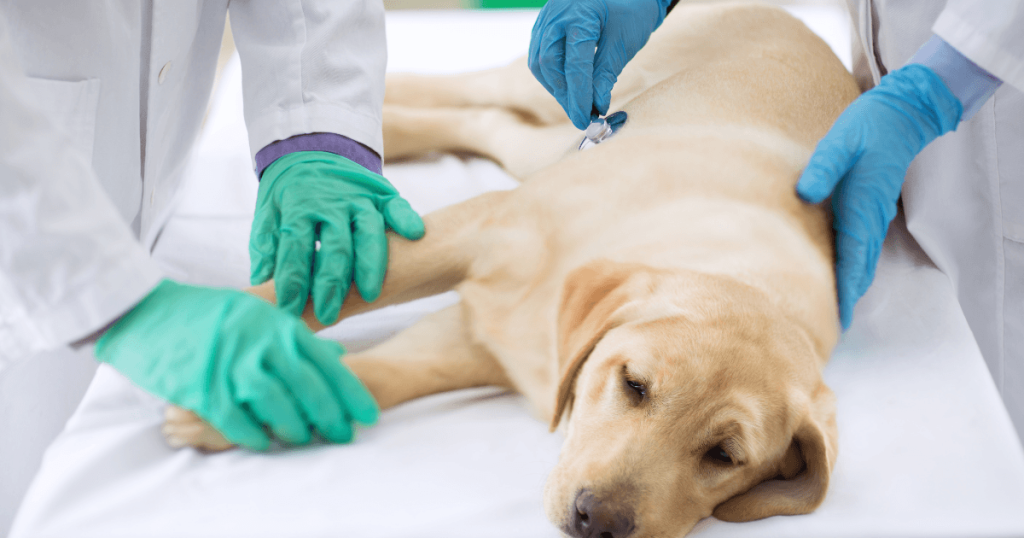
A diagnosis of cancer in dogs is never made from a lump alone. Vets use a series of tests to understand what type of cells are present, whether they are malignant, and how far the disease has spread. This process is called staging.
The main diagnostic tools
Physical examination Your vet will feel for lumps, check lymph nodes, assess organ size, and look for any abnormalities. This is the starting point for every cancer investigation.
Fine needle aspirate (FNA) A thin needle is inserted into a lump to collect a small sample of cells. The sample is placed on a slide and examined under a microscope. FNA is a quick, low-cost procedure that gives useful early information. It does not always provide a definitive diagnosis but helps guide next steps.
Biopsy A biopsy takes a tissue sample rather than just cells. It gives a more complete picture of the tumour’s structure and type. Biopsies can be done under sedation or general anaesthetic depending on the location.
Blood and urine tests These check organ function, red and white blood cell counts, and markers that may indicate disease activity. They are used both to investigate symptoms and to assess whether a dog is well enough for treatment.
Imaging X-rays assess bone and chest changes. Ultrasound examines soft tissue organs like the spleen, liver, and lymph nodes. CT scans or MRI provide detailed three-dimensional images and are used when precise information about tumour size and location is needed before surgery.
(source: Murdoch University)
What results tell you
Test results help your vet classify the cancer by type and grade. A low-grade tumour grows slowly and is less likely to spread. A high-grade tumour grows aggressively and carries a higher risk of spreading to other organs. Staging shows whether the cancer is localised or has spread beyond the original site.
Treatment Options for Cancer in Dogs
Treatment options for cancer in dogs depend on the cancer type, location, grade, stage, and your dog’s overall health. There is no single right path. Your vet or a veterinary oncologist will help you understand what each option offers and what it involves.
Surgery
Surgery removes the tumour and a margin of healthy tissue around it. It is the most common first-line treatment for solid tumours. When a tumour is caught early and completely removed, surgery alone can sometimes cure the disease. For other tumours, surgery reduces the load on the body and improves the response to follow-up treatments.
Chemotherapy
Chemotherapy uses drugs to kill or slow the growth of cancer cells. In dogs, chemotherapy is generally better tolerated than in humans, and severe side effects are less common. The goal is often disease control and quality of life rather than cure. Protocols vary widely depending on cancer type. Common targets include lymphoma, leukaemia, and certain bone cancers.
Radiation therapy
Radiation uses targeted high-energy beams to destroy cancer cells. It is used for tumours that cannot be fully removed surgically, or where surgery would cause significant loss of function. Radiation therapy is available at specialist veterinary centres and requires multiple treatment sessions under short general anaesthesia.
Palliative care
Palliative care focuses on managing pain and maintaining quality of life rather than treating the cancer directly. It is appropriate when curative treatment is not possible, not desired, or when the dog is not well enough for aggressive intervention. Pain relief, anti-inflammatory medications, nutritional support, and careful monitoring are central to this approach.
Questions to ask before deciding on treatment
- What is the goal of this treatment: cure, control, or comfort?
- What are the expected side effects, and how often do they occur in dogs?
- How will we know if the treatment is working?
- What happens if we choose not to treat?
- What will this cost, and are there payment options?
- How many appointments will be needed, and where?
Talking to your vet and, where available, a veterinary oncologist gives you the clearest picture of what each path looks like for your specific dog.
Caring for Dogs with Cancer: Daily Care Plan
Caring for dogs with cancer is as much about day-to-day quality of life as it is about treatment. A structured daily approach helps your dog stay comfortable and helps you stay on top of changes.
Comfort and rest
Provide a clean, warm, padded resting spot away from drafts. If your dog has reduced mobility, consider a low-sided bed that is easy to step in and out of. Keep their space calm and predictable. Dogs on treatment may sleep more than usual. Let them rest.
Appetite and nutrition
Cancer and its treatment can reduce appetite. Offer small meals more frequently rather than one large serving. Warm food slightly to enhance the smell. If your dog refuses food for more than 24 hours, contact your vet. Do not switch diets abruptly without vet guidance. Nutritional support is an important part of cancer care, and your vet can advise on appropriate feeding strategies. (source: CSIRO)
Hydration
Make sure fresh water is always available and easily accessible. Dogs on chemotherapy or those with vomiting may become dehydrated quickly. If your dog is not drinking, contact your vet the same day.
Mobility support
Short, gentle walks are better than rest alone for most dogs, unless your vet advises otherwise. Avoid slippery floors. Use ramps instead of stairs if your dog is unsteady. Non-slip mats and carpet runners can help dogs move around the home safely.
Medication routines
Keep a written log of all medications, doses, and times. Set phone reminders. Never skip a dose or double-dose without checking with your vet. If your dog vomits after taking a tablet, contact the clinic before giving another dose.
Follow-up appointments
Attend all scheduled check-ups. These appointments allow your vet to monitor treatment response, adjust medication, and catch complications early. Bring your symptom log and any questions you have written down in advance.
What to track at home
Keep a simple daily log covering:
- Appetite (ate well, ate little, refused food)
- Water intake (normal, reduced, increased)
- Energy level (normal, lower than usual, very low)
- Mobility (moving freely, stiff, reluctant to move)
- Pain signs (vocalising, guarding a body part, unusual posture)
- Vomiting or diarrhoea (yes/no, frequency)
- Any new lumps, swelling, or changes in existing lumps
- Overall mood (bright, quiet, withdrawn)
Common Mistakes to Avoid
Waiting too long to see a vet. A lump that has been there for months is a lump that could have been assessed months ago. Early assessment costs less and leaves more options open.
Assuming a soft lump is safe. Texture does not reliably predict malignancy. Only lab testing can confirm what a lump is.
Skipping follow-up appointments. Treatment for cancer requires monitoring. Missing check-ups means missing the chance to catch problems early.
Searching for a diagnosis online. Online symptom searches create anxiety without accuracy. Your vet is the only person who can assess your dog properly.
Changing diet or adding supplements without advice. Some supplements interact with cancer medications. Always check with your vet before adding anything new.
Ignoring changes in behaviour. Withdrawal, restlessness, changes in posture, and reluctance to be touched are all pain signals in dogs. Take them seriously.
Cancer Care Checklist
Use this checklist to stay organised throughout your dog’s cancer journey.
- Book a vet appointment as soon as you notice a new or changing lump
- Take monthly at-home body checks and record findings
- Bring your lump tracker table to every vet visit
- Ask your vet about cancer screening at every annual or biannual check-up
- Keep a written medication and dose log
- Attend all scheduled follow-up appointments
- Track daily appetite, hydration, energy, and mobility
- Write down questions before each vet visit
- Keep emergency vet contact details saved in your phone
- Know the signs that need same-day or emergency care
4-Week Support Plan
| Week | Focus | Actions |
| Week 1 | Assessment and diagnosis | Book vet appointment, bring lump tracker notes, ask about diagnostic tests, get clarity on next steps |
| Week 2 | Treatment planning | Get full diagnosis results, ask about treatment options and goals, discuss costs, confirm follow-up schedule |
| Week 3 | Starting treatment and routine | Begin treatment if decided, set up medication log, establish daily monitoring routine, create comfortable rest space |
| Week 4 | Monitoring and adjusting | Attend first follow-up, share daily log with vet, note any changes in appetite, energy, or comfort, ask about what to watch for next |
FAQs
What are the most common cancers in dogs in Australia?
The most commonly diagnosed cancers in dogs include mast cell tumours, osteosarcoma (bone cancer), lymphoma, melanoma, soft tissue sarcomas, and mammary tumours in undesexed females. Certain breeds are predisposed to specific types, so knowing your dog’s breed risk is useful.
At what age do dogs most commonly get cancer?
Cancer can occur at any age, but it is significantly more common in dogs over seven years old. The risk increases with age. Large and giant breeds tend to develop cancer earlier in life compared to small breeds.
Is a lump on my dog always cancer?
No. Many lumps are benign, including lipomas, sebaceous cysts, and warts. However, you cannot tell by sight or touch whether a lump is dangerous. Any new or changing lump should be assessed by a vet.
Can cancer in dogs be cured?
Some cancers can be cured, particularly when detected early and fully removed through surgery. Others are managed as chronic conditions with treatment focused on controlling disease and maintaining quality of life. Your vet or a veterinary oncologist can give you an honest picture for your dog’s specific situation.
How much does cancer treatment cost for dogs in Australia?
Costs vary widely depending on the type of cancer, the treatment chosen, and where you live. A basic diagnostic work-up may cost several hundred dollars. Surgery, chemotherapy, or radiation therapy can run into the thousands. Pet insurance that includes cancer cover can significantly reduce financial stress. Discuss costs openly with your vet so you can make an informed decision.
What is palliative care for dogs with cancer?
Palliative care focuses on keeping your dog comfortable rather than treating the cancer itself. It typically includes pain relief, anti-inflammatory medication, nutritional support, and close monitoring. It is appropriate when curative treatment is not suitable or not chosen, and its goal is the best possible quality of life for as long as possible.
How do I know if my dog is in pain from cancer?
Dogs rarely cry out unless in severe pain. More common signs include changes in posture, reluctance to move, guarding a body part, reduced appetite, withdrawal from interaction, restlessness, and changes in facial expression. If you suspect your dog is in pain, contact your vet rather than waiting.
Should I consider pet insurance for my dog?
Pet insurance that covers cancer can make a meaningful difference to what treatment is accessible. If your dog is young and healthy, it is worth looking into before a diagnosis. Many policies exclude pre-existing conditions, so the earlier you take out cover, the better. Compare policies carefully and read the fine print around cancer cover.
What is a fine needle aspirate and does it hurt my dog?
A fine needle aspirate involves inserting a thin needle into a lump to collect a small cell sample. It is similar to a blood draw and causes minimal discomfort in most dogs. It does not always require sedation and takes only a few minutes. It is usually the first test your vet will recommend when investigating a lump.
Can I prevent cancer in my dog?
You cannot guarantee prevention, but you can reduce risk. Desexing before the first heat cycle reduces the risk of mammary tumours in females. Avoiding prolonged sun exposure protects light-skinned dogs from skin cancers. Maintaining a healthy weight supports overall health. Regular vet check-ups give the best chance of catching problems early.
Final Words
A cancer diagnosis is frightening, but it does not have to leave you feeling helpless. The most important thing you can do right now is stay observant, act early when something seems off, and keep a strong line of communication with your vet.
You know your dog better than anyone. Trust what you notice. Use this guide to take one clear step at a time.

A passionate dog lover, Raj Shakya has years of experience helping Aussie pet owners manage and overcome common dog training challenges. With a focus on positive reinforcement and practical solutions, Raj is dedicated to making life easier for both dogs and their families by encouraging better behaviour, stronger communication, and happier bonds.