

Introduction
Imagine a fluffy, white cloud bouncing through your home, bringing joy with every step. That’s the Bichon Frise – a breed known for its cheerful personality and adorable appearance. This article will delve into the Bichon Frise’s history, provide essential care tips, explore training techniques, and discuss common health issues to help you understand if this breed is the right fit for you.
Curious to discover if a Bichon Frise is your perfect companion? Keep reading!
Quick Overview
| Feature | Description |
|---|---|
| Breed Name | Bichon Frise |
| Origin | Mediterranean, specifically tracing back to Tenerife in the Canary Islands |
| Size | Small (9-11 inches tall, 10-18 pounds) |
| Coat | Double-coated, curly, white (may have apricot or buff shadings as puppies) |
| Temperament | Playful, affectionate, intelligent, cheerful, adaptable |
| Life Expectancy | 12-15 years |
| Grooming Needs | High; requires regular brushing, bathing, and professional grooming |
| Training | Relatively easy to train due to intelligence and eagerness to please |
| Exercise Needs | Moderate; daily walks and play sessions are sufficient |
| Health Concerns | Allergies, bladder stones, patellar luxation, cataracts |
| Hypoallergenic | Considered hypoallergenic due to low shedding, but no dog is completely allergen-free |
History and Origin: From Mediterranean Ports to Royal Courts
The Bichon Frise breed history and origin is a fascinating journey through time and across continents. Unlike some breeds with obscure origins, the Bichon Frise has a well-documented history, tracing back to the Mediterranean. These charming dogs are descendants of the Barbet, a water spaniel, which also contributed to the development of other Bichon breeds like the Maltese and Havanese. The Bichon Frise specifically is believed to have originated in Tenerife, one of the Canary Islands.
During the 13th century, Italian nobles discovered these delightful dogs and brought them back to the mainland, where they quickly became favourites among the aristocracy. The Bichon Frise’s popularity spread throughout Europe, particularly in France, where they graced the courts of French royalty. They were beloved by kings and queens, often pampered and treated as cherished companions.
However, their fortunes changed during the French Revolution. The Bichon Frise lost their royal status and were relegated to the streets, where they survived as circus performers and street dogs. Their intelligence and trainability made them ideal for entertaining crowds. After World War I, French breeders took an interest in the breed, and the Bichon Frise was officially recognized by the French Kennel Club in 1933. The breed made its way to the United States in 1956 and was recognized by the American Kennel Club (AKC) in 1972.
Here is an infographic timeline detailing the Bichon Frise’s history:
Physical Characteristics: A Cloud of White Curls
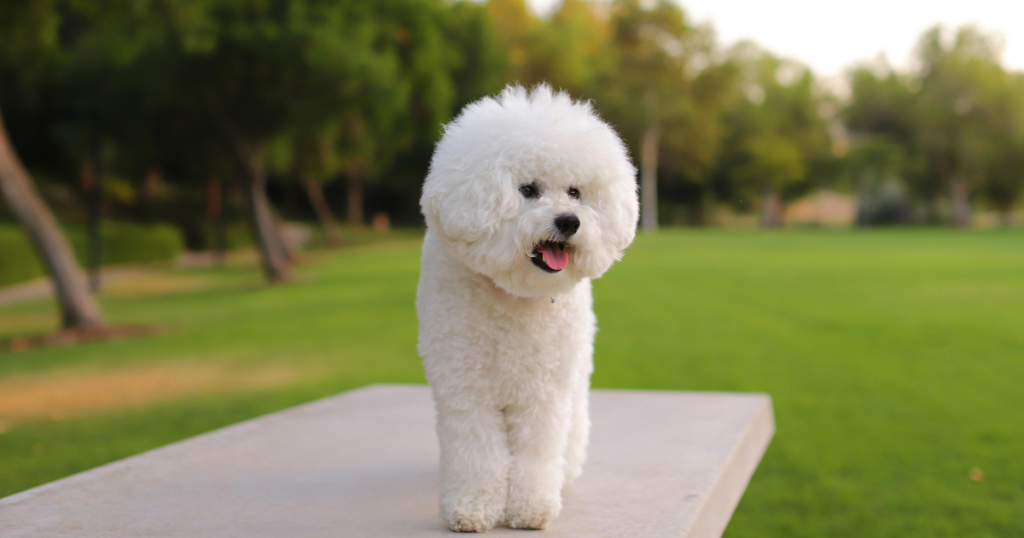
The Bichon Frise is a small dog, typically standing between 9 and 11 inches tall and weighing between 10 and 18 pounds. Their most distinctive feature is their soft, fluffy, double coat, which is always white, although puppies may have slight apricot or buff shadings that disappear as they mature. The outer coat is curly and dense, while the undercoat is soft and plush, giving them a powder-puff appearance.
Their dark, round eyes and black nose create a striking contrast against their white fur, giving them an alert and intelligent expression. Their tail is plumed and carried jauntily over their back. The Bichon Frise is a sturdy little dog with a well-proportioned body.
| Feature | Bichon Frise | Maltese | Havanese |
|---|---|---|---|
| Size (Height) | 9-11 inches | 7-9 inches | 8.5-11.5 inch |
| Weight | 10-18 pounds | 4-7 pounds | 7-13 pounds |
| Coat | Curly, Double | Long, Silky | Wavy, Silky |
| Color | White | White | Various |
Temperament and Personality: Always Happy to See You
Bichon Frises are known for their cheerful and affectionate personalities. They are playful, intelligent, and adaptable, making them excellent companions for families, seniors, and single individuals alike. They thrive on human interaction and love being the center of attention. Their happy disposition makes them a joy to be around.
- Affectionate and loving: Bichons bond strongly with their families.
- Playful and energetic: They enjoy games and walks.
- Intelligent and trainable: They are quick learners.
- Adaptable: They can adjust to different living situations, including apartments.
- Good with children: They are generally patient and tolerant.
However, there are a few potential downsides:
- Prone to separation anxiety: They don’t like being left alone for long periods.
- High grooming needs: Their coat requires regular maintenance.
- Can be barkers: They may bark excessively if not properly trained.
Training and Socialisation: Teaching Good Manners
Bichon Frises are intelligent and eager to please, which makes them relatively easy to train. Positive reinforcement methods, such as treats and praise, work best. Early socialization is crucial to ensure they are well-adjusted and comfortable around other dogs and people. Expose them to various sights, sounds, and experiences from a young age.
Common challenges can include housetraining, as they have small bladders, and barking. Consistent training and patience are key to overcoming these issues. Crate training can be beneficial for housetraining and preventing separation anxiety.

Exercise and Activity Needs: Keeping the Spring in Their Step
Bichon Frises have moderate energy levels. They need daily exercise to stay happy and healthy, but they don’t require excessive amounts of activity. A 20-30 minute walk or play session each day is usually sufficient. They also enjoy playing indoors with toys.
Suggested activities:
- Daily walks in the park
- Playing fetch in the yard
- Interactive toys to stimulate their minds
- Agility training (a fun way to bond and exercise)
| Day | Activity | Duration | Notes |
|---|---|---|---|
| Monday | Walk in the park | 30 mins | Focus on leash training and socialization. |
| Tuesday | Play fetch | 20 mins | Use a soft toy to avoid injuries. |
| Wednesday | Puzzle toys | 30 mins | Mental stimulation to prevent boredom. |
| Thursday | Agility training | 45 mins | Start with basic obstacles. |
| Friday | Free play in the yard | 30 mins | Supervise to ensure safety. |
| Saturday | Longer walk/hike | 60 mins | Explore new environments. |
| Sunday | Rest and relaxation | N/A | Allow your dog to rest and recover. |
Nutrition and Dietary Needs: Fueling the Fluff
A high-quality dog food formulated for small breeds is essential for Bichon Frises. Look for a food that is rich in protein and low in fillers. Be mindful of portion sizes to prevent obesity, a common issue in small breeds. Divide their daily food into two meals.
- Puppies: Feed 3-4 times a day.
- Adults: Feed twice a day.
- Seniors: May need softer food or supplements to support joint health.
Here is a Bichon Frise dog sitting next to a bowl of healthy dog food:

Grooming and Coat Care: Maintaining the White Cloud
The Bichon Frise’s coat requires a significant commitment to grooming. They need to be brushed several times a week to prevent matting and tangles. Regular bathing (every 2-3 weeks) is also necessary to keep their coat clean and bright. Professional grooming is recommended every 4-6 weeks to maintain their signature look.
- Tools: Slicker brush, metal comb, undercoat rake, nail clippers.
- Tips: Start grooming your Bichon Frise from a young age to get them used to the process.
Here is a Bichon Frise dog being groomed:

Common Health Issues and Prevention
While generally healthy, Bichon Frises are prone to certain health issues. Understanding these potential problems can help you provide the best possible care. Common health issues in Bichon Frise dogs and prevention are crucial for responsible ownership.
| Health Problem | Symptoms | Prevention/Management |
|---|---|---|
| Allergies | Itching, skin rashes, ear infections | Hypoallergenic diet, regular bathing with hypoallergenic shampoo, allergy testing |
| Bladder Stones | Straining to urinate, blood in urine, frequent urination | Special diet, increased water intake, regular vet check-ups |
| Patellar Luxation | Limping, skipping, or holding up a hind leg | Maintaining a healthy weight, avoiding strenuous exercise, physical therapy, surgery (in severe cases) |
| Cataracts | Cloudiness in the lens of the eye, decreased vision | Regular eye exams, antioxidant supplements, surgery (in some cases) |
| Progressive Retinal Atrophy (PRA) | Gradual loss of vision, night blindness | Genetic testing, regular eye exams, no cure |
Fun Facts
- Bichon Frises are considered hypoallergenic because they don’t shed much.
- They were once circus performers in France.
- The name “Bichon Frise” means “curly lap dog” in French.
Is a Bichon Frise Right for You?
Bichon Frises are best suited for owners who can provide them with plenty of attention, exercise, and grooming. They thrive in homes where they are part of the family.
- Ideal owner profile: Someone who is home often, enjoys grooming, and is looking for a loving companion.
- Lifestyle: Suitable for both active and laid-back lifestyles, as long as their exercise needs are met.
- Family: Great for families with children, but supervision is always recommended.
FAQs
How much exercise does a Bichon Frise need?
20-30 minutes of exercise per day is generally sufficient.
Are they good with kids?
Yes, they are generally good with children, but early socialization is important.
Do they shed a lot?
No, they are considered low-shedding, but they require regular grooming to prevent matting.
How long do Bichon Frises live?
Typically 12-15 years
Are Bichon Frises easy to train?
Yes, they are relatively easy to train with positive reinforcement.
Do Bichon Frises bark a lot?
They can be prone to barking if not properly trained.
Conclusion
The Bichon Frise is a delightful breed that brings joy and companionship to many. Their playful personality, adorable appearance, and adaptable nature make them wonderful pets. By understanding their history, how to care for a Bichon Frise dog, and potential health issues, you can ensure your Bichon Frise lives a long, happy, and healthy life.
Do you have a Bichon Frise? Share your stories and tips in the comments below! Or check out our other articles on small dog breeds.

At Pet Care Community, our team of passionate pet lovers, writers, and veterinary-approved experts share reliable tips, guides, and resources to help you give your furry friends the happiest and healthiest life possible. From dog breeds and training advice to nutrition, wellness, and pet parenting hacks, we’re here to support every step of your journey as a pet parent.