

Introduction
A whirlwind of cuteness and personality, these fluffy hybrids are stealing hearts worldwide. But beyond the adorable teddy-bear looks lies a breed with specific needs and a fascinating history. Ready to discover if a Cavoodle is the paw-fect addition to your life? Let’s dive in!
Quick Overview
| Feature | Description |
|---|---|
| Breed Type | Hybrid (Cavalier King Charles Spaniel x Poodle) |
| Size | Small (Toy or Miniature) |
| Weight | 5-12 kg (11-26 lbs) |
| Lifespan | 10-14 years |
| Temperament | Affectionate, intelligent, playful |
| Grooming | Moderate to High |
| Exercise | Moderate |
| Training | Relatively Easy |
History and Origin
Where It All Began: A Designer Dog’s Tale
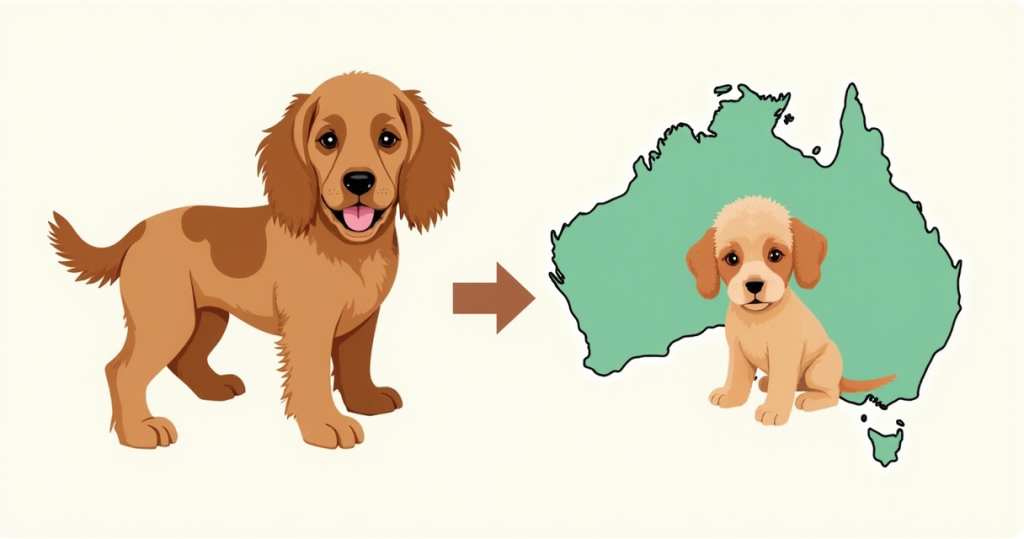
The Cavoodle isn’t an ancient breed with centuries of tradition. Instead, they’re a relatively recent creation, emerging in the late 1990s in Australia. The goal? To combine the Cavalier King Charles Spaniel’s gentle, affectionate nature with the Poodle’s intelligence and low-shedding coat.
- Early Days: Breeders aimed for a family-friendly companion dog.
- Australian Roots: Australia is considered the birthplace of the Cavoodle.
- Hybrid Vigor: Breeders hoped to minimize breed-specific health issues common in both parent breeds.
Physical Characteristics
What Makes the Cavoodle Unique? A Fluffy Package
Cavoodles are small dogs, typically weighing between 5 and 12 kilograms. Their coat is their defining feature, ranging from wavy to curly, and coming in a variety of colours, including:
- Solid Colours: Black, white, cream, chocolate
- Parti-Colours: Combinations of white with other colours
- Tricolour: Black, white, and tan
Their ears are floppy and their eyes are expressive, adding to their overall charm.
| Feature | Cavoodle | Cavalier King Charles Spaniel | Miniature Poodle |
|---|---|---|---|
| Height | 28-35 cm (11-14 in) | 30-33 cm (12-13 in) | 25-38 cm (10-15 in) |
| Weight | 5-12 kg (11-26 lbs) | 6-8 kg (13-18 lbs) | 5-9 kg (10-20 lbs) |
| Coat Type | Wavy to Curly | Long, Silky | Curly |
| Shedding | Low to Moderate | Moderate | Low |
Temperament and Personality
What’s Their True Nature? A Heart of Gold
Cavoodles are known for their affectionate, playful, and intelligent personalities. They thrive on human interaction and make excellent family pets.
- Affectionate: They love to cuddle and be close to their owners.
- Playful: They enjoy playing games and going for walks.
- Intelligent: They’re relatively easy to train.
- Social: They generally get along well with children and other pets.
Pros:
- Affectionate and loving.
- Intelligent and trainable.
- Relatively low-shedding.
- Good with children and other pets.
Cons:
- Can suffer from separation anxiety if left alone for long periods.
- May bark excessively if not properly trained.
- Prone to certain health issues (see section 10).
Training and Socialisation
Raising a Well-Behaved Cavoodle: Patience and Consistency
Early socialisation is crucial for Cavoodles. Expose them to different people, places, and sounds from a young age to help them develop into well-adjusted adults.
- Positive Reinforcement: Use treats, praise, and toys to reward good behavior.
- Consistency: Be consistent with your commands and rules.
- Socialisation: Introduce your Cavoodle to different people, dogs, and environments.
- Early Training: Start training your Cavoodle as soon as you bring them home. Focus on basic commands like sit, stay, and come.
Address common challenges: Cavoodles can be prone to barking, so early training can help manage this behavior. They can also suffer from separation anxiety, so gradually accustom them to being alone.
Exercise and Activity Needs
Keeping Them Active and Happy: Not Too Much, Not Too Little
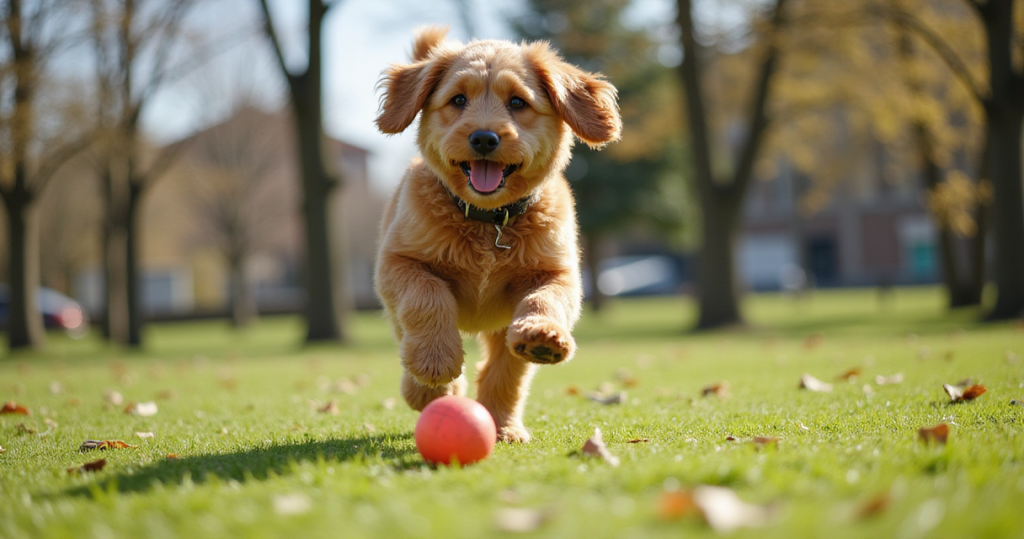
Cavoodles have moderate energy levels and need regular exercise to stay healthy and happy.
| Day | Activity | Duration |
|---|---|---|
| Monday | 30-minute walk | 30 mins |
| Tuesday | Playtime in garden | 20 mins |
| Wednesday | Training session | 15 mins |
| Thursday | 30-minute walk | 30 mins |
| Friday | Puzzle toy | 30 mins |
| Saturday | Longer walk/park | 60 mins |
| Sunday | Relaxed playtime | 30 mins |
Nutrition and Dietary Needs
Feeding Your Cavoodle Right: Quality Over Quantity
Feed your Cavoodle a high-quality dog food formulated for small breeds.
- Puppy Food: Feed puppies puppy food until they are about one year old.
- Adult Food: Switch to adult food when they reach adulthood.
- Senior Food: Consider senior food as they get older.
- Portion Control: Avoid overfeeding. Follow the feeding guidelines on the dog food packaging.
- Treats: Limit treats to no more than 10% of their daily calorie intake.
Grooming and Coat Care
Caring for Their Signature Look: Brush, Brush, Brush!
Cavoodles require regular grooming to prevent matting and tangles.
- Brushing: Brush them several times a week, or even daily.
- Bathing: Bathe them as needed, usually every few weeks.
- Professional Grooming: Consider professional grooming every few months.
- Ear Cleaning: Clean their ears regularly to prevent infections.
- Nail Trimming: Trim their nails regularly.
Coat type: Wavy to curly, requiring regular maintenance.
Grooming frequency and tools needed: Slicker brush, metal comb, and possibly professional grooming shears.
Tips for shedding seasons or hypoallergenic breeds: While Cavoodles are often marketed as hypoallergenic, no dog is truly hypoallergenic. Regular grooming can help minimise shedding and dander.

Common Health Issues
Staying Healthy and Happy: Awareness is Key
Cavoodles are prone to certain health issues, including:
- Mitral Valve Disease (MVD): A heart condition common in Cavalier King Charles Spaniels.
- Progressive Retinal Atrophy (PRA): An eye disease that can lead to blindness.
- Hip Dysplasia: A condition that affects the hip joint.
- Luxating Patella: A condition where the kneecap slips out of place.
- Ear Infections: Due to their floppy ears.
| Health Problem | Symptoms | Prevention |
|---|---|---|
| Mitral Valve Disease | Coughing, shortness of breath, lethargy | Regular vet check-ups, heart screening |
| Progressive Retinal Atrophy | Night blindness, dilated pupils, eventual blindness | Genetic testing of parents, regular eye exams |
| Hip Dysplasia | Lameness, stiffness, difficulty rising | Maintaining a healthy weight, avoiding excessive exercise as a puppy |
| Luxating Patella | Skipping, hopping, lameness | Maintaining a healthy weight, avoiding jumping from heights |
| Ear Infections | Head shaking, scratching at ears, discharge | Regular ear cleaning, drying ears thoroughly after bathing/swimming |
Fun Facts
Did You Know? Cavoodle Quirks
- Cavoodles are often called “teddy bear dogs” due to their appearance.
- They’re popular therapy dogs because of their gentle and affectionate nature.
- Their coats can vary greatly, even within the same litter.

Is a Cavoodle Right for You?
Who’s the Perfect Match? A Loving Home is a Must
Cavoodles are best suited for:
- Families with children.
- Individuals or couples looking for a companion dog.
- People who can provide plenty of attention and affection.
- People who are willing to commit to regular grooming.
- People who live in homes with a yard or have access to parks and walking trails.
FAQs
Common Questions About Cavoodles
How much exercise does a Cavoodle need?
About 30 minutes of exercise per day is usually sufficient.
Are Cavoodles good with kids?
Yes, they are generally good with children, especially when properly socialised.
Do Cavoodles shed a lot?
They are considered low-shedding, but regular grooming is still necessary.
How long do Cavoodles live?
10-14 years.
How much do Cavoodles cost?
The price varies by breeder, but it typically ranges from $2000-$5000.
Are Cavoodles easy to train?
Yes, Cavoodles are intelligent and eager to please, making them relatively easy to train.
Conclusion
Cavoodles are more than just adorable faces. They are intelligent, affectionate companions that can bring joy to the right home. If you’re prepared to provide the love, care, and attention they need, a Cavoodle might just be the paw-fect addition to your family!

At Pet Care Community, our team of passionate pet lovers, writers, and veterinary-approved experts share reliable tips, guides, and resources to help you give your furry friends the happiest and healthiest life possible. From dog breeds and training advice to nutrition, wellness, and pet parenting hacks, we’re here to support every step of your journey as a pet parent.