

Your dog is panting heavily after just a short walk. The pavement feels like it could cook breakfast. You’re worried, but you’re not sure what’s normal and what’s dangerous.
You’re right to be concerned. Australian summers can be brutal for dogs. Research from the University of New South Wales found that dogs face a 9.5% increase in death risk on days above 32°C. Dogs don’t sweat like we do. They rely on panting to cool down, and when that fails, things go wrong fast.
This summer, you need to know what heatstroke looks like, how to prevent it, and what to do if your dog starts overheating. This guide covers everything from walk timing to emergency first aid, backed by Australian veterinary research and government advice.
Let’s keep your dog safe this summer.
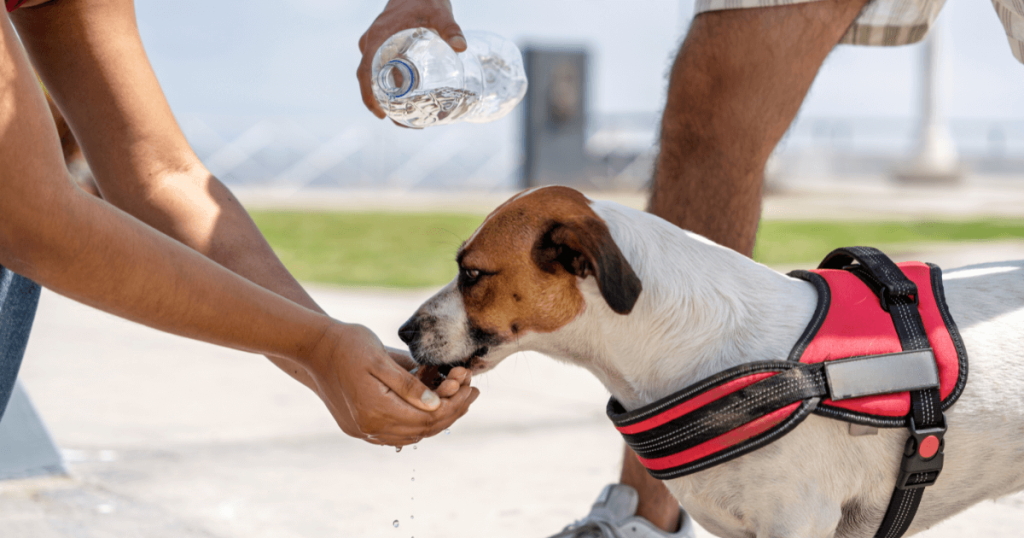
Quick Answers: Summer Heat Safety for Dogs
What is heatstroke in dogs? Heatstroke occurs when a dog’s body temperature rises above 41°C and they can no longer cool themselves. It causes organ damage and can be fatal without immediate treatment.
Why does summer heat matter for dogs? Dogs only have sweat glands in their paws and nose. They cool down by panting. Hot weather overwhelms this system, especially in humid conditions or during exercise.
What are the first signs of overheating? Excessive panting, thick drool, bright red gums, weakness, and restlessness. If you see collapse, vomiting, or confusion, this is an emergency.
What should I do if my dog is overheating? Move them to shade immediately. Wet them with cool water (not icy). Offer small sips of water. Call your vet straight away. Even if they improve, they need a vet check.
When is it too hot to walk my dog? Avoid walks when air temperature exceeds 24°C, especially for at-risk breeds. Test pavement with your hand for 7 seconds. If it’s too hot for you, it’s too hot for them.
Which dogs are most at risk? Flat-faced breeds like Bulldogs and Pugs, senior dogs, puppies, overweight dogs, and those with thick coats or heart conditions.
Can dogs recover from heatstroke? Yes, if treated quickly. Early veterinary intervention improves outcomes dramatically. Dogs that receive treatment within the first hour have better survival rates (source: RSPCA Australia).
Why Summer Heat is Risky for Dogs
Humans sweat through our entire bodies. Dogs don’t.
Dogs have sweat glands only in their paw pads and around their noses. These glands don’t do much for cooling. Instead, dogs rely almost entirely on panting. Air flows over their tongue and the moisture evaporates, releasing heat.
This system works fine in mild weather. But when temperatures climb, humidity rises, or your dog exercises hard, panting can’t keep up.
When a dog’s core body temperature rises above 41°C, proteins in their cells start breaking down. Blood flow to vital organs drops. Inflammation spreads through the body. Organs begin to fail.
Heatstroke can develop in minutes. A dog left in a car on a 22°C day can experience internal temperatures over 47°C within an hour. Even on mild days, cars heat up dangerously fast.
Australian research from NSW found that specific breeds face higher risk. Chow Chows, Bulldogs, French Bulldogs, Dogue de Bordeaux, Greyhounds, Cavalier King Charles Spaniels, Pugs, English Springer Spaniels, and Golden Retrievers all showed increased heat-related illness compared to Labradors (source: University of New South Wales).
Hot pavement, sand, and concrete make things worse. These surfaces absorb and radiate heat. Your dog’s body is closer to the ground than yours, so they cop more of this heat. Even at 25°C air temperature, pavement can reach over 50°C, hot enough to burn paw pads in 60 seconds (source: FOUR PAWS Australia).
Heatstroke vs Dehydration: What’s the Difference?
Both are dangerous. Both can happen together. But they’re not the same thing.
Heatstroke happens when your dog’s body temperature climbs too high. Their cooling system fails. Organs start shutting down. Signs include frantic panting, bright red gums, vomiting, collapse, and seizures.
Dehydration happens when your dog loses more water than they take in. This can come from panting, diarrhoea, vomiting, or just not drinking enough. Signs include dry gums, sunken eyes, loss of skin elasticity, and lethargy.
Here’s the overlap: heatstroke causes dehydration. Your dog pants heavily trying to cool down, losing water fast. Dehydration makes heatstroke worse because blood flow drops and the body struggles even more to regulate temperature.
Both need urgent action. Both can kill your dog if left untreated.
To check for dehydration at home, gently pinch the skin between your dog’s shoulder blades. In a well-hydrated dog, the skin springs back immediately. In a dehydrated dog, it stays tented or returns slowly (source: RSPCA Pet Insurance).

Signs Your Dog is Overheating
Catching the early signs can save your dog’s life. The later stages are emergencies.
Early Warning Signs
- Excessive panting or rapid breathing
- Thick, ropey drool or hypersalivation
- Bright red or dark red gums and tongue
- Restlessness, pacing, or seeking shade desperately
- Slowing down, reluctance to move
- Mild weakness or lethargy
If you see any of these signs, stop activity immediately. Move your dog to shade. Offer water. Start cooling them down.
Emergency Red Flags
These signs mean your dog is in serious trouble. Call your vet immediately:
- Vomiting or diarrhoea (may have blood)
- Collapse or inability to stand
- Muscle tremors or seizures
- Confusion, disorientation, or staggering
- Pale or blue gums
- Rapid heart rate
- Glazed eyes or fixed stare
- Loss of consciousness
At this stage, heatstroke is already causing organ damage. Every minute counts.
If you’re not sure whether your dog needs a vet, use our pet symptom checker to help you decide if symptoms are urgent or if you can monitor at home.
What to do right now:
- If early signs: Move to shade, offer water, cool with damp towels, watch closely
- If red flags appear: Start first aid cooling (see below), call vet immediately, prepare to transport
- If unsure: Better safe than sorry. Ring your vet for guidance.
Dogs Most at Risk in Hot Weather
Any dog can overheat. But some face higher danger.
Flat-Faced Breeds (Brachycephalic Dogs)
Bulldogs, Pugs, French Bulldogs, Boston Terriers, Shih Tzus, Boxers, and Pekingese all have shortened airways. They can’t pant as efficiently. Even mild heat can overwhelm them.
Brachycephalic breeds should not be walked when temperatures exceed 25°C. They often shouldn’t be left outside during hot days either.
Age Extremes
Puppies have immature temperature regulation. Their bodies haven’t fully developed cooling mechanisms yet.
Senior dogs often have underlying heart, kidney, or respiratory conditions that limit their ability to cope with heat.
Weight and Health Issues
Overweight dogs overheat faster. The extra insulation from body fat makes it harder to lose heat.
Dogs with heart disease, respiratory conditions, or kidney disease have reduced capacity for temperature regulation. Even moderate heat can push them into distress.
Coat Type
Thick, double-coated breeds like Huskies, Malamutes, Samoyeds, and Chow Chows struggle in Australian heat. Dark-coloured coats absorb more heat than light coats.
Never shave a double-coated dog. Their coat actually helps regulate temperature and protects from sunburn. Regular grooming to remove dead undercoat is better.
Male Dogs
Research shows male dogs are more likely to develop exercise-related heatstroke than females.

Preventing Heatstroke in Dogs
Prevention is everything. Once heatstroke starts, you’re in a race against time.
Dog Heat Safety Tips: Walk Timing
Safe times to walk:
- Before 8am
- After 7pm when the sun has dropped
Dangerous times:
- 10am to 5pm (avoid completely on hot days)
Temperature thresholds:
- Below 20°C: Generally safe for most dogs
- 20-23°C: Take care, especially with at-risk breeds
- 24°C and above: Harmful to all dogs, limit outdoor time.
- Above 28°C: Dangerous. Do not transport dogs in cages on utes. No outdoor exercise.
- Above 30°C: Life-threatening. Keep dogs inside with air conditioning or fans.
Humidity matters too. High humidity makes it harder for panting to work. A humid 26°C day can be more dangerous than a dry 30°C day.
The 7-Second Pavement Test
Before any walk, test the pavement temperature.
Place the back of your hand flat on the pavement or footpath. Hold it there for 7 seconds.
If you can’t keep your hand there comfortably for the full 7 seconds, it’s too hot for your dog’s paws.
At 25°C air temperature, asphalt can reach 51°C. At 30°C, it can hit 60°C. Burns can occur in 60 seconds or less.
Alternative surfaces like grass, dirt tracks, or shaded paths stay much cooler.
Preventing Overheating in Dogs: Outdoor Activity Rules
Adjust activity levels:
- Short, slow walks only during cooler hours
- No running, fetch, or high-energy play in heat
- Watch for early signs of slowing down or panting
- Take breaks every 5-10 minutes in shade
- Carry water and a portable bowl
At home:
- Provide constant access to shade (natural shade is cooler than man-made)
- Ensure good airflow (fans, open doors between rooms)
- Never leave your dog in a car, even for “just a minute”
- Avoid tying dogs up in backyards without shade options
- Use cooling mats, damp towels, or a paddling pool
Special gear:
- Cooling vests or bandanas (wet them before use)
- Paw protection boots if you must walk on warm surfaces
- Portable shade like umbrellas for beach trips
Car Safety Rules (No Exceptions)
Never leave your dog in a parked car. Not even with windows cracked. Not even in the shade. Not even for 5 minutes.
At 22°C outside temperature, the inside of a car can reach 47°C in 60 minutes. At 28°C outside, interior temperatures can hit 60°C.
Dogs die in hot cars. Every year. Even when owners think they’ll be quick.
If you see a dog in a hot car, note the time, location, and car details. Contact local police or RSPCA immediately.
Hot Pavement and Sand Risks
Pavement, concrete, asphalt, and sand can all burn paw pads.
Dark surfaces are worse than light surfaces. Metal surfaces (like ute trays) can become scorching hot.
Safe surface options:
- Grass (natural grass, not artificial turf which heats up)
- Dirt tracks
- Shaded paths
- Early morning or late evening when surfaces have cooled
At the beach, test sand temperature with your hand. Wet sand near the water stays cooler. Provide breaks in the shade. Rinse your dog’s paws and coat with fresh water after beach visits.
If transporting dogs on ute trays, regulations in some states require insulating material under dogs when temperatures reach 28°C or above (source: Agriculture Victoria). Always provide shade and water.

Hydration Tips for Dogs
Water is your dog’s lifeline in summer heat.
Water Access Plan
At home:
- Multiple water bowls in different locations (inside and outside)
- Refresh water several times daily (dogs prefer cool water)
- Use heavy bowls that won’t tip over
- Add ice cubes on very hot days
- Clean bowls daily to prevent bacteria growth
During walks and travel:
- Carry a collapsible bowl and water bottle
- Offer water every 10-15 minutes during activity
- Let your dog drink before, during, and after outdoor time
- Don’t wait until your dog seems thirsty
Travel Hydration
Pack more water than you think you’ll need. If you’re going for a beach day, bush walk, or road trip, bring at least twice the amount of water you’d normally use.
Frozen water bottles stay cold longer. By the time you need them, they’ve melted to a drinkable temperature.
Some dogs won’t drink enough when they’re excited or distracted. Encourage them to drink, but don’t force it. Forcing water can cause choking or aspiration.
Signs of Dehydration
Check your dog’s hydration regularly:
Skin tent test: Gently pinch skin between shoulder blades. It should snap back immediately. Slow return means dehydration.
Gum check: Gums should be moist and pink. Dry, sticky, or pale gums indicate dehydration.
Other signs:
- Sunken eyes
- Loss of energy or appetite
- Reduced urination or very dark urine
- Thick saliva
- Lethargy or weakness
Dehydrated dogs need water and may need veterinary fluids. If your dog won’t drink or shows moderate to severe dehydration signs, see your vet.
Hydration Boosters
Frozen treats:
- Ice cubes with pieces of dog-safe fruit frozen inside
- Frozen dog-safe broth (no onion, no salt)
- Ice cream containers filled with water and treats, then frozen
Wet food: Adding water to dry food or switching to wet food increases moisture intake.
Multiple water sources: Dogs are more likely to drink if water is available in several spots.
What to Do if You Suspect Heatstroke
Heatstroke is a veterinary emergency. You need to act fast.
First Aid Steps for Heatstroke
Step 1: Remove from heat immediately Get your dog out of the sun and into shade or air conditioning.
Step 2: Start cooling (but do it right)
- Wet your dog with cool water (not ice-cold, not icy)
- Focus on the neck, belly, armpits, and paws
- Use a damp towel or gentle hose (never force water into their mouth)
- If available, turn on a fan to increase evaporative cooling
(source: Agriculture Victoria)
Step 3: Offer small amounts of cool water If your dog is conscious and able to swallow, offer small sips of cool water. Don’t force it. Don’t let them gulp large amounts at once.
Step 4: Call your vet immediately Even if your dog seems to be improving, call your vet. Heatstroke can cause delayed organ damage that isn’t obvious at first.
Tell the vet:
- What happened (exercise, left in car, confined without shade)
- What symptoms you’ve seen
- What cooling measures you’ve taken
- How long your dog has been overheating
Step 5: Transport to vet safely Keep the car cool with air conditioning. Continue cooling measures during transport if possible. Keep your dog calm and quiet.
What NOT to Do
Don’t use ice or ice-cold water. Rapid cooling constricts blood vessels and can worsen internal damage. Cool water is safer.
Don’t force your dog to drink. This can cause choking or get water into their lungs.
Don’t delay veterinary care. Even if your dog seems better, internal damage may be progressing. Organ failure can occur hours later.
Don’t assume they’re fine if they improve. Improvement doesn’t mean recovery. They still need a vet check.
When to Go Straight to the Vet
Go immediately if you see:
- Collapse or unconsciousness
- Seizures or muscle tremors
- Vomiting (especially with blood)
- Diarrhoea (especially with blood)
- Inability to stand or walk
- Severe confusion or disorientation
- Blue or very pale gums
Don’t wait. Don’t monitor at home. Get to an emergency vet right away.
If you’re unsure whether symptoms need a vet visit, check our symptom checker for guidance on severity levels.
Common Mistakes to Avoid
Even caring dog owners make these errors.
Mistake 1: Walking during the middle of the day “It’s only a quick walk” can turn into heatstroke fast. Stick to early morning or evening.
Mistake 2: Assuming paw pads are tough enough Paw pads can burn. Always do the 7-second hand test on pavement.
Mistake 3: Leaving dogs in cars “just for a minute” Cars heat up in minutes, not hours. There’s no safe amount of time.
Mistake 4: Thinking a shaved coat keeps dogs cooler For double-coated breeds, shaving can make overheating worse and cause sunburn. Proper grooming to remove dead undercoat is better.
Mistake 5: Not recognizing early signs Excessive panting isn’t always normal. Learn the difference between normal hot-day panting and distress panting.
Mistake 6: Forcing exercise because “they need it” Your dog’s health is more important than their usual exercise routine. Adjust for the weather.
Mistake 7: Forgetting about humidity A humid 24°C day can be more dangerous than a dry 28°C day. Check both temperature and humidity.
Mistake 8: Assuming indoor dogs are safe If your house isn’t air conditioned or well-ventilated, indoor dogs can overheat too. Provide fans, cool areas, and water.
Mistake 9: Relying on outdoor water bowls only Water left in the sun heats up fast. Refresh it regularly and provide shaded water sources.
Mistake 10: Not seeking vet care because “they seem better” Heatstroke can cause delayed organ damage. Always get a vet check, even if your dog improves.
Summer Safety Checklist
Print this list and check it daily during hot weather.
Morning routine:
☐ Fresh, cool water in all bowls
☐ Check weather forecast and humidity
☐ Plan walk time (before 8am if above 20°C)
☐ Test pavement temperature with hand
During the day:
☐ Ensure access to shade at all times
☐ Provide fans or air conditioning if above 28°C
☐ Refresh water bowls mid-day
☐ Monitor for panting, lethargy, or restlessness
☐ Limit outdoor time to toilet breaks only
☐ Keep indoor areas cool and ventilated
Evening routine:
☐ Check pavement temperature before evening walk (after 7pm)
☐ Carry water and portable bowl for walks
☐ Watch for signs of overheating during and after walk
☐ Offer water immediately after activity
☐ Check paws for burns or irritation
Weekly checks:
☐ Body condition check (overweight dogs are higher risk)
☐ Groom long-haired or thick-coated dogs to remove dead undercoat
☐ Check vet records (are vaccinations current if emergency care is needed?)
☐ Review first aid supplies (damp towels, portable water)
Before leaving home:
☐ Never leave dog in car
☐ Pack extra water for travel
☐ Confirm pet-friendly stops have shade and water
☐ Ensure transport vehicle has good ventilation
☐ Bring cooling mat or damp towel
Emergency contacts ready:
☐ Regular vet phone number saved
☐ After-hours emergency vet location and number
☐ RSPCA or animal emergency service number
7-Day Summer Routine Starter Plan
This plan helps you establish safe summer habits. Adjust for your dog’s age, breed, and health.
| Day | Morning (6-8am) | Midday (10am-4pm) | Evening (7-9pm) | Notes |
| Day 1 | 15-20 min gentle walk on grass. Carry water. | Indoor rest. Access to shade, fresh water, fan. Monitor panting. | 15-20 min gentle walk. Test pavement first. | Baseline day. Watch how your dog copes. |
| Day 2 | 20 min walk if temperature below 23°C. Otherwise, skip or reduce to 10 min. | Indoor enrichment (puzzle toys, sniff games). Refresh water twice. Keep curtains closed. | Short walk if pavement passes 7-second test. Offer water before and after. | Add mental stimulation to replace physical exercise. |
| Day 3 | Morning play session in shaded yard instead of walk if forecast above 25°C. | Frozen treats at midday (ice cubes with dog-safe fruit). Rest in coolest room. | Gentle walk on grass, avoid pavement entirely. | Introduce frozen treat routine. |
| Day 4 | 15 min walk. Bring portable bowl. Let dog drink every 5-10 minutes. | Cooling mat or damp towel available. Check for signs of overheating. | Short walk. Practice “check paws for burns” after walk. | Focus on hydration practice. |
| Day 5 | Rest day if very hot forecast. Indoor bathroom breaks only. | Set up small paddling pool in shaded area. Supervise use. | Very short walk if cool enough. Otherwise, yard time only. | Introduce water play alternative. |
| Day 6 | Walk at 6:30am before heat builds. Slowly increase distance if dog copes well. | Regular water bowl checks. Ice in water bowls. Fan on during hottest hours. | Normal evening walk. Monitor recovery time after walk. | Observe recovery patterns. |
| Day 7 | Review week. Adjust walk length based on observations. | Plan next week’s hot weather adjustments. Check paw pads for any damage. | Reward week with dog-safe frozen treat. Light walk. | Assessment and planning day. |
Key principles:
- Shorter, more frequent breaks are better than long exposure
- Always prioritize safety over exercise goals
- Watch your individual dog’s response and adjust
- Hot days mean rest days for many dogs
- Build cooling and hydration habits now, before extreme heat arrives
Frequently Asked Questions
How do I know if it’s too hot to walk my dog?
Use the 7-second pavement test. Place your hand on the pavement for 7 seconds. If you can’t keep it there comfortably, it’s too hot. Air temperatures above 24°C are risky for most dogs. Above 28°C is dangerous. Walk only in early morning or late evening.
Can a dog recover from heatstroke?
Yes, if treated quickly. The faster you start cooling and get veterinary care, the better the outcome. Dogs treated within the first hour have much better survival rates. Some dogs make a full recovery. Others may have lasting organ damage. Early action is critica.
What’s the difference between heat stress, heat exhaustion, and heatstroke?
Heat stress is the earliest stage. Your dog is hot and uncomfortable but still coping (panting, seeking shade). Heat exhaustion is more serious – weakness, vomiting, slowed responses. Heatstroke is life-threatening – collapse, seizures, organ failure. Each stage can progress to the next quickly.
How much water should my dog drink in summer?
As a general guide, dogs need about 30-50ml of water per kilogram of body weight per day. In hot weather or after exercise, they need more. Provide constant access to fresh water. Encourage drinking but don’t force it. If your dog seems to be drinking much more or much less than normal, talk to your vet.
Are some dog breeds more at risk in hot weather?
Yes. Flat-faced breeds (Bulldogs, Pugs, French Bulldogs) are highest risk because they can’t pant efficiently. Research from the University of New South Wales identified Chow Chows, Bulldogs, French Bulldogs, Dogue de Bordeaux, Greyhounds, Cavalier King Charles Spaniels, and Pugs as high-risk breeds. Senior dogs, puppies, overweight dogs, and those with heart or respiratory issues are also vulnerable.
Can I leave my dog in the car if I crack the windows?
No. Never leave your dog in a parked car in warm weather, even with windows cracked, even in the shade, even for a few minutes. At 22°C outside, car interiors can reach 47°C within an hour. Dogs die in hot cars every Australian summer. There is no safe way to leave a dog in a hot car.
What should I do if I see a dog in a hot car?
Note the time, location, and vehicle details. Contact local police or RSPCA immediately. If the dog is in obvious distress (unconscious, not responsive, severe panting), tell the operator it’s an emergency. Don’t break the window unless advised by authorities, but do stay with the vehicle until help arrives.
Is it safe to shave my dog’s coat in summer?
For most double-coated breeds (Huskies, Malamutes, Border Collies), shaving can actually make them hotter and cause sunburn. Their coat helps regulate temperature. Instead, regular grooming to remove dead undercoat is better. For some single-coated breeds, a light trim may help, but talk to your vet or professional groomer first.
How quickly can heatstroke develop?
Very quickly. In extreme conditions (like a hot car or intense exercise in heat), heatstroke can develop in 10-15 minutes. Even in moderate heat, if your dog can’t cool down, heatstroke can occur within 30-60 minutes. This is why prevention and early recognition are so important.
When should I take my dog to the emergency vet for heatstroke?
Take your dog to an emergency vet immediately if they collapse, have seizures, vomit (especially with blood), can’t stand, are unconscious, or have blue/very pale gums. These are life-threatening signs. Start first aid cooling on the way, but don’t delay transport. Even if symptoms are milder but not improving after initial cooling, get veterinary care. When in doubt, call your vet for advice.
Final Words
Australian summers are beautiful. They’re also dangerous for dogs.
Your dog depends on you to keep them safe. They can’t tell you when they’re in trouble until it’s too late.
Watch the temperature. Test the pavement. Adjust your routine. Keep water available. Know the warning signs. And if something seems wrong, act fast.
If you’ve just brought home a new puppy this summer, building these heat safety habits from day one will protect them for life.
Summer doesn’t have to be scary. With the right precautions, you and your dog can enjoy the season safely.
Stay cool. Stay safe. And keep your dog’s welfare front of mind every single day.

A passionate dog lover, Raj Shakya has years of experience helping Aussie pet owners manage and overcome common dog training challenges. With a focus on positive reinforcement and practical solutions, Raj is dedicated to making life easier for both dogs and their families by encouraging better behaviour, stronger communication, and happier bonds.