

Introduction
The Basenji, the ‘barkless dog’ of Africa, is more than just a silent companion. This breed, steeped in ancient history and brimming with unique traits, offers a fascinating glimpse into the canine world. In this guide, we’ll explore the Basenji’s captivating history, detailed care requirements, effective training techniques, potential health concerns, and whether this independent spirit is the right fit for your home. Intrigued by the enigma of the Basenji? Read on to discover if this ‘barkless wonder’ could be your perfect canine partner!
A Quick Look at the Basenji
| Characteristic | Description |
|---|---|
| Size: | Small to medium (40-43 cm tall, 10-11 kg) |
| Lifespan: | 13-16 years |
| Coat: | Short, fine, and tight. Chestnut red, black, tricolour (black, tan, and white), brindle |
| Temperament: | Independent, intelligent, alert, energetic, affectionate with family, reserved with strangers |
| Exercise Needs: | Moderate to high |
| Grooming Needs: | Low |
| Training: | Requires patience and consistency due to independent nature |
| Health: | Prone to certain genetic conditions like Fanconi syndrome and progressive retinal atrophy |
Where It All Began: Tracing the Basenji’s Ancient Roots
The Basenji breed history and origin is deeply intertwined with central Africa. They are depicted in ancient Egyptian artifacts, suggesting a lineage stretching back thousands of years.
Originally used as hunting dogs, Basenjis would flush out game and drive it towards nets. Their silence made them effective hunters. They were prized for their intelligence, agility, and keen senses. The modern Basenji breed developed primarily in the Congo region. The breed was first introduced to the West in the late 1930s.
Having studied canine genetics, the Basenji’s unique genetic marker points to a distinct and ancient lineage, separating it from many modern breeds bred primarily for aesthetics. This is a testament to its functional origins.
What Makes the Basenji Unique: Wrinkles, Curls, and a Silent Song
Small, muscular build. Elegant and athletic appearance. Distinctive wrinkled forehead, especially when alert. Naturally short, curled tail. Typical colours: chestnut red, black, tricolour (black, tan, and white), and brindle. Non-shedding coat (hypoallergenic qualities, although not completely allergen-free). The “barkless” trait is due to the shape of their larynx, producing a yodel-like sound instead of a typical bark.

What’s Their True Nature: An Independent Spirit with a Loyal Heart
Intelligent and independent. Energetic and playful. Affectionate with their family but can be reserved with strangers. Curious and alert. Tendency to chase. Known for their cat-like grooming habits (self-grooming). Can be escape artists if not properly exercised and mentally stimulated.
- Pros: Loyal, clean, intelligent, relatively quiet.
- Cons: Independent, can be challenging to train, prone to chasing, needs plenty of exercise.
Raising a Well-Behaved Basenji: Patience, Consistency, and Positive Reinforcement
Early socialisation is crucial to prevent shyness or aggression towards strangers. Basenjis require positive reinforcement training methods. Consistency is key due to their independent nature. Start training early, focusing on basic commands like “sit,” “stay,” and “come.” Address recall early and reinforce it frequently to manage their chasing instincts. Puzzle toys and mental stimulation are essential to prevent boredom and destructive behaviours.
Basenjis respond poorly to harsh training methods. Their intelligence means they learn quickly, but their independence requires you to make training rewarding and engaging, rather than forceful.
Keeping Them Active and Happy: Fulfilling the Basenji’s Energetic Spirit
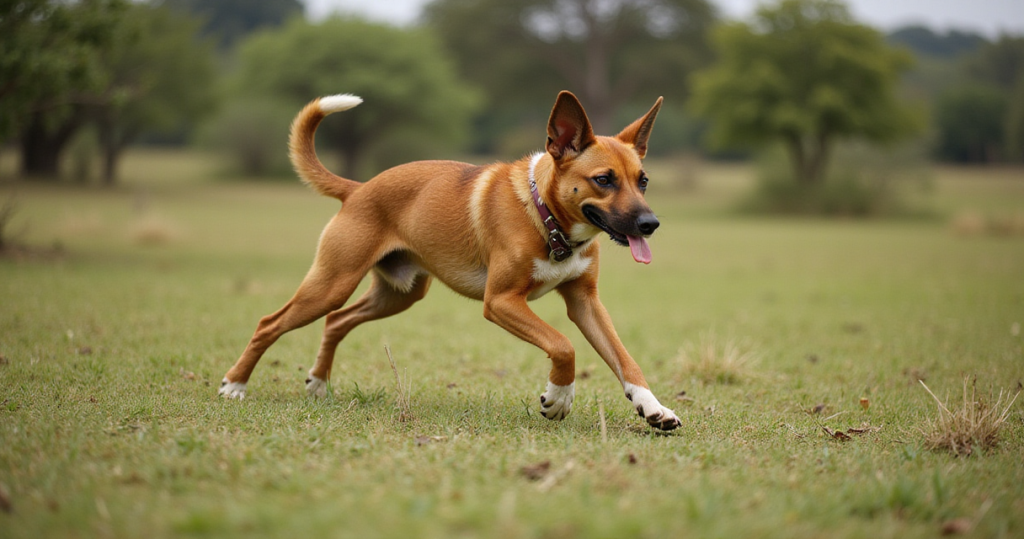
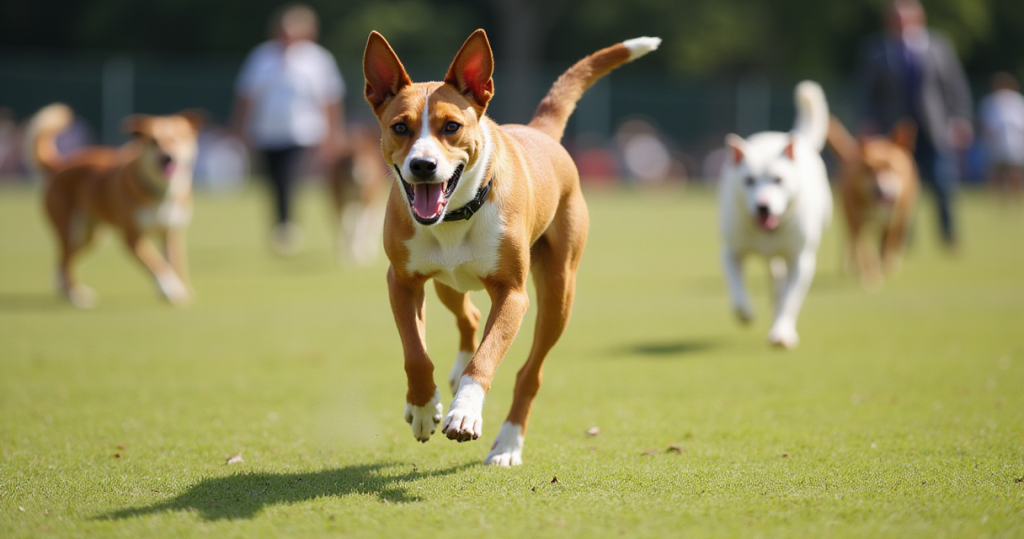
Basenjis require moderate to high exercise levels. Daily walks or runs are essential. Opportunities to run and play off-leash in a safe, enclosed area are ideal. Agility training, lure coursing, and other canine sports can provide mental and physical stimulation. Puzzle toys and interactive games can help burn energy indoors.
- Suggested activities: Hiking, running, agility, lure coursing, interactive play sessions.
Feeding Your Basenji Right: A Balanced Diet for a Healthy Life
High-quality dog food formulated for active breeds. Monitor food intake to prevent obesity. Divide daily food ration into two meals. Fresh water should always be available. Be mindful of potential allergies.
Due to the Basenji’s predisposition to Fanconi syndrome (a kidney disorder), a diet with moderate protein levels is generally recommended. Consult with a veterinarian to determine the optimal diet for your Basenji’s individual needs.
Caring for Their Signature Look: Low Maintenance Beauty
Basenjis are relatively low-maintenance when it comes to grooming. Their short, fine coat requires minimal brushing (once a week is usually sufficient). They are self-grooming, like cats. Bathe only when necessary (every few months). Regular nail trimming and teeth cleaning are essential.
Staying Healthy and Happy: Understanding Potential Health Concerns
- Fanconi Syndrome: A kidney disorder that affects the reabsorption of nutrients. Genetic testing is available.
- Progressive Retinal Atrophy (PRA): An eye disease that can lead to blindness. Genetic testing is available.
- Hip Dysplasia: A malformation of the hip joint.
- Hypothyroidism: A condition where the thyroid gland doesn’t produce enough thyroid hormone.
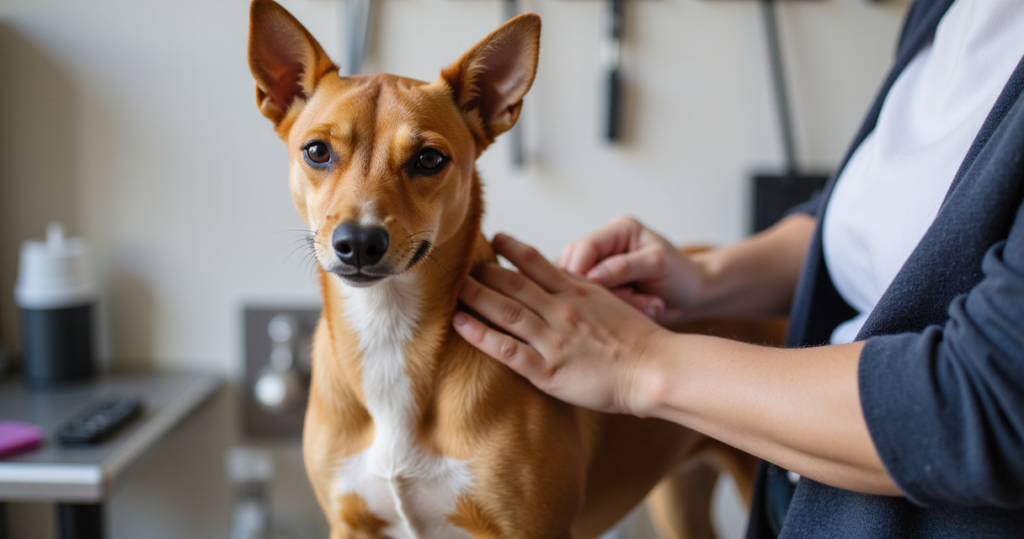
Preventative care tips: Regular vet check-ups, genetic testing, a healthy diet, and appropriate exercise.
New research focuses on understanding the genetic markers for Fanconi syndrome, aiming to develop more effective treatments and prevent the disease through selective breeding.
Did You Know? Unveiling the Basenji’s Quirky Side
- Basenjis don’t bark, but they make a yodel-like sound called a “baroo.”
- They are known as the “barkless dog” of Africa.
- They groom themselves like cats.
- They were prized hunting dogs in ancient Egypt.
Is a Basenji Right for You?
Ideal owner: Active individuals or families who can provide plenty of exercise and mental stimulation. Experienced dog owners who are patient and consistent with training. People who appreciate an independent and intelligent dog.
Not ideal for: First-time dog owners or those who prefer a highly obedient dog. Families with very young children may need to supervise interactions carefully.
FAQs
How much exercise does a Basenji need?
At least 30-60 minutes per day
Are Basenjis good with kids?
Can be good with children, especially when raised together, but supervision is recommended.
Do Basenjis shed a lot?
No, they are low-shedding.
Are Basenjis easy to train?
Can be challenging due to their independence; requires patience and consistency.
What is Fanconi syndrome?
A kidney disorder that affects nutrient reabsorption.
Conclusion
The Basenji, with its ancient lineage, unique ‘bark,’ and independent spirit, is a truly remarkable breed. Understanding their history, care needs, and potential health concerns is crucial for providing them with a happy and fulfilling life. Do you own a Basenji? Share your experiences and tips in the comments below! Or, check out our other breed guides to find the perfect canine companion for you.

At Pet Care Community, our team of passionate pet lovers, writers, and veterinary-approved experts share reliable tips, guides, and resources to help you give your furry friends the happiest and healthiest life possible. From dog breeds and training advice to nutrition, wellness, and pet parenting hacks, we’re here to support every step of your journey as a pet parent.