

1. Introduction
2. Quick Overview
| Characteristic | Description |
|---|---|
| Origin: | France (specifically, a descendant of the St. Hubert Hound) |
| Size: | Medium (Height: Up to 36 cm, Weight: 18–27 kg) |
| Lifespan: | 10–12 years |
| Temperament: | Gentle, loyal, laid-back, good-natured, sometimes stubborn |
| Grooming Needs: | Moderate (regular brushing, ear cleaning) |
| Exercise Needs: | Moderate (daily walks) |
| Training: | Requires patience and consistency |
3. History and Origin: From French Aristocracy to Global Adoration
The Basset Hound’s story begins in France during the Middle Ages. They are descendants of the St. Hubert Hound, also known as the Bloodhound. “Basset” itself comes from the French word “bas,” meaning “low,” which perfectly describes their short legs.
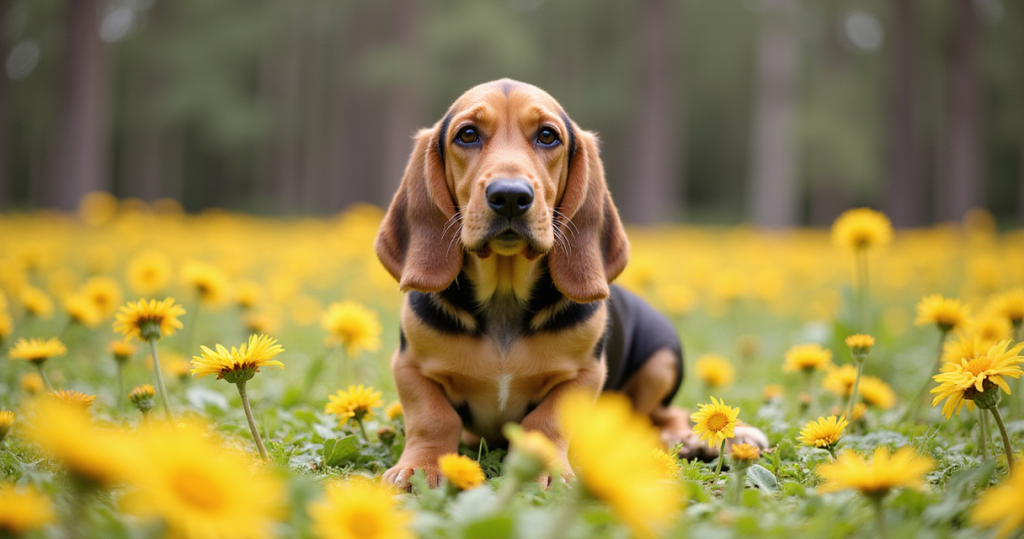
Originally bred for hunting small game like rabbits and hares in dense undergrowth, their low stature allowed them to navigate terrain that taller dogs couldn’t. Aristocrats favored them, carefully breeding them for their keen sense of smell and ability to track game at a slower pace, allowing hunters on foot to keep up. The breed’s popularity spread throughout Europe and eventually across the Atlantic to America. Over time, they transitioned from working dogs to beloved family pets. It’s fascinating how a dog bred for a specific hunting purpose has become a symbol of laid-back companionship.
4. Physical Characteristics: More Than Just Droopy Ears
Basset Hounds are easily recognized by their distinctive features:
- Size: They are medium-sized dogs, but their heavy bone structure makes them surprisingly weighty.
- Coat: Short, smooth, and dense, typically in combinations of black, tan, and white.
- Ears: Long, velvety, and droopy – a hallmark of the breed.
- Legs: Short and bowed, giving them a unique waddling gait.
- Eyes: Deep-set, soulful, and often with a sad expression.
- Skin: Loose and wrinkly, especially around the face.

Their physical traits aren’t just for show. Their long ears help to stir up scents from the ground while hunting, and their loose skin helps protect them from brambles and thorns. However, these features also require specific care, as we will discuss later.
5. Temperament and Personality: Gentle Giants with a Stubborn Streak
Basset Hounds are known for their gentle, laid-back, and good-natured personalities. They are generally good with children and other dogs, making them excellent family pets. However, they also possess a stubborn streak, a consequence of their independent hunting heritage.
Pros:
- Loyal and affectionate
- Good with children and other dogs
- Laid-back and relatively low-energy indoors
- Excellent scent hounds
Cons:
- Can be stubborn and difficult to train
- Prone to excessive barking or howling
- May wander off if not properly contained (due to their strong sense of smell)
- Shed a lot
Understanding their temperament is key to responsible ownership. They thrive on companionship but require patience and consistency in training.
6. Training and Socialisation: Patience is Key
Training a Basset Hound requires patience and consistency. Their independent nature means they are not always eager to please, and their strong sense of smell can easily distract them.
- Start early: Begin socialization and basic obedience training as early as possible.
- Use positive reinforcement: Reward-based training works best.
- Keep it short and fun: Basset Hounds have short attention spans.
- Be consistent: Use the same commands and training methods every time.
- Address specific challenges: Leash training is crucial to prevent wandering. Recall can be difficult due to their strong tracking instincts.

Common Challenges:
- Stubbornness: Don’t get discouraged. Keep training sessions short, positive, and consistent.
- Scent-driven behaviour: Be aware of their surroundings and keep them on a leash in unfenced areas.
- House training: Requires patience and a consistent schedule.
7. Exercise and Activity Needs: More Than Just Naps
While Basset Hounds are relatively low-energy indoors, they still require regular exercise to stay healthy and happy.
- Daily walks: Aim for at least 30-60 minutes of walking per day.
- Playtime: Short bursts of play in the backyard or indoors.
- Mental stimulation: Puzzle toys and scent games can help keep their minds engaged.
- Avoid strenuous exercise: Due to their body structure, avoid high-impact activities like jumping or running long distances.
Suggested Activities:
- Sniffing walks: Let them follow their nose and explore their surroundings.
- Scent tracking games: Hide treats or toys and let them use their sense of smell to find them.
- Short, leisurely hikes: On flat, even terrain.
8. Nutrition and Dietary Needs: Preventing Obesity
Basset Hounds are prone to obesity, so it’s crucial to feed them a balanced diet and monitor their weight.
- Choose a high-quality dog food: Specifically formulated for medium-sized breeds.
- Control portion sizes: Follow the feeding guidelines on the food packaging, but adjust as needed based on your dog’s activity level and weight.
- Avoid overfeeding: Resist those soulful eyes!
- Limit treats: Use healthy treats sparingly.
- Monitor weight: Regularly check your dog’s weight and adjust their diet accordingly.
Recommended Feeding Schedule:
- Puppies: Three to four meals per day.
- Adults: Two meals per day.
- Seniors: Two meals per day, possibly with a senior-specific formula.
9. Grooming and Coat Care: Managing the Drool and Shedding
Basset Hounds have a short, smooth coat that requires moderate grooming.
- Brushing: Brush them weekly to remove loose hair and prevent matting.
- Ear cleaning: Clean their ears regularly (at least once a week) to prevent infections. Their long, droopy ears trap moisture and debris, making them prone to ear problems.
- Nail trimming: Trim their nails regularly to prevent overgrowth and discomfort.
- Wrinkle care: Clean the wrinkles around their face regularly to prevent skin infections.
- Bathing: Bathe them as needed, usually every few months.

10. Common Health Issues: Awareness is Key
Basset Hounds are prone to certain health issues:
- Ear infections: Due to their long, droopy ears.
- Glaucoma: An eye condition that can lead to blindness.
- Hip and elbow dysplasia: Joint conditions that can cause pain and lameness.
- Gastric torsion (bloat): A life-threatening condition where the stomach twists.
- Obesity: Due to their tendency to overeat and their relatively low activity level.
- Intervertebral Disc Disease (IVDD): Can cause pain and paralysis due to their long back.

Preventative Care Tips:
- Regular vet check-ups: Early detection and treatment of health problems.
- Proper diet and exercise: Maintaining a healthy weight can prevent many health issues.
- Ear cleaning: Regular ear cleaning can prevent ear infections.
- Eye exams: Regular eye exams can detect glaucoma early.
- Genetic testing: If possible, choose a breeder who screens for common genetic conditions.
11. Fun Facts: Basset Hound Trivia
- Basset Hounds are excellent scent hounds, second only to the Bloodhound in their ability to track scents.
- Elvis Presley owned a Basset Hound named Sherlock.
- The Basset Hound is the 14th most popular dog breed in the United States.
- They have an average of 230 million scent receptors, compared to humans who have around 5 million.
- The Basset Hound’s mournful howl is called a “bay.”
12. Is a Basset Hound Right for You? A Candid Assessment
Basset Hounds are not for everyone. They are best suited for owners who:
- Are patient and consistent with training
- Can provide regular exercise and mental stimulation
- Are willing to deal with shedding and drool
- Are home often and can provide plenty of companionship
- Are prepared for the potential health issues associated with the breed
They may not be the best choice for:
- Very active people who want a dog to accompany them on strenuous activities
- People who are easily frustrated with training
- People who are not prepared to deal with potential health issues and vet bills
13. FAQs: Addressing Common Concerns
How much exercise does a Basset Hound need?
At least 30-60 minutes of walking per day.
Are Basset Hounds good with kids?
Yes, they are generally good with children.
Do Basset Hounds shed a lot?
Yes, they shed moderately.
Are Basset Hounds easy to train?
No, they can be stubborn and require patience and consistency.
How long do Basset Hounds live?
10-12 years.
Are Basset Hounds prone to barking?
Yes, they can be vocal and prone to barking or howling.
14. Conclusion: A Legacy of Loyalty and Charm
The Basset Hound, with its distinctive appearance and gentle nature, is a truly unique breed. From its aristocratic hunting origins to its current role as a beloved family pet, the Basset Hound has captured the hearts of dog lovers around the world. While they require specific care and training, the rewards of owning a Basset Hound – loyalty, affection, and endless entertainment – are well worth the effort.
Do you have a Basset Hound? Share your stories and tips in the comments below! What is your favourite thing about your Basset Hound.

At Pet Care Community, our team of passionate pet lovers, writers, and veterinary-approved experts share reliable tips, guides, and resources to help you give your furry friends the happiest and healthiest life possible. From dog breeds and training advice to nutrition, wellness, and pet parenting hacks, we’re here to support every step of your journey as a pet parent.