

With their almost human-like expressions and charming personalities, Brussels Griffons are the comedians of the canine world, guaranteed to bring joy and laughter into your home.
This article dives into the fascinating history of the Brussels Griffon, offers practical advice on their care and training, unveils common health issues and how to prevent them, and helps you decide if this unique breed is the right fit for your lifestyle.
Curious if a Brussels Griffon is your perfect comedic companion? Read on to find out!
Quick Overview
| Attribute | Details |
|---|---|
| Breed Name | Brussels Griffon |
| Origin | Belgium |
| Size | Small (7-12 pounds) |
| Life Expectancy | 12-15 years |
| Coat Type | Rough or Smooth |
| Temperament | Affectionate, Alert, Curious, Sensitive, Lively |
| Training | Requires patience and consistency; can be stubborn |
| Exercise Needs | Moderate; Daily walks and playtime |
| Grooming | Varies depending on coat type; regular brushing |
| Health | Prone to certain genetic conditions (e.g., Syringomyelia, Progressive Retinal Atrophy, Cataracts) |
| Best Suited For | Apartment living, families with older children, owners who can provide consistent training |
History and Origin
Where It All Began: The Cobblestone Streets of Brussels
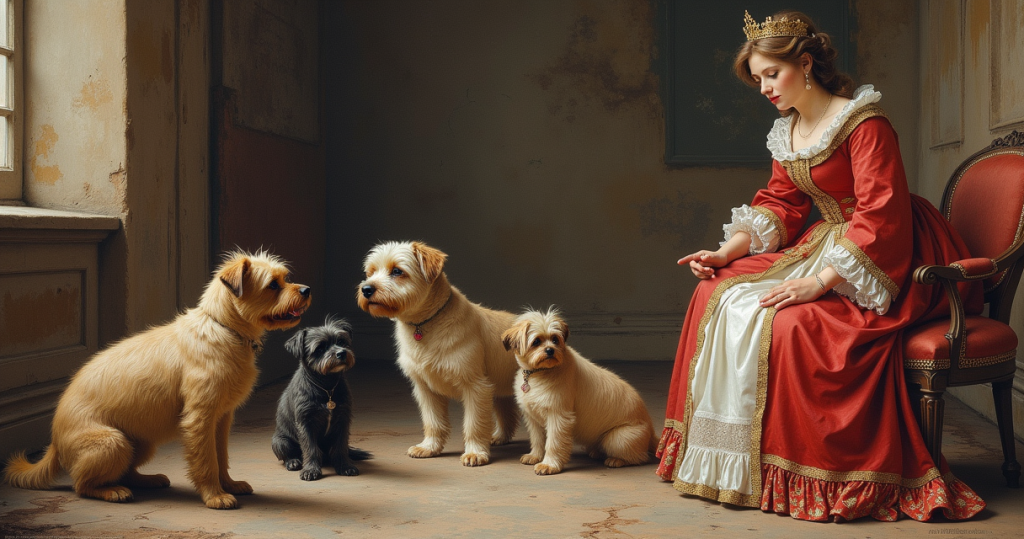
The Brussels Griffon’s story begins in 19th-century Belgium, specifically in Brussels. Their ancestors were small, rough-coated terrier-like dogs called “Smousje,” used to keep stables free of rodents. These dogs were then crossed with Affenpinschers, Pugs, and English Toy Spaniels, ultimately creating the breed we know today. These breed crosses gave the Brussels Griffon its unique appearance and personality. They quickly became popular with the working class, then gaining favour among Belgian royalty, particularly Queen Marie Henriette. This royal patronage catapulted the breed to international fame. Their popularity surged, leading to widespread breeding and export, mainly to England and America. The breed faced near extinction during both World Wars but was saved by dedicated breeders.
Physical Characteristics
What Makes a Griffon a Griffon? The Trademark Face and More
Brussels Griffons are small, sturdy dogs typically weighing between 7 and 12 pounds. Their most defining feature is their almost human-like face, with large, dark eyes, a short, upturned nose, and a distinctive beard and mustache. They come in two coat types: rough and smooth. Rough-coated Griffons have a wiry, dense coat, while smooth-coated Griffons (often referred to as “Petit Brabancons”) have a short, glossy coat. Acceptable coat colours include red, black, black and tan, and belge (a mixture of black and reddish-brown). The breed is known for its cobby body structure, level topline, and high-set tail. Cropping the tail was historically common but is now banned in many countries.
Temperament and Personality
What’s Their True Nature? A Blend of Terrier Tenacity and Toy Dog Charm
Brussels Griffons are known for their big personalities packed into a small body. They are intelligent, affectionate, and intensely loyal to their families. They can be sensitive and thrive on human companionship. While generally good-natured, they can be somewhat stubborn during training, requiring patience and consistency. They are also alert and make excellent watchdogs, though their barking can be excessive if not properly managed. Some can be wary of strangers or other animals if not properly socialized from a young age. They are playful and enjoy interactive games and toys.
Pros:
- Affectionate and loyal companions
- Intelligent and quick learners (with patience)
- Good watchdogs
- Adaptable to apartment living
Cons:
- Can be stubborn during training
- May be prone to excessive barking
- Require consistent socialization to prevent shyness or aggression
Training and Socialisation
Raising a Well-Behaved Brussels Griffon: Patience is Key!
Training a Brussels Griffon requires patience, consistency, and positive reinforcement. They are intelligent but can be independent thinkers, making them less eager to please than some other breeds. Start training early with basic obedience commands such as “sit,” “stay,” and “come.” Use reward-based methods, such as treats and praise, to motivate them. Housebreaking can be challenging, so crate training is highly recommended. Socialization is crucial to prevent shyness or aggression towards strangers or other animals. Expose your Griffon to a variety of sights, sounds, people, and other dogs from a young age. Attend puppy classes or arrange playdates with well-behaved dogs. Address any behavioural issues, such as barking or resource guarding, early on with professional training if needed.
Exercise and Activity Needs
Keeping Them Active and Happy: More Than Just Lap Warmers!
Brussels Griffons are moderately active dogs that need daily exercise to stay happy and healthy. While they are small and can adapt to apartment living, they still need regular walks and playtime. Aim for at least 30 minutes of moderate exercise per day. This could include a brisk walk, a play session in the park, or interactive games indoors. They enjoy puzzle toys and activities that challenge their minds. Be mindful of their small size and avoid strenuous activities that could strain their joints. Ensure they have plenty of opportunities to socialize and interact with other dogs.
Nutrition and Dietary Needs
Feeding Your Brussels Griffon Right: Small Dog, Big Appetite!
Brussels Griffons need a high-quality dog food formulated for small breeds. Choose a food with a good source of protein as the primary ingredient. Follow the feeding guidelines on the food packaging, adjusting the portion size based on your dog’s age, weight, activity level, and metabolism. Avoid overfeeding, as obesity can lead to health problems. Feed your Griffon two small meals per day rather than one large meal to prevent bloat. Always provide fresh, clean water. Be cautious with treats, as they can quickly add up calories. Choose healthy treat options and offer them in moderation. Consult with your veterinarian for specific dietary recommendations.
Grooming and Coat Care
Caring for Their Signature Look: From Beard to Body!
Grooming needs vary depending on the coat type. Rough-coated Brussels Griffons require more maintenance than smooth-coated ones.
- Rough-coated: Should be hand-stripped a few times a year to remove dead hair and maintain the wiry texture. Regular brushing (2-3 times per week) is also necessary to prevent matting.
- Smooth-coated: Need less grooming. Regular brushing (once a week) is sufficient to remove loose hair.
Both coat types benefit from occasional baths (every few months or as needed). Clean their ears regularly to prevent infections. Trim their nails every few weeks. Pay special attention to cleaning the wrinkles around their face to prevent skin irritation.

Common Health Issues
Staying Healthy and Happy: Knowing the Potential Problems
Brussels Griffons are generally healthy, but like all breeds, they are prone to certain genetic conditions.
Common health concerns include:
- Syringomyelia (SM): A condition where fluid-filled cavities develop within the spinal cord.
- Progressive Retinal Atrophy (PRA): A degenerative eye disease that can lead to blindness.
- Cataracts: Clouding of the lens of the eye.
- Hip Dysplasia: A malformation of the hip joint.
- Patellar Luxation: A condition where the kneecap dislocates.
- Brachycephalic Obstructive Airway Syndrome (BOAS): Breathing difficulties due to their shortened muzzle (more common in Griffons with extremely short noses).
Preventative care tips:
- Choose a reputable breeder who screens their dogs for genetic health problems.
- Schedule regular vet check-ups.
- Maintain a healthy weight.
- Provide regular exercise.
- Feed a high-quality diet.
Fun Facts
Did You Know? Griffons are Movie Stars!
- A Brussels Griffon named Jill played Verdell in the movie “As Good as It Gets.”
- They were initially bred to hunt rats in stables.
- Their almost human-like expressions are due to their unique facial structure.
- The brussels griffon is a very sensitive dog, thus scolding it is not advised
Is a Brussels Griffon Right for You?
Who’s the Perfect Match? Are You Griffon-Material?
Brussels Griffons are best suited for owners who:
- Can provide consistent training and socialization.
- Are willing to spend time grooming them (especially rough-coated Griffons).
- Can provide a loving and attentive home.
- Appreciate their quirky personalities and humorous antics.
- Are prepared for a dog that can be somewhat vocal.
- They make good dogs for people in apartments or small houses due to their small stature and low exercise needs. However, you will need to be able to dedicate your time for socializing it with strangers and other dogs.

FAQs
Common Questions About Brussels Griffons
- How much exercise does a Brussels Griffon need?A: At least 30 minutes of moderate exercise per day.
- Are they good with kids?A: They can be good with older, respectful children who understand how to handle small dogs gently. They may not be suitable for very young children.
- Do they shed a lot?A: Both coat types shed minimally, but rough-coated Griffons need regular hand-stripping to manage their coat.
Conclusion
The Brussels Griffon is a unique and charming breed that offers companionship and entertainment in equal measure. With their almost human-like faces, playful personalities, and unwavering loyalty, they make wonderful pets for the right owner. Remember to provide them with consistent training, proper socialization, and regular grooming, and you’ll enjoy many years of laughter and love with your Griffon companion.
Have a Brussels Griffon? Share your story in the comments below! Or, if you’re considering adding one to your family, tell us what attracts you most to this adorable breed!

At Pet Care Community, our team of passionate pet lovers, writers, and veterinary-approved experts share reliable tips, guides, and resources to help you give your furry friends the happiest and healthiest life possible. From dog breeds and training advice to nutrition, wellness, and pet parenting hacks, we’re here to support every step of your journey as a pet parent.