

The Maltese is one of Australia’s favourite toy breeds, a small, elegant, and affectionate companion adored for its silky white coat and gentle personality. Beneath its glamorous look is a lively, intelligent little dog that thrives on human companionship.
Whether you live in a city apartment or a quiet coastal town, this guide covers everything you need to know about Maltese dogs from history and temperament to grooming, health, and training backed by Australian breed standards and veterinary advice.
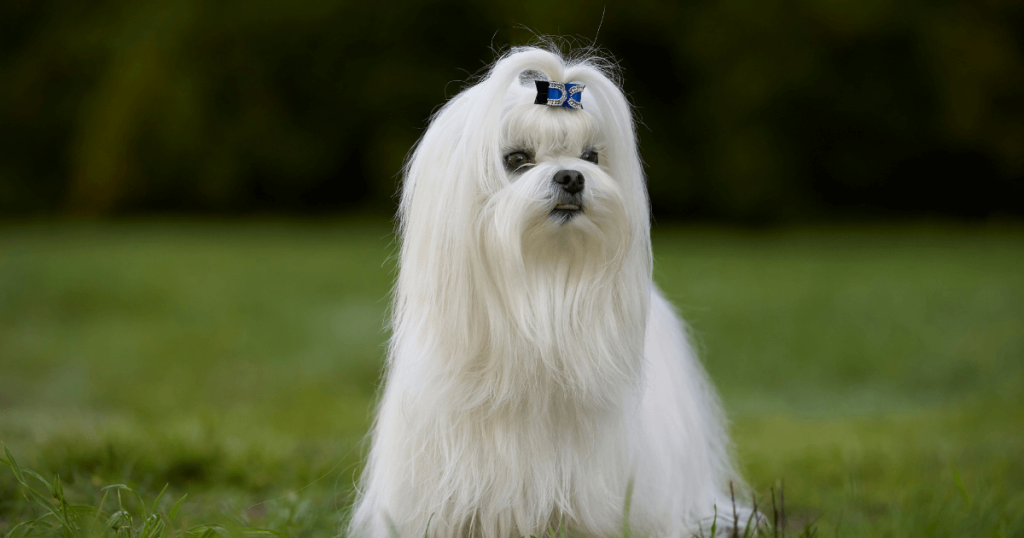
Maltese Dog Breed Summary
| Trait | Details |
| Breed Name | Maltese |
| Other Names | Maltese Terrier, “The Maltese” |
| Origin | Malta (Mediterranean region) |
| Group | Toy / Companion |
| Size | Small |
| Height | 20 – 25 cm |
| Weight | 3 – 4 kg |
| Coat Type | Long, silky, single-layer coat (low-shedding) |
| Coat Colour | Pure white (may have light ivory tone) |
| Lifespan | 12 – 15 years |
| Temperament | Affectionate, playful, intelligent, gentle, loyal |
| Exercise Needs | Low to moderate – 20–30 minutes of daily walks and play |
| Grooming Needs | High – daily brushing, regular bathing, tear-stain care |
| Trainability | Easy – responds well to positive reinforcement |
| Good With | Families, children (gentle), seniors, other pets |
| Common Health Issues | Dental disease, luxating patella, collapsed trachea, PRA, hypoglycaemia |
| Ideal Living Environment | Indoor homes or apartments; moderate climates |
| Average Puppy Cost (Australia) | AUD 2,000 – 4,000 |
| Recognised By | Dogs Australia, Dogs NSW |
| Best For | Apartment dwellers, retirees, first-time dog owners seeking companionship |
Breed History and Origin
The Maltese is one of the world’s oldest toy breeds, with ancestry dating back nearly 3,000 years. Originating from the island of Malta, these dogs were prized by aristocrats and royals for their affectionate nature and graceful appearance.
By the 1800s, British breeders refined the Maltese into the small, white-coated companion we know today. In Australia, the breed quickly became popular thanks to its adaptability to indoor living and loyal temperament.
Source: Dogs NSW
Appearance and Size
| Trait | Details |
| Height | 20 – 25 cm |
| Weight | 3 – 4 kg |
| Coat | Long, straight, silky, single coat |
| Colour | Pure white (may have light ivory tone) |
| Lifespan | 12 – 15 years |
| Group | Toy / Companion |
| Origin | Malta (Mediterranean) |
Fun fact: Although Maltese are small, they carry themselves with an air of confidence — their jaunty stride is a hallmark of the breed.
Temperament and Personality
Maltese dogs are affectionate, playful, and intelligent. They bond closely with their families and love attention.
- Loving Companions: Thrive on human interaction — they’re happiest sitting on your lap or following you from room to room.
- Smart but Sensitive: Quick learners but dislike harsh tones — gentle training works best.
- Alert Watchdogs: Despite their size, they’ll bark to alert you of strangers.
- Good with Kids & Pets: Suitable for gentle children and calm households.
Compare with other small, affectionate breeds like the Cavoodle or Shih Tzu.

Grooming and Care
Coat Maintenance
- Daily brushing prevents tangles and matting.
- Bath every 2–3 weeks with a mild dog shampoo.
- Regularly clean the eye area to prevent tear stains.
- Trim nails and check ears weekly for wax build-up.
- Many owners prefer a “puppy cut” to reduce daily brushing.
Similar grooming routines are shared by breeds like the Australian Silky Terrier and Bichon Frise.
Dental & General Care
Maltese are prone to dental disease — brush teeth several times per week and use dental chews.
Feed a high-quality small-breed diet and maintain consistent portion control to prevent obesity.
Source: Australian Veterinary Association
Exercise and Training
Although small, Maltese dogs are energetic indoors and need 20–30 minutes of daily exercise — short walks and gentle playtime are perfect.
They are highly trainable, excelling in obedience and agility. Use positive reinforcement and keep sessions short to hold their attention.
If you enjoy training clever breeds, you’ll also love the Border Collie or Australian Shepherd.

Common Health Issues
| Condition | Description / Risk | Prevention |
| Dental Disease | Plaque and gum infection | Regular brushing, dental treats |
| Luxating Patella | Loose kneecap causing limping | Vet checks, maintain healthy weight |
| Collapsed Trachea | Airway weakness, coughing | Use harness instead of collar |
| White Dog Shaker Syndrome | Neurological tremors | Vet treatment, medication |
| Progressive Retinal Atrophy (PRA) | Vision deterioration | Annual eye screening |
| Hypoglycaemia (Puppies) | Low blood sugar | Small, frequent meals |
Source: RSPCA Australia
Pros and Cons of a Maltese
| Pros | Cons |
| Affectionate and loyal companion | High grooming needs |
| Ideal for apartments and small spaces | Can suffer separation anxiety |
| Low-shedding / hypoallergenic coat | Fragile around small children |
| Intelligent and responsive | May bark frequently if bored |
FAQs about Maltese Dog Breed
Is Maltese a high-maintenance dog?
Yes, they need regular grooming and daily attention but are low-maintenance in exercise and feeding.
Is a Maltese a good dog breed?
Absolutely. They’re affectionate, social, and adaptable — perfect for families and retirees.
Why are Maltese so special?
They’re one of the oldest companion breeds, valued for their loving temperament and luxurious white coat.
Why is Maltese so expensive?
Ethical breeders invest in health testing, grooming, and bloodline maintenance, which increases cost.
How much do Maltese dogs cost in Australia?
Between AUD 2,000 – 4,000, depending on pedigree, breeder reputation, and location.
What are the cons of a Maltese dog?
Grooming demands, potential separation anxiety, and sensitivity to rough play.
Can Maltese be left alone for 8 hours?
No, prolonged isolation can cause stress and destructive behaviour.
Are Maltese hard to potty train?
They can be slower than larger breeds. Consistency and crate training help.
Which is better: Maltese or Shih Tzu?
Maltese are lighter and slightly more energetic; Shih Tzus are sturdier and calmer both make loving pets.
Do Maltese dogs sleep a lot?
Yes, adults sleep 12–14 hours a day, puppies even longer.
What are common Maltese behaviour problems?
Excessive barking, clinginess, and separation anxiety if under-stimulated.
Do Maltese need walks?
Yes, one or two short daily walks help maintain fitness and prevent boredom.
How long can Maltese dogs hold their pee?
Adults can hold it for about 6 hours; puppies much less.
How long can my Maltese live?
Typically 12–15 years with proper care.
Can a Maltese be left outside?
No, their coat isn’t weather-proof, and they’re strictly indoor dogs.
Do Maltese pick a favourite person?
Yes, they often form a special bond with one primary caregiver.
Do Maltese dogs like to cuddle?
Absolutely, they’re affectionate “lap dogs” who thrive on physical closeness.

Is a Maltese Right for You?
Maltese dogs suit people who want a loving, indoor companion and don’t mind daily grooming.
They’re perfect for:
- Apartment or city living
- Retirees or home-based workers
- Families with older children
They may not suit:
- Owners away from home all day
- Families with rough-playing toddlers
Considering similar breeds? Explore:
- Chihuahua – compact and alert
- Bichon Frise – cheerful and curly-coated
- Pomeranian – fluffy, alert, and full of personality
Helpful Tools for Maltese Owners
- Pet Symptom Checker: Check any signs of illness early.
- Pet Name Generator: Find the perfect name for your Maltese puppy.
- Write for Us: Share your Maltese story or tips with our community.
- Contact Us: Need personalised advice? Get in touch with our team.
Final Thoughts
The Maltese proves that great things come in small packages. With its loving heart, joyful spirit, and luxurious coat, this breed is a true companion for anyone seeking constant affection and loyalty.
Provide them with gentle care, daily brushing, and plenty of love — and your Maltese will reward you with years of devotion and cuddles.

At Pet Care Community, our team of passionate pet lovers, writers, and veterinary-approved experts share reliable tips, guides, and resources to help you give your furry friends the happiest and healthiest life possible. From dog breeds and training advice to nutrition, wellness, and pet parenting hacks, we’re here to support every step of your journey as a pet parent.