

1. Introduction
Intrigued by the Maremma’s noble spirit? Read on to discover everything you need to know!
2. Quick Overview
| Trait | Details |
|---|---|
| Breed Name | Maremma Sheepdog |
| Other Names | Italian Maremma, Abruzzese Sheepdog |
| Origin | Italy |
| Group | Herding (Livestock Guardian Dog) |
| Size | Large |
| Height | 60–73 cm |
| Weight | 30–45 kg |
| Coat Type | Dense, double coat |
| Coat Colour | White (sometimes pale cream or yellow tinge) |
| Lifespan | 12–14 years |
| Temperament | Loyal, protective, intelligent, independent |
| Exercise Needs | Moderate to high – 60–90 minutes daily |
| Grooming Needs | Moderate – regular brushing and seasonal shedding |
| Trainability | Independent, requires consistent training |
| Good With | Livestock, families with experience, working homes |
| Common Health Issues | Hip dysplasia, progressive retinal atrophy (PRA), bloat |
| Ideal Living Environment | Rural or large property with space to roam |
| Average Puppy Cost (Australia) | AUD 1,500 – 2,500 |
| Recognised By | Dogs Australia |
| Best For | Working environments, experienced dog owners, rural properties |
3. History and Origin
Where the Legend Began: Forged in the Italian Hills
The Maremma Sheepdog boasts a history as rugged as the landscapes it calls home. For centuries, these dogs have guarded flocks of sheep in the Maremma and Abruzzo regions of Italy. Maremma breed history and origin is fascinating, tracing back to ancient Roman livestock guardian dogs. Their white coat wasn’t just for show; it allowed shepherds to easily distinguish them from wolves at dusk and dawn. This crucial adaptation cemented their role as protectors of vulnerable livestock, a role they take incredibly seriously even today.
The breed developed through natural selection, favouring traits like intelligence, independence, and an unwavering protective instinct. They weren’t meticulously bred for looks; their form followed function, resulting in a hardy and resilient breed perfectly suited for its challenging environment. Their isolation also made them genetically pure, which is why they look so much like their ancestors.
4. Physical Characteristics
What Makes the Maremma a Majestic Giant?
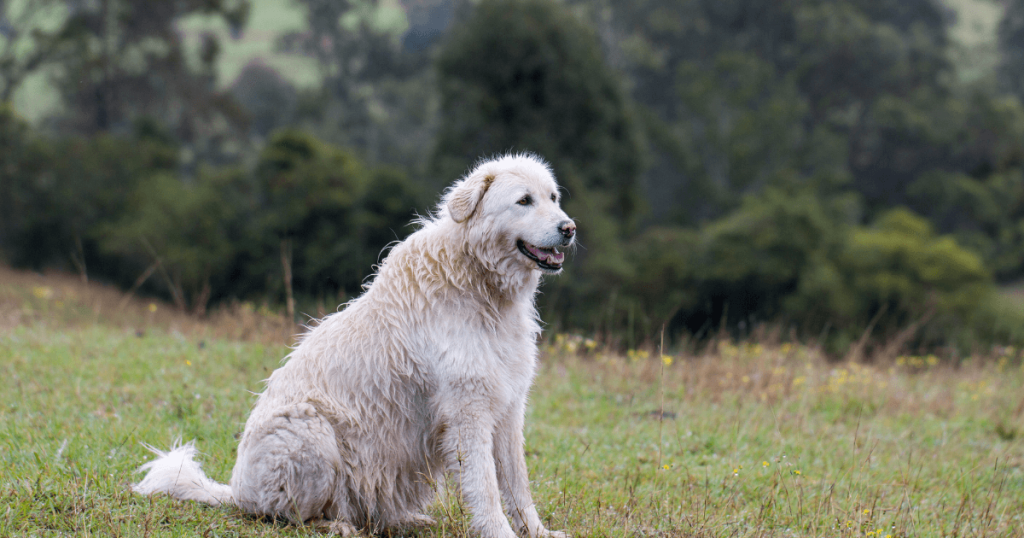
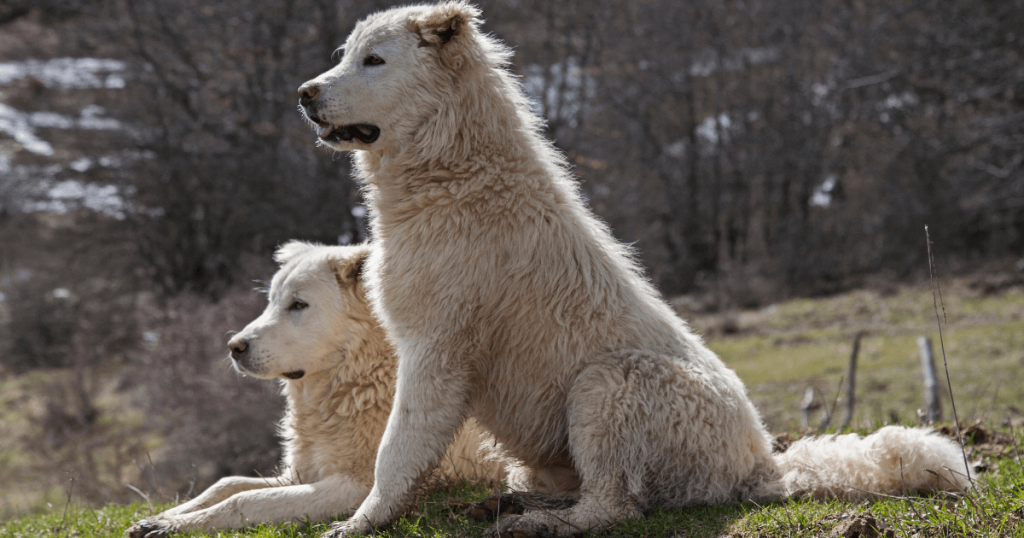
The Maremma is a large and imposing dog, instantly recognizable by its thick, white double coat. What Makes the Maremma Dog Unique Their build is muscular and powerful, reflecting their working heritage. Males are larger than females, standing up to 73 cm at the withers. The coat is designed to withstand harsh weather conditions, providing insulation against both extreme heat and cold. Their eyes are dark and intelligent, reflecting their sharp mind and unwavering focus. One key distinctive trait is their gait – a confident, purposeful stride that exudes authority.
Find the perfect name for your new dog: Pet Name Generator
The white colour is extremely important, because a dog with any other colour will not be accepted by the flock, which may result in aggression or inability to protect them.
5. Temperament and Personality
What’s Their True Nature? A Guardian’s Heart
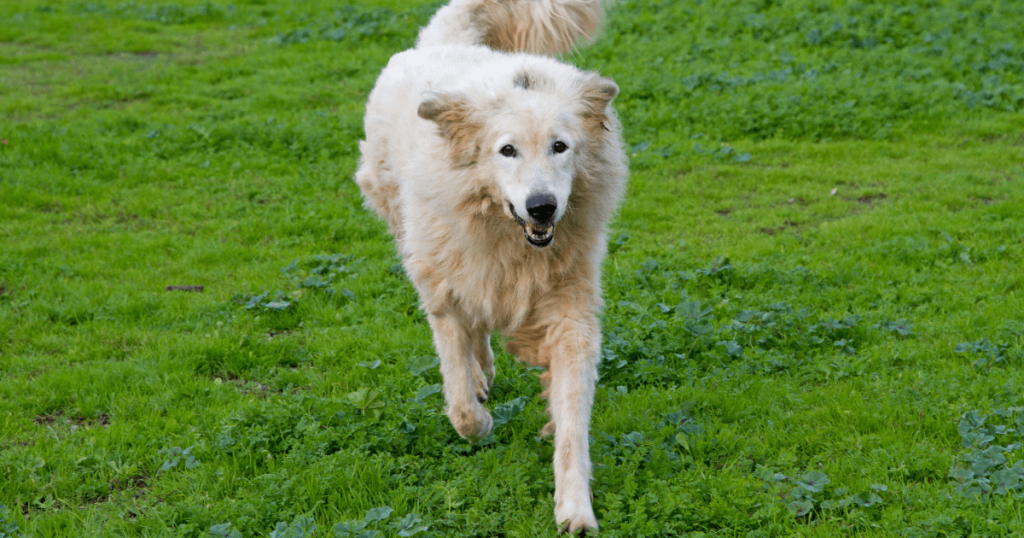
The Maremma’s temperament is shaped by its centuries-old purpose. They are fiercely loyal to their flock (whether that’s sheep, goats, or their human family) and highly protective. While independent and intelligent, they aren’t necessarily eager to please in the same way as a Labrador or Golden Retriever. They are more reserved and thoughtful, assessing situations before reacting. What’s Their True Nature They have a natural suspicion of strangers, which makes them excellent watchdogs.
Pros:
- Loyal and protective of their family/flock
- Intelligent and capable of independent decision-making
- Relatively low-maintenance in terms of affection seeking (compared to some breeds)
- Excellent watchdogs
Cons:
- Independent and can be stubborn during training
- Strong protective instincts can lead to territorial behaviour
- Requires significant socialization to prevent aggression towards strangers
- Not suitable for apartment living
6. Training and Socialisation
Raising a Well-Behaved Maremma: A Test of Patience
Training a Maremma requires a firm, consistent, and patient hand. Raising a Well-Behaved Maremma They are intelligent, but their independence can make them challenging to train. Early socialization is absolutely crucial. Expose them to a wide variety of people, places, and situations from a young age to prevent fear-based aggression. Positive reinforcement methods work best, but be prepared to adapt your approach to their individual personality.
A strong recall command is essential for their safety and the safety of others. Due to their protective instincts, they may perceive unfamiliar animals or people as a threat. Training should focus on teaching them to differentiate between genuine threats and harmless encounters. Because they are so independent, letting them off the leash is not advisable.
7. Exercise and Activity Needs
Keeping Them Active and Happy: The Need for Space
Maremmas are not high-energy in the same way as some herding breeds, but they do require regular exercise and mental stimulation. Keeping Them Active and Happy They thrive in environments where they have a “job” to do, whether that’s guarding livestock or simply patrolling a large yard. Daily walks are essential, but they also benefit from opportunities to run and explore in a safe, enclosed area.
Suggested activities:
- Guardian Work: Supervising livestock
- Long walks with opportunities to patrol
- Playing fetch in a large, secure yard
- Mental stimulation games, such as puzzle toys
8. Nutrition and Dietary Needs
Feeding Your Maremma Right: Fueling the Guardian
Maremmas require a high-quality dog food that is appropriate for their age, size, and activity level. Feeding Your Maremma Right They are prone to bloat (gastric torsion), so it’s important to feed them smaller, more frequent meals and avoid strenuous exercise immediately before or after eating.
Puppies require a diet specifically formulated for large-breed dogs to ensure proper bone and joint development. Adult dogs benefit from a diet that is rich in protein and moderate in fat. Senior dogs may require a diet that is lower in calories and easier to digest.
9. Grooming and Coat Care
Caring for Their Signature Look: The White Coat’s Secrets
The Maremma’s thick, white double coat requires regular grooming to prevent matting and shedding. Caring for Their Signature Look They shed heavily twice a year, so be prepared for a significant increase in brushing during those periods. Regular brushing (several times a week) with a slicker brush and undercoat rake is essential. Bathing should only be done when necessary, as frequent bathing can strip the coat of its natural oils.
10. Common Health Issues
Staying Healthy and Happy: Knowing the Risks
Like all breeds, Maremmas are prone to certain health issues. Common health issues in Maremma dogs and prevention include:
- Hip and Elbow Dysplasia: A malformation of the hip or elbow joint, which can lead to arthritis.
- Bloat (Gastric Torsion): A life-threatening condition in which the stomach twists.
- Progressive Retinal Atrophy (PRA): An eye disease that can lead to blindness.
Preventative care includes regular vet check-ups, a healthy diet, appropriate exercise, and genetic testing for inherited conditions. Early detection and treatment are key to managing these health issues.
Spot early signs of back pain or illness: Pet Symptom Checker
11. Fun Facts
Did You Know? Maremma Trivia
- Maremmas have been used in Australia to protect penguins from foxes.
- They are known for their distinctive bark, which is a deep, booming sound.
- Maremmas have a strong sense of smell, which helps them detect predators.
12. Is a Maremma Right for You?
Who’s the Perfect Match? The Ideal Owner
The Maremma is not the right breed for everyone. They are best suited for experienced dog owners who:
- Have a large property with plenty of space to roam
- Are willing to provide consistent training and socialization
- Understand their independent nature
- Can provide them with a “job” to do
They are perfect for families seeking a loyal protector or individuals with livestock that need guarding.
13. FAQs
Common Questions About Maremmas
- How much exercise does a Maremma need?
- At least one to two hours of daily exercise, including walks and opportunities to roam in a secure area.
- Are they good with kids?
- With proper socialization, they can be good with children, but they are naturally protective and may not tolerate rough play.
- Do they shed a lot?
- Yes, they shed moderately year-round and heavily during shedding seasons (twice a year).
14. Conclusion
The Maremma Sheepdog is a magnificent breed with a rich history and a unique temperament. While they may not be the right fit for every home, for the right owner, they offer unwavering loyalty, unparalleled protection, and a connection to centuries of pastoral tradition.
Do you have a Maremma Sheepdog? Share your experiences in the comments below! Or, check out our other articles on livestock guardian breeds.

At Pet Care Community, our team of passionate pet lovers, writers, and veterinary-approved experts share reliable tips, guides, and resources to help you give your furry friends the happiest and healthiest life possible. From dog breeds and training advice to nutrition, wellness, and pet parenting hacks, we’re here to support every step of your journey as a pet parent.