

Small in size but bursting with personality, the Miniature Dachshund is one of Australia’s most beloved companion dogs. Known for its long body, short legs, and lively spirit, this breed was originally bred for hunting badgers in Germany but today, it’s best known as a charming, loyal household pet.
This guide explores the Miniature Dachshund’s history, personality, grooming, health, and training, including answers to Australia’s most-asked Dachshund questions.
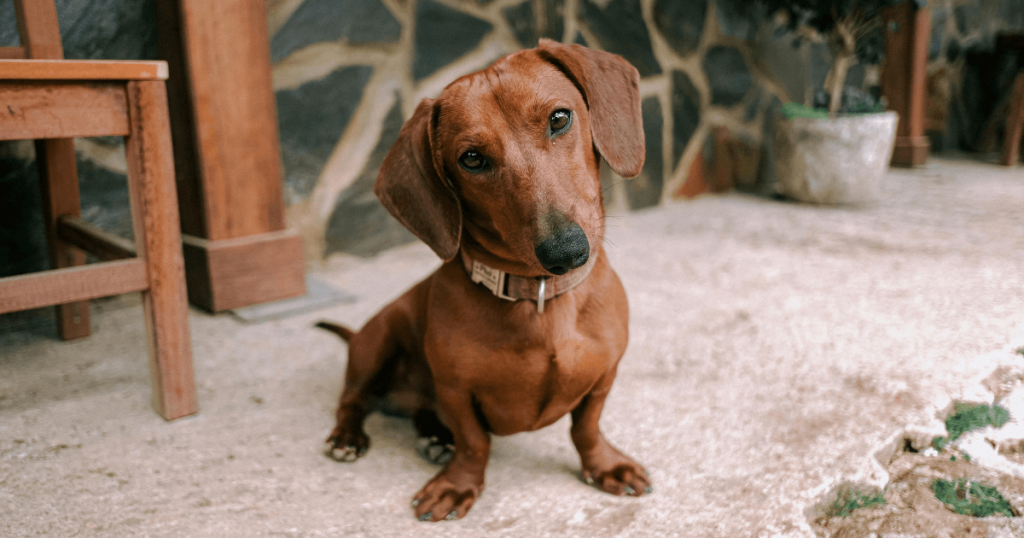
Miniature Dachshund Breed Summary
Trait | Details |
Breed Name | Miniature Dachshund |
Other Names | Mini Daxie, Mini Sausage Dog |
Origin | Germany |
Group | Hound Group |
Size | Small / Compact |
Height | 13 – 18 cm |
Weight | Up to 5 kg |
Coat Types | Smooth, Long-haired, or Wire-haired |
Colours | Red, black & tan, chocolate, cream, dapple |
Lifespan | 12 – 16 years |
Temperament | Brave, loyal, curious, playful, alert |
Exercise Needs | Moderate – 30 to 45 minutes daily |
Grooming Needs | Low–Moderate depending on coat type |
Trainability | Intelligent but independent |
Good With | Singles, couples, older children |
Common Health Issues | Intervertebral disc disease (IVDD), obesity, dental disease |
Ideal Living Environment | Indoor homes or apartments with daily walks |
Average Puppy Cost (Australia) | AUD 2,500 – 4,500 |
Recognised By | Dogs Australia |
Best For | Apartment owners, small families, devoted companions |
Breed History and Origin
The Dachshund (meaning “badger dog” in German) originated in 17th-century Germany as a small hunting dog used to dig into burrows and flush out badgers and rabbits.
The Miniature Dachshund was later developed to hunt smaller game, combining the same courage and tenacity in a more compact size.
Today, Australian breeders have preserved the Mini Dachshund’s classic traits intelligence, affection, and bold personality while promoting responsible breeding to reduce spinal issues like IVDD.
Source: Dogs NSW
Temperament and Personality
Mini Dachshunds may be small, but they think big. They’re curious, courageous, and full of attitude.
- Loyal Companions: Strongly bond with one or two family members.
- Playful & Alert: Enjoy games and make excellent watchdogs.
- Independent Thinkers: Intelligent but can be stubborn during training.
- Affectionate: Love to cuddle and stay close to their humans.
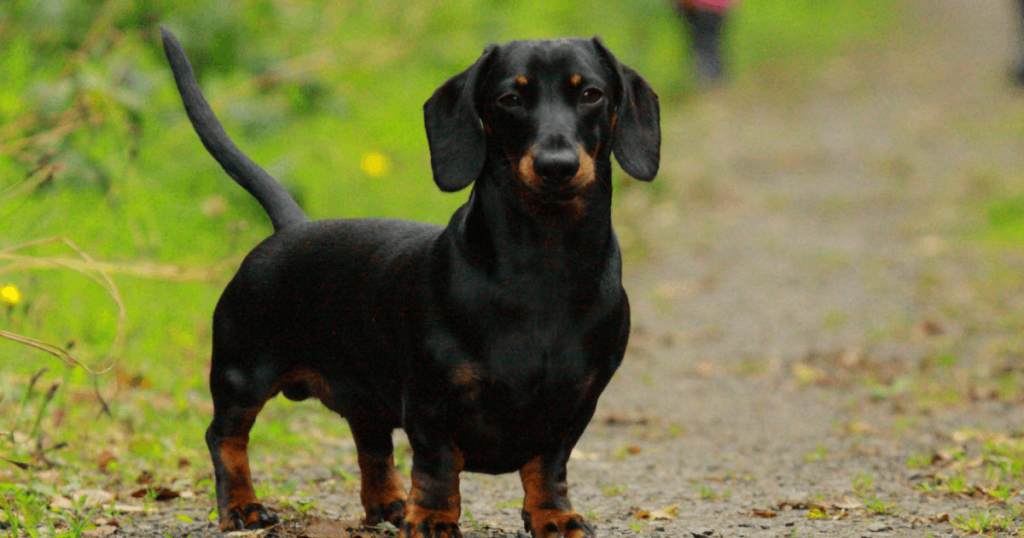
If you adore spirited small dogs, you may also enjoy the Jack Russell Terrier or Chihuahua.
Grooming & Coat Care
Grooming varies by coat type:
- Smooth-haired: Low maintenance brush weekly, bathe occasionally.
- Long-haired: Brush 2–3 times weekly to prevent tangles.
- Wire-haired: Needs hand-stripping several times per year.
Clean ears weekly and brush teeth regularly small breeds like Dachshunds are prone to dental problems.
Tip: Use a harness instead of a collar to protect their delicate spine just like breeds such as the French Bulldog.
Exercise & Training
Mini Dachshunds need about 30–45 minutes of daily exercise walks, sniffing games, or fetch.
They love exploring but shouldn’t climb stairs or jump off furniture to avoid spinal injuries.
Training Tips
- Start socialisation early they can be wary of strangers.
- Use positive reinforcement (treats & praise).
- Keep sessions short and fun they lose focus quickly.
- Crate training helps with house-training challenges.

Common Health Issues in Miniature Dachshunds
Condition | Description / Risk | Prevention / Management |
IVDD (Intervertebral Disc Disease) | Spinal disc injury causing pain or paralysis | Avoid jumping, keep weight stable, use ramps |
Obesity | Strains spine and joints | Portion control, regular walks |
Dental Disease | Plaque build-up common in toy breeds | Brushing, dental treats |
Heart Disease (Mitral Valve) | Senior Dachshunds may develop murmurs | Annual vet checks |
Skin Allergies | Itching or hair loss | Hypoallergenic diet, vet care |
Patellar Luxation | Loose kneecap causing limp | Vet evaluation, maintain muscle tone |
Pros & Cons of a Miniature Dachshund
Pros | Cons |
Loyal, affectionate, and cuddly | Prone to barking |
Perfect for small homes | Can be stubborn during training |
Long lifespan for size | High risk of back problems (IVDD) |
Low grooming needs (smooth coat) | Not ideal for rough play with toddlers |
FAQs about Miniature Dachshunds
Are Miniature Dachshunds good pets?
Yes, loving, loyal, and full of personality. They’re wonderful pets for singles, couples, and families with older kids.
How much is a Mini Dachshund in Australia?
Expect to pay AUD 2,500 – 4,500 from a reputable breeder; show lines or rare colours may cost more.
What are the cons of a Miniature Dachshund?
Back issues (IVDD), stubbornness, barking, and sensitivity to cold weather.
Do Mini Dachshunds bark a lot?
They can originally bred as hunters, they bark to alert. Training and mental stimulation reduce excessive barking.
What is the lifespan of a Mini Dachshund?
Typically 12 – 16 years with proper care and a healthy weight.
Do Mini Dachshunds like to cuddle?
Absolutely, they’re affectionate “lap dogs” that crave closeness and warmth.
What is the most common cause of death for Dachshunds?
IVDD complications and heart disease are the most frequent causes in older Dachshunds.
At what age do Mini Dachshunds calm down?
Usually around 2–3 years old as they mature out of the puppy phase.
Are Dachshunds hypoallergenic?
No, they do shed lightly and produce dander, so not ideal for allergy sufferers.

Is a Miniature Dachshund Right for You?
Mini Dachshunds are ideal for people wanting a small, loyal, and entertaining companion. They fit easily into apartment life but require supervision to protect their back.
Best suited for:
- Apartment dwellers
- Older families or singles
- Owners at home most of the day
Not suited for:
- Rough play environments
- Homes with steep stairs or frequent jumping
- Owners seeking a quiet, low-alert dog.
Helpful Tools for Dachshund Owners
- Pet Symptom Checker: Spot early signs of back pain or illness.
- Pet Name Generator: Find the perfect name for your new sausage dog.
- Write for Us: Share your Mini Dachshund story with our Aussie pet community.
- Contact Us: Need advice? Get in touch with our team for personalised guidance.
Related Dog Breeds You May Also Like
- Beagle – Curious, food-loving scent hound
- Jack Russell Terrier – Energetic, intelligent, fearless
- Cavalier King Charles Spaniel – Gentle and affectionate lapdog
- Chihuahua – Alert and loyal miniature companion
Final Thoughts
The Miniature Dachshund may be small, but it’s packed with courage, charm, and endless devotion.
With proper care protecting its spine, maintaining a healthy weight, and offering daily affection this little dog becomes a lifelong, loyal friend.
Give them love, structure, and play, and your Daxie will reward you with years of joy, laughter, and cuddles.

At Pet Care Community, our team of passionate pet lovers, writers, and veterinary-approved experts share reliable tips, guides, and resources to help you give your furry friends the happiest and healthiest life possible. From dog breeds and training advice to nutrition, wellness, and pet parenting hacks, we’re here to support every step of your journey as a pet parent.