

1. Introduction
With their bat-like ears and charming squished faces, French Bulldogs (or “Frenchies”) have captured hearts worldwide, becoming one of the most popular companion breeds. This article will take you through the fascinating history of the French Bulldog, provide essential care tips, address training challenges, and highlight common health concerns, so you can decide if this breed is right for you.
Thinking about welcoming a Frenchie into your life? Read on to find out!
2. Quick Overview
| Feature | Description |
|---|---|
| Breed Name | French Bulldog |
| Origin | England, then developed in France |
| Size | Small (typically 11-13 inches tall) |
| Weight | 7-13 kg |
| Lifespan | 10-12 years |
| Temperament | Playful, affectionate, intelligent, stubborn at times |
| Coat | Short, smooth |
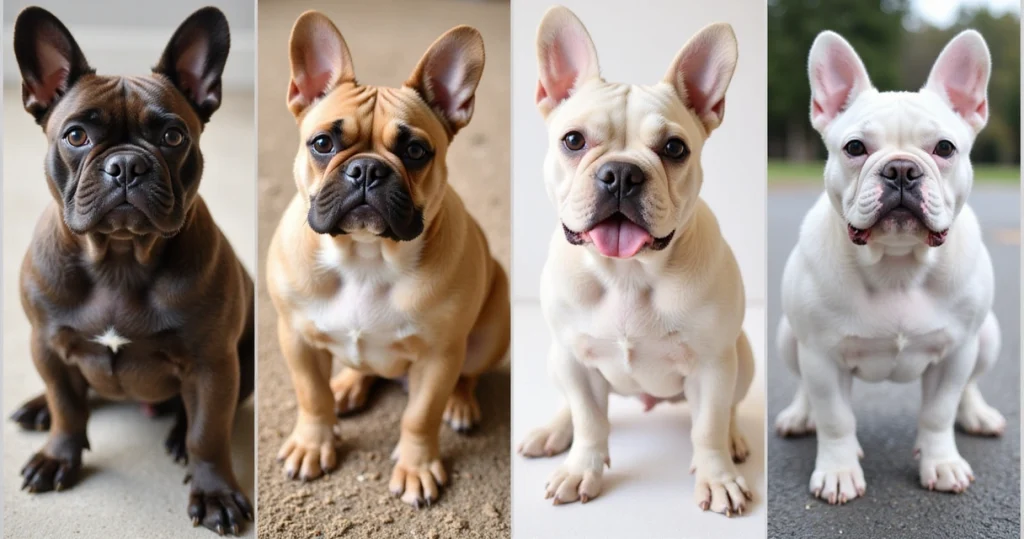
| Colour | Brindle, fawn, cream, white, and combinations of these |
| Exercise Needs | Moderate (short walks, play sessions) |
| Grooming Needs | Low (occasional brushing, wrinkle cleaning) |
| Training | Can be challenging; requires patience and positive reinforcement |
| Health Concerns | Brachycephalic Obstructive Airway Syndrome (BOAS), Intervertebral Disc Disease (IVDD), Hip Dysplasia, Allergies, Eye Problems |
| Ideal For | Apartment dwellers, families, individuals seeking a companion dog |
3. History and Origin
“From English Lace Makers to Parisian Boulevards”
The French Bulldog’s story is a charming tale of cross-cultural canine evolution. It began in England with the Toy Bulldog, a smaller version of the English Bulldog. When lace workers from Nottingham migrated to France in the mid-19th century, they brought their Toy Bulldogs with them.
In France, these small bulldogs became incredibly popular, especially among artists, writers, and fashionable Parisian society. Breeders in France began to refine the breed, notably favouring the “bat ears” that are now a defining characteristic of the French Bulldog. The breed quickly distanced itself from its English Bulldog ancestors, becoming a distinct and beloved breed in its own right.
4. Physical Characteristics
“What Makes the Frenchie So Distinctive?”
French Bulldogs are small but muscular dogs with a sturdy build. They typically stand 28-33 cm tall and weigh between 7-13 kg. Their most recognizable features include:
- Bat Ears: Large, erect, and rounded at the tips.
- Brachycephalic Face: A short, flat face with wrinkles.
- Coat: Short, smooth, and fine.
- Colours: A variety of colours, including brindle (a mix of dark and light hairs), fawn (light tan), cream, white, and combinations of these patterns.
5. Temperament and Personality
“What’s Their True Nature?”
French Bulldogs are known for their charming and affectionate personalities. They are playful, intelligent, and generally good-natured. However, they can also be stubborn, especially during training. They thrive on human interaction and make excellent companion dogs.
- Pros:
- Affectionate and loving
- Playful and entertaining
- Relatively low-energy compared to other breeds
- Good with children and other pets (when properly socialised)
- Adaptable to apartment living
- Cons:
- Can be stubborn during training
- Prone to certain health issues
- Sensitive to extreme temperatures
- Prone to separation anxiety
6. Training and Socialisation
“Raising a Well-Behaved Frenchie”
Training a French Bulldog requires patience, consistency, and positive reinforcement.
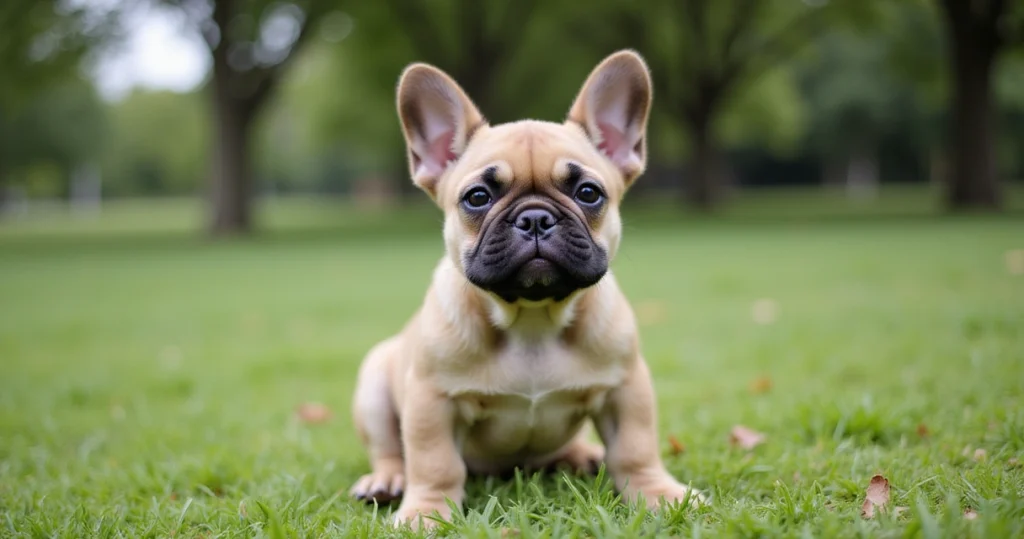
- Early Socialisation: Expose your Frenchie puppy to a variety of people, places, and sounds to help them develop into a well-adjusted adult dog.
- Positive Reinforcement: Use treats, praise, and toys to reward desired behaviours. Avoid punishment-based training methods, as these can be counterproductive.
- Consistency: Be consistent with your commands and expectations.
- Short Training Sessions: French Bulldogs have short attention spans, so keep training sessions short and engaging.
- Addressing Common Challenges: French Bulldogs can be stubborn and easily distracted. Break down training into small, manageable steps and reward progress.
7. Exercise and Activity Needs
“Keeping Them Active and Happy”
French Bulldogs are relatively low-energy dogs compared to some other breeds, but they still need regular exercise to stay healthy and happy.
- Moderate Exercise: Aim for 20-30 minutes of exercise per day.
- Short Walks: Daily walks are a great way to provide exercise and mental stimulation.
- Play Sessions: Engage in playful activities like fetch or tug-of-war.
- Avoid Overexertion: Due to their brachycephalic face, French Bulldogs can overheat easily, especially in hot weather. Avoid strenuous exercise during the hottest parts of the day.
- Mental Stimulation: Provide puzzle toys and interactive games to keep them mentally stimulated.
8. Nutrition and Dietary Needs
“Feeding Your Frenchie Right”
A balanced diet is essential for the health and well-being of your French Bulldog.
- High-Quality Dog Food: Choose a high-quality dog food specifically formulated for small breeds.
- Portion Control: Follow the feeding guidelines on the dog food label and avoid overfeeding. French Bulldogs are prone to obesity.
- Age-Specific Diets: Feed your Frenchie puppy food until they are about one year old, then switch to an adult formula. Senior dogs may benefit from a senior-specific diet.
- Limited Treats: Offer treats in moderation. Choose healthy treats like small pieces of fruits or vegetables.
- Fresh Water: Always provide access to fresh, clean water.
9. Grooming and Coat Care
“Caring for Their Signature Look”
French Bulldogs have short, smooth coats that require minimal grooming.
- Brushing: Brush your Frenchie once or twice a week to remove loose hair and keep their coat healthy.
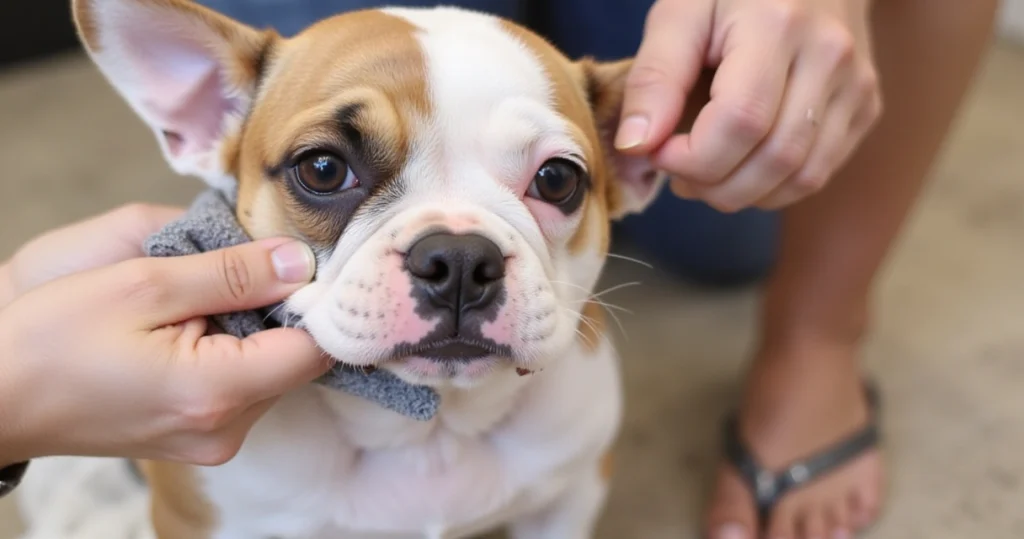
- Wrinkle Cleaning: Clean their facial wrinkles regularly with a damp cloth to prevent infections.
- Bathing: Bathe your Frenchie only when necessary, as frequent bathing can dry out their skin.
- Nail Trimming: Trim their nails regularly to prevent overgrowth.
- Ear Cleaning: Check their ears regularly for signs of infection and clean them as needed.
10. Common Health Issues
“Staying Healthy and Happy”
French Bulldogs are prone to certain health problems, primarily due to their brachycephalic (flat-faced) conformation.
- Brachycephalic Obstructive Airway Syndrome (BOAS): This condition affects breathing and can cause difficulty exercising, overheating, and even collapse.
- Intervertebral Disc Disease (IVDD): A spinal condition that can cause pain, weakness, and paralysis.
- Hip Dysplasia: A malformation of the hip joint that can lead to arthritis.
- Allergies: French Bulldogs are prone to both food and environmental allergies.
- Eye Problems: Cherry eye, cataracts, and progressive retinal atrophy (PRA) are some common eye issues.
Prevention:
- Choose a reputable breeder who screens their dogs for health problems.
- Maintain a healthy weight to reduce stress on joints and organs.
- Avoid overexertion, especially in hot weather.
- Schedule regular vet check-ups.
11. Fun Facts
“Did You Know?”
- French Bulldogs were a favourite breed among Parisian prostitutes in the late 19th century.
- They are notoriously bad swimmers due to their body shape and heavy head.
- French Bulldogs cannot fly in the cargo hold of airplanes due to their breathing problems.
- They often “talk” by making snorting, grunting, and snuffling noises.
12. Is a French Bulldog Right for You?
“Who’s the Perfect Match?”
French Bulldogs make wonderful companions for the right owner.
- Ideal Owner Profile:
- Apartment dwellers or people with small homes.
- Families or individuals seeking a loving and playful companion.
- People who are home often and can provide plenty of attention.
- Owners willing to invest in preventative health care.
- People with relaxed lifestyles (as Frenchies are sensitive to heat and exercise).
13. FAQs
“Common Questions About French Bulldogs”
- How much exercise does a French Bulldog need?
French Bulldogs need about 20-30 minutes of moderate exercise per day, such as short walks and play sessions.
- Are French Bulldogs good with kids?
Yes, French Bulldogs can be good with kids, especially when properly socialised from a young age.
- Do French Bulldogs shed a lot?
French Bulldogs are moderate shedders. Regular brushing can help to minimise shedding.
- Are French Bulldogs hard to train?
French Bulldogs can be stubborn, but with patience, consistency, and positive reinforcement, they can be trained.
- Are French Bulldogs expensive dogs to own?
Yes, French Bulldogs can be expensive due to their high purchase price and potential health issues.
14. Conclusion
French Bulldogs are charming, affectionate, and entertaining dogs that make wonderful companions for the right owner. While they can be prone to certain health problems, with proper care and attention, they can live long and happy lives.
Do you have a French Bulldog? Share your stories and photos in the comments below! Or, if you are looking for more information, check out our related content on small-breed dog care.

At Pet Care Community, our team of passionate pet lovers, writers, and veterinary-approved experts share reliable tips, guides, and resources to help you give your furry friends the happiest and healthiest life possible. From dog breeds and training advice to nutrition, wellness, and pet parenting hacks, we’re here to support every step of your journey as a pet parent.