

Introduction
The German Shepherd Dog: more than just a dog, it’s a symbol of loyalty, intelligence, and unwavering companionship. A breed admired worldwide for its versatility and dedication.
This article will guide you through the fascinating history of the German Shepherd, offer practical advice on care and training, highlight common health issues, and help you decide if this remarkable breed is the right fit for your life.
Intrigued by the intelligence and noble spirit of the German Shepherd? Read on to discover everything you need to know!
Quick Overview
| Features | Description |
|---|---|
| Breed Name: | German Shepherd Dog |
| Origin: | Germany |
| Size: | Large (55-65 cm at the shoulder, 22-40 kg) |
| Lifespan: | 9-13 years |
| Temperament: | Intelligent, Loyal, Courageous, Trainable, Protective |
| Grooming Needs: | Moderate (Regular brushing required, especially during shedding seasons) |
| Exercise Needs: | High (Needs daily physical and mental stimulation) |
| Training: | Essential (Requires consistent and positive reinforcement training) |
| Health Concerns: | Hip and Elbow Dysplasia, Bloat, Degenerative Myelopathy |
| Best Suited For: | Active individuals or families, experienced dog owners, those needing a working dog |
History and Origin
From German Farmlands to Global Icon: The German Shepherd’s Roots
The German Shepherd’s story begins in late 19th-century Germany. Max von Stephanitz, a German cavalry officer, is considered the father of the breed. He aimed to create the perfect herding dog – intelligent, strong, and capable.
Von Stephanitz selectively bred dogs from different regions of Germany, focusing on working ability rather than appearance.
In 1899, he found “Horand von Grafrath,” a dog that embodied his vision. Horand became the first registered German Shepherd and the foundation of the breed.
The breed quickly gained popularity not only for herding but also for police work, military service, and as a loyal companion.
During World War I, the breed faced challenges due to anti-German sentiment, but its exceptional abilities ensured its survival and continued popularity.
Physical Characteristics
A Picture of Strength and Agility: What Makes a German Shepherd Unique?
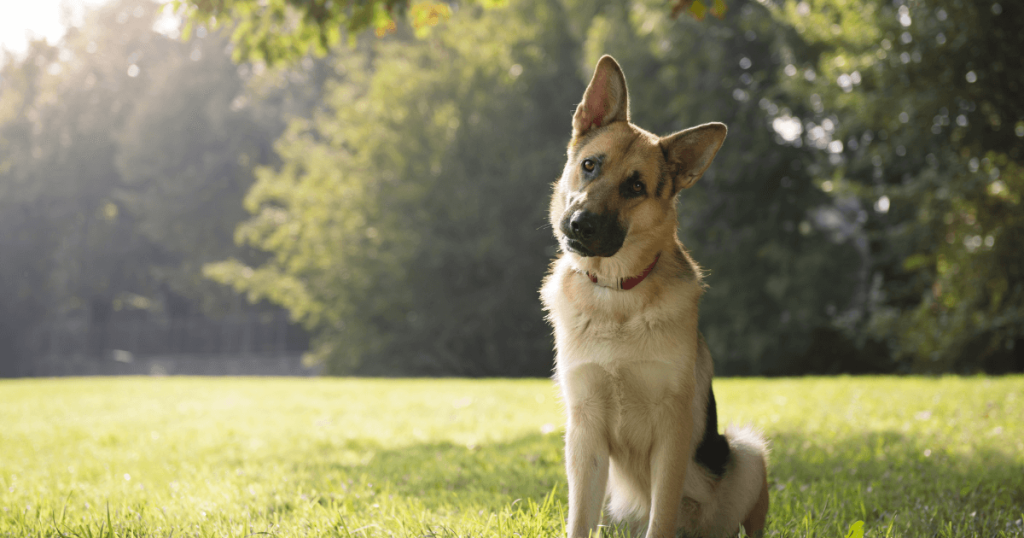
German Shepherds are medium to large-sized dogs, known for their athletic build and distinctive appearance.
- They typically stand between 55 and 65 centimetres tall at the shoulder and weigh between 22 and 40 kilograms.
- Their coat is a double coat, consisting of a dense outer coat and a soft undercoat, which protects them from the elements.
- Common coat colours include black and tan, sable, black, and less commonly, white.
- They have a distinctive gait characterized by effortless movement and agility.
Temperament and Personality
Loyal, Courageous, and Intelligent: Unveiling the German Shepherd’s True Nature
German Shepherds are known for their intelligence, loyalty, and courage. They are highly trainable and eager to please, making them excellent working dogs and devoted companions.
They can be reserved with strangers but are fiercely protective of their families. Early socialisation is crucial to ensure they are well-adjusted and confident in various situations. They have a strong prey drive, which can be channelled into positive activities like fetch or agility training. They are intelligent and need mental stimulation to prevent boredom and destructive behaviours.

Pros and Cons:
- Pros: Loyal, intelligent, trainable, protective, good with families (when properly socialised).
- Cons: High energy, prone to separation anxiety if left alone for long periods, can be destructive if bored, require consistent training, potential for aggression if not properly socialised.
Training and Socialisation
Raising a Well-Behaved German Shepherd: A Guide to Training and Socialisation
Training is essential for German Shepherds. They need consistent and positive reinforcement training from a young age.
Start with basic obedience commands (sit, stay, come) and gradually introduce more complex tasks. Early socialisation is crucial. Expose your German Shepherd puppy to a variety of people, places, and sounds to help them develop into a well-adjusted adult. Address common challenges like excessive barking, chewing, and digging with appropriate training techniques and enrichment activities.
Consider enrolling in obedience classes or working with a professional dog trainer to ensure your German Shepherd receives proper guidance.
Exercise and Activity Needs
Keeping Them Active and Happy: Meeting the German Shepherd’s Exercise Needs
German Shepherds are high-energy dogs that require a significant amount of exercise to stay healthy and happy.
- Aim for at least 60-90 minutes of exercise per day, including walks, runs, hikes, and play sessions.
- Mental stimulation is just as important as physical exercise. Provide puzzle toys, training sessions, and interactive games to keep their minds engaged.
- Consider activities like agility training, herding, or Schutzhund to channel their energy and intelligence.
Suggested Activities: Hiking, running, playing fetch, agility training, obedience training, herding.
Nutrition and Dietary Needs
Feeding Your German Shepherd Right: A Guide to Optimal Nutrition
German Shepherds thrive on a high-quality dog food that is rich in protein and contains essential nutrients.
Choose a food that is specifically formulated for large breeds to support their joint health.
Avoid foods that contain fillers, artificial colours, or preservatives.
Feed your German Shepherd puppy a diet that is appropriate for their age and activity level.
Monitor their weight and adjust their food intake as needed to prevent obesity.
Recommended Feeding Schedule:
- Puppies (8-12 weeks): 4 meals per day
- Puppies (3-6 months): 3 meals per day
- Puppies (6-12 months): 2 meals per day
- Adults (1+ year): 2 meals per day

Grooming and Coat Care
Caring for Their Signature Look: Grooming Tips for German Shepherds
German Shepherds have a double coat that requires regular grooming to prevent matting and reduce shedding.
- Brush them several times a week, especially during shedding seasons (spring and autumn).
- Use a slicker brush and an undercoat rake to remove loose hair.
- Bathe them as needed, but avoid over-bathing as it can dry out their skin.
- Trim their nails regularly and clean their ears to prevent infections.
Common Health Issues
Staying Healthy and Happy: Common Health Concerns in German Shepherds
German Shepherds are prone to certain health issues, including hip and elbow dysplasia, bloat (gastric torsion), and degenerative myelopathy.
Hip and elbow dysplasia are genetic conditions that can cause pain and lameness. Responsible breeders screen their dogs for these conditions before breeding.
Bloat is a life-threatening condition that occurs when the stomach fills with gas and twists. Feed your German Shepherd smaller meals throughout the day and avoid exercise immediately before or after eating to reduce the risk.
Degenerative myelopathy is a progressive neurological disease that affects the spinal cord, leading to weakness and paralysis in the hind legs.
Health Problem and Prevention/Management:
| Health Problem | Prevention/Management |
|---|---|
| Hip Dysplasia | Responsible breeding, maintaining a healthy weight, joint supplements. |
| Elbow Dysplasia | Responsible breeding, maintaining a healthy weight, joint supplements. |
| Bloat (Gastric Torsion) | Feed smaller meals, avoid exercise before/after eating. |
| Degenerative Myelopathy | Genetic testing, management focuses on maintaining quality of life through exercise and supportive care. |
Fun Facts
Did You Know? Surprising Facts About German Shepherds
- The first seeing-eye dog in the United States was a German Shepherd.
- German Shepherds are one of the most popular breeds in the world.
- Many famous dogs in film and television have been German Shepherds, including Rin Tin Tin.
Is a German Shepherd Right for You?
Who’s the Perfect Match for a German Shepherd?
German Shepherds are best suited for active individuals or families who can provide them with the exercise, training, and mental stimulation they need.
They thrive in homes where they are included as part of the family and have a job to do. Experienced dog owners who are familiar with the breed’s needs are ideal. If you are looking for a loyal, intelligent, and protective companion, a German Shepherd may be the perfect breed for you.

FAQs
Common Questions About German Shepherds
- How much exercise does a German Shepherd need?
Answer: At least 60-90 minutes of exercise per day. - Are German Shepherds good with kids?
Answer: Yes, when properly socialised, German Shepherds can be excellent family dogs. - Do German Shepherds shed a lot?
Answer: Yes, German Shepherds are heavy shedders, especially during shedding seasons. - Are German Shepherds easy to train?
Answer: Yes, German Shepherds are highly intelligent and trainable, but they require consistent and positive reinforcement.
Conclusion
The German Shepherd is a truly remarkable breed with a rich history, exceptional intelligence, and unwavering loyalty. Whether you’re looking for a working dog, a family companion, or a loyal protector, the German Shepherd has much to offer.
Do you own a German Shepherd? Share your experiences and stories in the comments below!

At Pet Care Community, our team of passionate pet lovers, writers, and veterinary-approved experts share reliable tips, guides, and resources to help you give your furry friends the happiest and healthiest life possible. From dog breeds and training advice to nutrition, wellness, and pet parenting hacks, we’re here to support every step of your journey as a pet parent.