

“Don’t let their dapper beards fool you — the Miniature Schnauzer is more than a stylish companion. Behind those expressive eyebrows lies an energetic, intelligent, and fiercely loyal dog who thrives on family life.”
This complete guide explores the Miniature Schnauzer’s origin, care, training, grooming, and health, giving Australian owners everything they need to know before bringing one home.
Breed Summary
| Trait | Details |
|---|---|
| Breed Name | Miniature Schnauzer |
| Origin | Germany |
| Group | Terrier / Utility |
| Size | Small |
| Height | 30 – 36 cm |
| Weight | 5 – 9 kg |
| Coat Type | Wiry double coat (harsh outer layer, soft undercoat) |
| Colours | Salt & pepper, black, black & silver, white |
| Lifespan | 12 – 15 years |
| Temperament | Intelligent, alert, loyal, energetic, affectionate |
| Exercise Needs | Moderate – 45–60 minutes daily |
| Grooming Needs | High – regular brushing and professional grooming |
| Trainability | Excellent with consistent positive training |
| Good With | Families, older children, other pets (with socialisation) |
| Common Health Issues | Pancreatitis, diabetes, bladder stones, PRA, myotonia congenita |
| Ideal Living Environment | Apartment or home with secure yard |
| Average Puppy Cost (Australia) | AUD 2,500 – 4,000 |
| Recognised By | Dogs Australia / Dogs NSW |
| Best For | Active families, allergy-conscious homes, first-time owners |
1. History and Origin: From German Farms to Global Fame
The Miniature Schnauzer was developed in late-19th-century Germany by selectively breeding the larger Standard Schnauzer with smaller dogs like the Affenpinscher and Miniature Pinscher.
The goal: a compact, fearless ratting dog for farms and stables that retained the Standard Schnauzer’s intelligence and weather-resistant coat.
The name Schnauzer comes from “Schnauze,” meaning snout — a nod to their iconic whiskered muzzle.
By 1926, the breed gained official recognition by the American Kennel Club, and quickly rose to global popularity, including in Australia, where their adaptability and low-shedding coat made them an urban favourite.
Source: Dogs NSW – Miniature Schnauzer
2. Physical Characteristics: The Distinctive Schnauzer Look
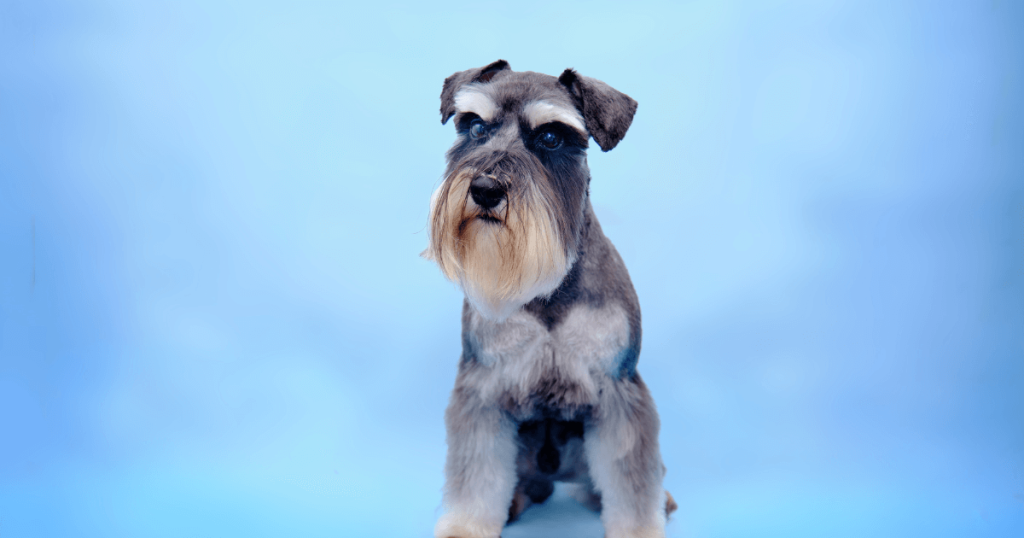
Miniature Schnauzers are small yet sturdy dogs with a square build, muscular frame, and confident posture.
Height: 30–36 cm
Weight: 5–9 kg
Coat: Harsh, wiry topcoat and soft undercoat
Colours: Salt and pepper, black, black & silver (white is rare and not accepted by all kennel clubs)
Their expressive eyebrows, thick beard, and alert stance give them a distinctly human-like personality.
Historically, ears were cropped and tails docked, but these practices are now banned or discouraged in Australia for welfare reasons.
3. Temperament and Personality
Miniature Schnauzers are known for their big-dog confidence in a small body.
Affectionate & Loyal: Deeply bonded with their owners, they thrive on companionship.
Intelligent & Alert: Excellent watchdogs — quick to alert you but not aggressive.
Playful & Energetic: Enjoy active games and thrive in busy households.
Social: Usually good with other pets and children, provided early socialisation.
Their terrier-like curiosity means they can be vocal — early training helps manage barking.

Compare their lively nature to the Border Terrier or Jack Russell Terrier — equally clever, compact breeds.
4. Training and Socialisation: Unlocking Their Potential
Miniature Schnauzers are quick learners but can be stubborn. They respond best to positive reinforcement, treats, and play-based learning.
Training essentials:
Start early — puppies benefit from short, consistent sessions.
Use firm but kind leadership — harsh correction makes them resistant.
Focus on recall, barking control, and impulse training.
Enrol in obedience or agility classes to channel their energy and intelligence.
Schnauzers excel in dog sports like rally, scent work, and agility. Socialise early to prevent excessive territorial behaviour around other dogs.
5. Exercise and Activity Needs
Despite their small size, Miniature Schnauzers have moderate energy levels and love being active.
Aim for 45–60 minutes of daily exercise — brisk walks, fetch, or play sessions.
They adapt well to apartment living if given consistent outdoor activity.
Mental stimulation (training, puzzle toys, hide-and-seek) is key — boredom can lead to barking or digging.
Explore more exercise tips in our Australian Kelpie guide — another energetic, intelligent working breed.
6. Nutrition and Dietary Needs
Feed a high-quality small-breed dog food rich in lean protein and moderate fat.
Avoid greasy or fatty foods — Mini Schnauzers are prone to pancreatitis.
Feeding tips:
Divide daily meals into two portions.
Keep treats under 10% of total calories.
Always provide fresh, clean water.
Maintain a lean weight to protect joints and prevent diabetes.
Consult your vet before introducing supplements or switching diets.

7. Grooming and Coat Care: Maintaining the Classic Schnauzer Look
Their iconic wiry coat needs regular upkeep:
Brushing: 2–3 times a week to prevent matting.
Professional grooming: Every 4–6 weeks — clipping or hand-stripping maintains the proper texture.
Beard care: Wipe after meals to prevent staining.
Bathing: Every 2–3 months or when dirty.
Nails & Ears: Trim nails fortnightly and clean ears weekly.
If you love low-shedding dogs, see our Poodle or Cavoodle guides for more coat-friendly companions.
8. Common Health Issues
Miniature Schnauzers are sturdy but predisposed to several genetic and lifestyle-related conditions.
| Condition | Description / Risk | Prevention / Care Tips |
|---|---|---|
| Pancreatitis | Inflammation of the pancreas | Low-fat diet, avoid table scraps |
| Diabetes Mellitus | Blood sugar imbalance | Weight control, regular vet screening |
| Urolithiasis (Bladder Stones) | Mineral buildup in the bladder | Hydration, balanced diet, vet checkups |
| Progressive Retinal Atrophy (PRA) | Gradual vision loss | Breeder testing, annual eye exams |
| Myotonia Congenita | Muscle stiffness (rare genetic issue) | Genetic testing, early diagnosis |
| Allergies / Skin Issues | Itching or redness | Hypoallergenic shampoo, omega-3 diet |
9. Fun Facts
Mini Schnauzers were once farm ratters — now they chase toys instead of pests.
Their iconic beard protects them from bites when hunting vermin.
They perform a playful “Schnauzer salute” — raising one paw to greet people.
They rank among Australia’s top 20 most popular breeds for families.
10. Is a Miniature Schnauzer Right for You?
Mini Schnauzers are perfect for active households looking for a bright, devoted, and low-shedding companion.
They fit well into apartments or suburban homes, provided they get daily exercise and companionship.
Best suited for:
Families, couples, or singles who are home often
Owners ready for regular grooming
First-time dog owners seeking an easy-to-train breed
Not ideal for:
People away for long hours (they crave company)
Owners unwilling to manage grooming
Homes with little time for training or play

Considering a similar temperament? Read about the Scottish Terrier or West Highland White Terrier.
11. FAQs: Miniature Schnauzer Questions Answered
How much exercise does a Miniature Schnauzer need?
Around 45–60 minutes daily through walks, play, or training.
Are Miniature Schnauzers good with kids?
Yes — affectionate and patient with children when socialised early.
Do Miniature Schnauzers shed a lot?
No — they’re low-shedding but require regular brushing and grooming.
Are Miniature Schnauzers easy to train?
Yes — they’re intelligent and responsive but can be stubborn without consistent rules.
What are common health issues?
Pancreatitis, diabetes, bladder stones, PRA, and myotonia congenita.
Do Miniature Schnauzers bark a lot?
They can be vocal — early obedience and mental stimulation reduce nuisance barking.
What is their lifespan?
Typically 12–15 years, with many living healthy lives into their senior years.
Helpful Tools & Resources
Pet Symptom Checker – Identify early signs of illness or allergies.
Pet Name Generator – Find a clever name worthy of your bearded buddy.
Write for Us – Share your Schnauzer stories or grooming tips with our readers.
Contact Us – Need guidance? Reach out to our team anytime.
12. Final Thoughts
The Miniature Schnauzer is a dog of contrasts — small yet brave, playful yet protective, energetic yet deeply affectionate.
With the right care, training, and regular grooming, this intelligent little dog becomes a loyal family companion for life.
If you’re looking for a breed that’s both low-shedding and full of character, the Mini Schnauzer may be your perfect match.

At Pet Care Community, our team of passionate pet lovers, writers, and veterinary-approved experts share reliable tips, guides, and resources to help you give your furry friends the happiest and healthiest life possible. From dog breeds and training advice to nutrition, wellness, and pet parenting hacks, we’re here to support every step of your journey as a pet parent.