

Introduction
Don’t let their small size fool you. Schipperkes, those ‘little captains’ of Belgium, pack a personality as big as a ship! These intelligent and curious dogs are more than just a pretty face; they’re a breed with a fascinating history and a unique set of needs.
This article will dive into the Schipperke’s rich history, guide you through their care requirements, offer training tips, and shed light on potential health concerns. We’ll also explore whether this confident breed is the right fit for your lifestyle.
Intrigued by the Schipperke’s charm and ready to discover if you’re the perfect captain for this little boat dog? Keep reading!
Quick Overview
| Breed Name | Schipperke |
|---|---|
| Origin | Belgium |
| Size | Small (4.5-7 kg) |
| Life Expectancy | 12-15 years |
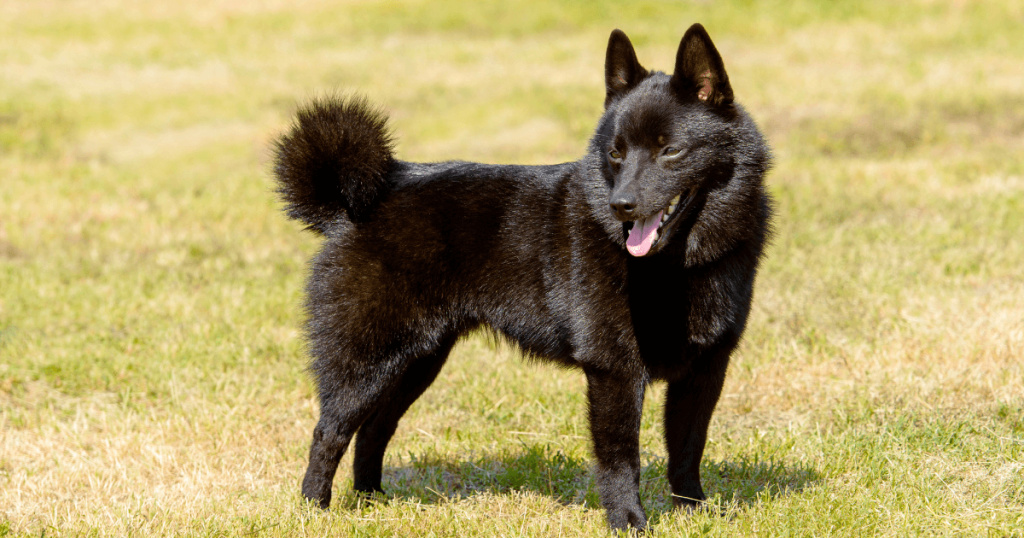
| Coat | Black, dense, double coat; distinctive ruff and culottes |
| Temperament | Curious, intelligent, alert, mischievous, confident, independent |
| Exercise Needs | Moderate (daily walks and play) |
| Training | Requires consistent and positive reinforcement; can be independent and require patience |
| Grooming | Low to moderate; regular brushing to manage shedding |
| Health | Generally healthy but prone to certain conditions like MPS IIIB, hypothyroidism, and patellar luxation |
| Best Suited For | Active individuals or families who can provide consistent training and mental stimulation |
History and Origin
Where It All Began: From Canal Boats to Modern Homes
The Schipperke, often called the “little captain,” hails from Belgium. Their history is intertwined with the canals and boats of the region. Contrary to some beliefs, they weren’t originally bred as sheepdogs. Their role was primarily that of a barge dog, guarding boats, controlling vermin (rats and mice), and acting as watchdogs. They were particularly popular with the working class, especially those who worked on the canals.
The Schipperke’s ancestry is believed to be related to the Leauvenaar, a black sheepdog. By the 1600s, they were already well-established as a distinct breed. Their popularity soared in the 19th century, especially after Queen Marie Henriette of Belgium took a liking to them. This royal endorsement solidified their place in Belgian society and helped spread their fame internationally. The first Schipperkes arrived in the United States in the late 19th century.
Physical Characteristics
What Makes the Schipperke Unique: The Fox-Like Silhouette
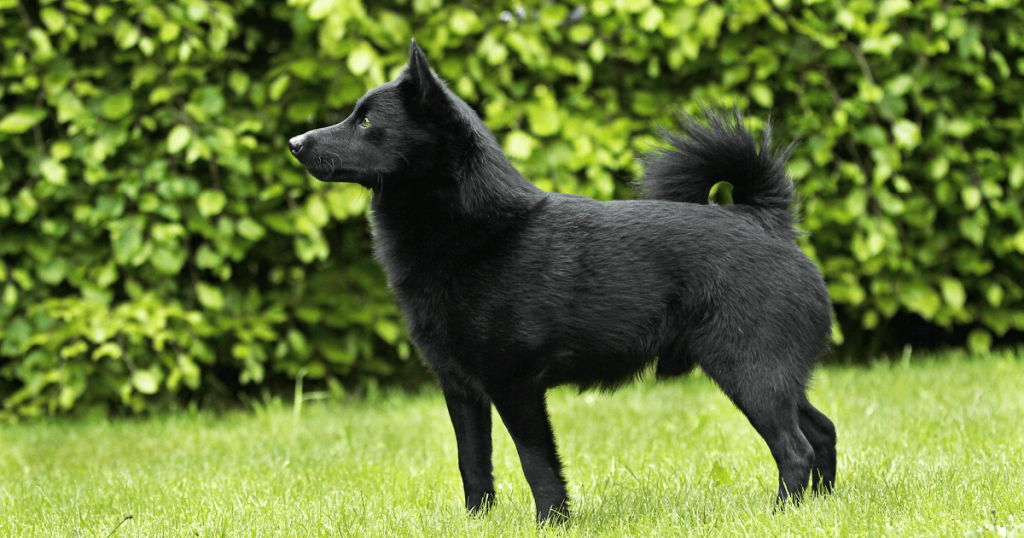
Schipperkes are small but sturdy dogs. They typically weigh between 4.5 and 7 kg and stand about 25-33 cm tall at the shoulder. The most distinctive feature is their lack of a tail – they are naturally tailless or have a very short tail, sometimes surgically docked. Their black, dense double coat is another key characteristic. The coat is longer around the neck, forming a distinctive ruff, and also around the rear legs, creating “culottes.” While black is the most common colour, other colours are allowed in some kennel clubs, though black is preferred.
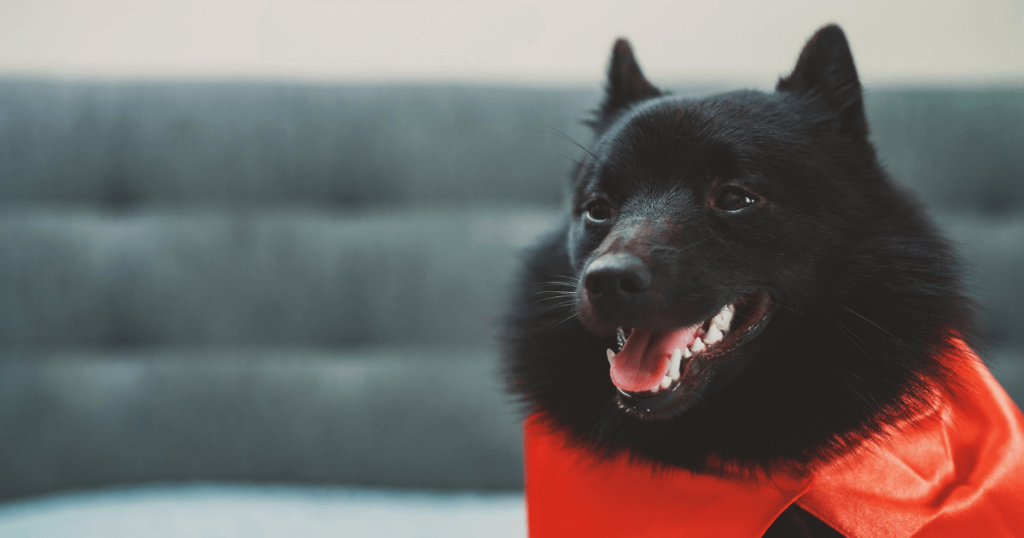
They have a fox-like face with erect, triangular ears and dark, almond-shaped eyes that give them an alert and intelligent expression. Their body is compact and muscular, built for agility and endurance.
Temperament and Personality
What’s Their True Nature? Bold, Curious, and Independent
Schipperkes are known for their bold and curious nature. They are intelligent and always alert, making them excellent watchdogs. They are also highly independent and can be mischievous if not properly stimulated. They form strong bonds with their families but can be reserved with strangers.
Pros:
- Intelligent and quick learners
- Excellent watchdogs
- Loyal to their families
- Relatively low-maintenance grooming
Cons:
- Can be independent and stubborn
- Prone to barking if not properly trained
- High energy levels require sufficient exercise
- May chase small animals
Training and Socialisation
Raising a Well-Behaved Schipperke: Consistency is Key
Schipperkes are intelligent but independent, which means training requires patience and consistency. Start early socialisation to ensure they are well-adjusted around other dogs and people. Use positive reinforcement methods, such as treats and praise, to motivate them. Avoid harsh training techniques, as they can be sensitive.
Address the breed’s tendency to bark excessively by teaching a “quiet” command early on. Challenge their intelligence with puzzle toys and interactive games. Recall training is crucial, especially since their curiosity can lead them to wander.
Exercise and Activity Needs
Keeping Them Active and Happy: More Than Just a Walk in the Park
Schipperkes have moderate energy levels and need regular exercise to stay happy and healthy. A daily walk or two, combined with playtime, is usually sufficient. They also enjoy activities like agility, flyball, and fetch. Mental stimulation is equally important to prevent boredom and destructive behaviours.
Nutrition and Dietary Needs
Feeding Your Schipperke Right: Quality Over Quantity
Feed your Schipperke a high-quality dog food that is appropriate for their age, size, and activity level. Since they are prone to certain health issues, a diet rich in antioxidants and omega fatty acids can be beneficial. Avoid overfeeding, as they can be prone to weight gain. Consult with your veterinarian to determine the best feeding schedule and portion sizes. Generally, two meals a day are recommended for adult Schipperkes.
Grooming and Coat Care
Caring for Their Signature Look: That Striking Black Coat
Schipperkes have a double coat that requires regular brushing to prevent matting and reduce shedding. A good brushing once or twice a week is usually sufficient. They shed more heavily during shedding season, so more frequent brushing may be needed. Bathe them only when necessary, as frequent bathing can strip their coat of its natural oils. Regular nail trimming and ear cleaning are also important.
Common Health Issues
Staying Healthy and Happy: Understanding Breed-Specific Concerns
Schipperkes are generally healthy, but they are prone to certain health conditions:
- Mucopolysaccharidosis IIIB (MPS IIIB): Neurological issues, ataxia. Genetic testing before breeding; no cure, supportive care.
- Hypothyroidism: Lethargy, weight gain, skin problems. Regular vet check-ups; medication if diagnosed.
- Patellar Luxation: Limping, skipping gait. Maintain healthy weight; surgery may be needed in severe cases.
- Progressive Retinal Atrophy (PRA): Night blindness, progressive vision loss. Genetic testing and careful breeding; no cure, but dogs can adapt well to vision loss.

Fun Facts
Did You Know? Surprising Schipperke Trivia
- Schipperke means “little captain” in Flemish.
- They were often seen on barges in Belgium, earning them the nickname “barge dog.”
- Queen Marie Henriette of Belgium owned a Schipperke, which increased the breed’s popularity.
- Despite their small size, they were used as guard dogs.
Is a Schipperke Right for You?
Who’s the Perfect Match? The Active and Engaged Owner
Schipperkes are best suited for active individuals or families who can provide them with consistent training, mental stimulation, and plenty of exercise. They need an owner who is willing to be patient and consistent with training and who can provide them with a job to do. They are not a good choice for people who are looking for a low-energy, cuddly dog. If you love the outdoors and like dogs who are active and fun, then a Schipperke may be a great fit.
FAQs
Common Questions About Schipperkes
How much exercise does a Schipperke need?
At least 30 minutes of exercise per day, including walks and playtime.
Are Schipperkes good with kids?
They can be good with kids if properly socialised, but supervise interactions, especially with smaller children, due to their energetic nature.
Do Schipperkes shed a lot?
They shed moderately year-round, with heavier shedding during shedding season.
Are Schipperkes easy to train?
They are intelligent but independent, requiring patience and consistent positive reinforcement training.
Conclusion
Schipperkes are unique and fascinating dogs with a rich history and a lively personality. They require dedicated owners who can meet their needs for training, exercise, and mental stimulation. If you’re up for the challenge, you’ll find a loyal, intelligent, and entertaining companion in the “little captain.”
Do you have a Schipperke? Share your stories and tips in the comments below! Check out our other breed profiles to find your perfect canine companion.

At Pet Care Community, our team of passionate pet lovers, writers, and veterinary-approved experts share reliable tips, guides, and resources to help you give your furry friends the happiest and healthiest life possible. From dog breeds and training advice to nutrition, wellness, and pet parenting hacks, we’re here to support every step of your journey as a pet parent.