

1. Introduction
Looking for a dog with a small stature but a mighty personality? The Jack Russell Terrier is a bundle of energy and smarts, a true Aussie battler in dog form. But be warned, this breed isn’t for the faint-hearted. They need an owner who can keep up with their boundless enthusiasm! This article digs deep into the Jack Russell’s history, provides essential care tips, shares some bonza facts, and helps you decide if one of these little dynamos is the right fit for your Aussie lifestyle.
Curious if a Jack Russell Terrier is your perfect mate? Keep reading to find out!
2. Quick Overview
| Characteristic | Description |
|---|---|
| Breed Name: | Jack Russell Terrier |
| Origin: | England |
| Size: | Small (25–38 cm tall, 6–8 kg) |
| Lifespan: | 12–16 years |
| Temperament: | Energetic, Intelligent, Fearless, Lively, Alert, Stubborn |
| Grooming Needs: | Low to Moderate (occasional brushing, more during shedding) |
| Exercise Needs: | High (daily vigorous activity required) |
| Training: | Can be challenging (needs firm, consistent, and positive training) |
| Health Concerns: | Patellar Luxation, Eye Diseases, Deafness, Legg-Calvé-Perthes Disease |
| Best Suited For: | Active individuals or families, experienced dog owners, homes with fenced yards |
| Coat Types: | Smooth, Rough, or Broken |
| Good with Children? | Yes, with proper training and supervision |
| Good with Other Pets? | May be aggressive toward smaller animals due to high prey drive |
3. History and Origin: Where It All Began
The Jack Russell Terrier’s story kicks off in 19th-century England. Reverend John “Jack” Russell, a keen hunting enthusiast, desired a terrier that could fearlessly bolt foxes from their dens during hunts. He carefully developed the breed by crossing various terrier types. These dogs were brave, tenacious, and possessed the stamina to keep pace with the hunt. Their role wasn’t to harm the fox, but to flush it out, allowing the hunt to continue. This specific purpose shaped the Jack Russell into the determined and active dog we know and love today. For many years, the breed standard varied, reflecting its working heritage. Different lines were bred for slightly different purposes and terrains, contributing to the breed’s versatility. The Jack Russell Terrier breed history and origin is deeply rooted in the English countryside, evolving to suit the needs of the hunt.
4. Physical Characteristics: What Makes Jack Russells Unique?
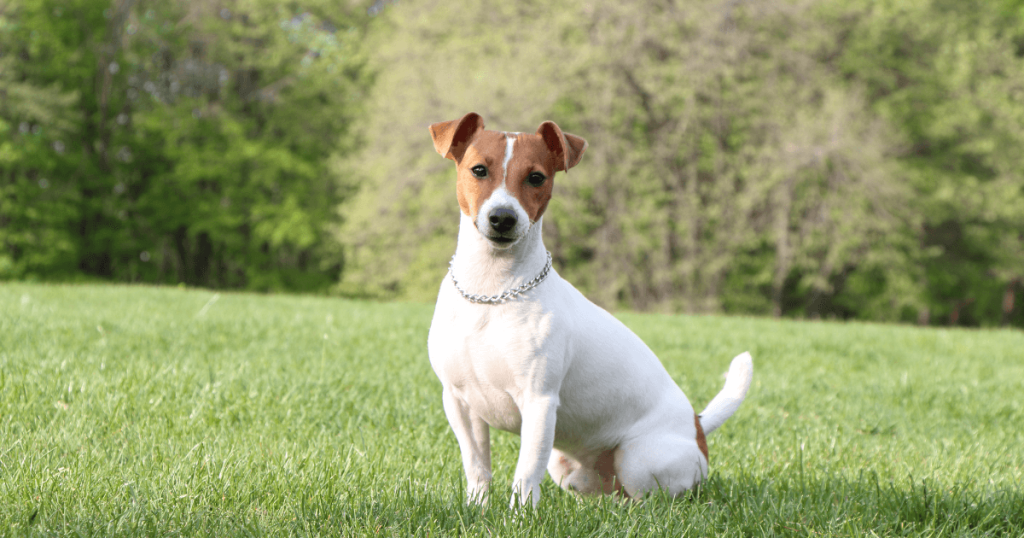
Jack Russells are compact, sturdy dogs with a distinctive rectangular build. They typically stand between 25 and 38 centimetres tall and weigh between 6 and 8 kilograms. Their coat can be smooth, rough, or broken (a charming mix of both!). Common colours are predominantly white with black or tan markings, adding to their unique appeal. A defining feature is their expressive face, which often mirrors their intelligence and alertness. Their ears can be button, dropped, or pricked, adding to their individual character. They possess a flexible chest, enabling them to navigate tight spaces with ease, a trait inherited from their hunting days. Understanding the Jack Russell Terrier breed history and origin helps appreciate these physical traits, which were carefully selected for their working ability.
5. Temperament and Personality: What’s Their True Nature?
Jack Russells are renowned for their boundless energy and sharp intelligence. They’re playful, curious, and always keen for a new adventure. However, they’re also independent thinkers and can be quite stubborn at times. This breed thrives with a confident owner who can provide consistent training and leadership. They can also be prone to chasing and digging, instincts deeply ingrained from their hunting heritage. Early socialisation is crucial to ensure they get along well with other animals. While their spirited nature can be challenging, their loyalty and affection make them rewarding companions. It’s important to understand that the Jack Russell Terrier breed history and origin has shaped their temperament, requiring owners who can appreciate and manage their inherent traits.
Pros:
- Loyal and affectionate with their family, forming strong bonds.
- Intelligent and quick learners, making training a rewarding experience.
- Playful and entertaining, bringing joy and laughter to the home.
- Relatively small and easy to travel with, perfect for Aussie adventures.
- Good watchdogs, always alert and ready to protect their territory.
Cons:
- High energy levels demand plenty of exercise, requiring a dedicated owner.
- Can be stubborn and challenging to train, needing patience and consistency.
- Prone to chasing and digging, requiring a secure environment.
- May not be suitable for homes with small pets (due to their strong prey drive).
- Requires a confident and experienced owner who understands their needs.
6. Training and Socialisation: Raising a Well-Behaved Jack Russell
Training a Jack Russell demands patience, consistency, and positive reinforcement. They are intelligent but independent, so traditional training methods may not always be effective. Short, engaging training sessions are the key to success. Focus on rewarding good behaviour with tasty treats and enthusiastic praise. Early socialisation is essential to prevent any potential aggression towards other dogs or small animals. Address common challenges such as nipping and ensure reliable recall, always using reward-based methods. Understanding the Jack Russell Terrier breed history and origin can inform training approaches, recognising their inherent drive and channelling it positively.
From my experience, Jack Russells respond exceptionally well to agility training. It gives them a purpose and channels their boundless energy in a positive direction. But always remember, consistency is paramount. If you let them get away with something even once, they’ll likely try it again!
7. Exercise and Activity Needs: Keeping Them Active and Happy
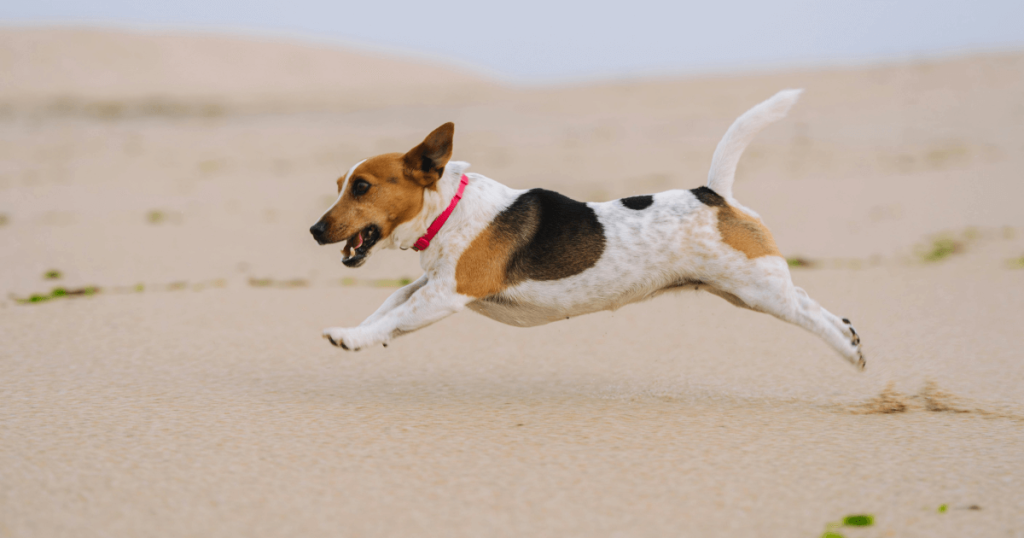
Jack Russells are high-octane dogs and need a significant amount of exercise to stay happy and healthy. A leisurely daily walk simply isn’t enough for most Jack Russells. They crave a good run, engaging playtime, or some other form of vigorous activity. Puzzle toys and interactive games can help stimulate their minds and prevent boredom from setting in. Failing to provide sufficient exercise can quickly lead to destructive behaviour, as pent-up energy seeks an outlet. Recognising the Jack Russell Terrier breed history and origin helps understand their need for physical activity, reflecting their working background.
Suggested Activities:
- Long walks or invigorating runs in the Aussie bush.
- Agility training to challenge their minds and bodies.
- Games of fetch in the park, perfecting their retrieving skills.
- A dedicated digging pit to satisfy their natural digging instincts.
- Interactive puzzle toys to keep them mentally stimulated.
8. Nutrition and Dietary Needs: Feeding Your Jack Russell Right
Jack Russells need a high-quality dog food that is appropriate for their age and activity level. Be careful not to overfeed them, as they can easily become overweight, impacting their health and well-being. A diet rich in protein is essential to support their high energy needs. Practice portion control to prevent unwanted weight gain. As they enter their senior years, they may benefit from a diet with fewer calories and more fibre to maintain a healthy weight and digestive system. Understanding the Jack Russell Terrier breed history and origin can inform dietary choices, considering their active lifestyle and potential health concerns.

9. Grooming and Coat Care: Caring for Their Signature Look
Jack Russells have a relatively low-maintenance coat, making grooming a breeze. Weekly brushing is usually sufficient to remove loose hair and keep their coat looking healthy and shiny. Those with rough or broken coats may require occasional stripping (removing dead hair by hand) to maintain their distinctive appearance. Bathe them only when necessary, as frequent bathing can strip their skin of its natural oils, leading to dryness and irritation. Regular nail trims are also essential to prevent overgrowth and discomfort. The Jack Russell Terrier breed history and origin didn’t place emphasis on elaborate grooming, but basic care is still important for their overall well-being.
10. Common Health Issues: Staying Healthy and Happy
While generally a robust breed, Jack Russells are prone to certain genetic conditions, including:
- Luxating Patella: Dislocation of the kneecap, causing lameness.
- Legg-Calvé-Perthes Disease: Degeneration of the hip joint, leading to pain and mobility issues.
- Eye Problems: Lens luxation and cataracts, affecting vision.
- Deafness: Some lines have a predisposition to congenital deafness.
Preventative care is paramount and includes regular vet check-ups, a balanced diet, and ample exercise. Responsible breeders screen their dogs for these conditions to minimise the risk of passing them on to future generations. Early detection and appropriate management can significantly improve the quality of life for affected dogs. Considering the Jack Russell Terrier breed history and origin, responsible breeding practices are crucial to maintain the breed’s overall health and vitality.
11. Fun Facts: Did You Know?
- Jack Russell Terriers have graced the silver screen in numerous movies and TV shows, including “The Mask” and “Frasier.”
- They were originally bred to hunt foxes on horseback, a testament to their agility and stamina.
- They possess a strong prey drive and can be master escape artists, requiring secure fencing.
- They can jump up to five times their own height, showcasing their impressive athleticism.
- They are known for their distinctive and surprisingly loud bark, despite their small size.
12. Is a Jack Russell Right for You? Who’s the Perfect Match?
Jack Russells are best suited for active individuals or families who can dedicate ample time to providing them with plenty of exercise and mental stimulation. They need a confident and patient owner who can provide consistent training and clear leadership. They are not the ideal choice for first-time dog owners or those seeking a low-energy companion. They thrive in environments where they are given a job to do, whether it’s agility training, fetching, or simply keeping the backyard free of pesky rodents. The Jack Russell Terrier breed history and origin has created a dog that needs a job and a committed owner.

13. FAQs: Common Questions About Jack Russells
How much exercise does a Jack Russell need?
At least one hour of vigorous exercise per day, coupled with plenty of mental stimulation to prevent boredom.
Are Jack Russells good with kids?
With proper socialisation from a young age, they can be good with older children, but supervision is always recommended, particularly with younger children due to their high energy levels.
Do Jack Russells shed a lot?
They shed moderately, but regular brushing can help to minimise shedding and keep their coat in top condition.
14. Conclusion
Jack Russell Terriers are energetic, intelligent, and fiercely loyal dogs who make fantastic companions for the right owner. They demand a significant commitment to training and exercise, but they offer boundless entertainment and unwavering affection in return. If you’re seeking a dog who will keep you on your toes and bring endless joy to your life, a Jack Russell might just be your perfect match. But remember, they are definitely not a dog for the faint of heart! Understanding the Jack Russell Terrier breed history and origin is key to appreciating their unique needs and traits.
Got a Jack Russell Terrier story to share? We’d love to hear it in the comments below! What are your top tips for managing their seemingly endless energy?

At Pet Care Community, our team of passionate pet lovers, writers, and veterinary-approved experts share reliable tips, guides, and resources to help you give your furry friends the happiest and healthiest life possible. From dog breeds and training advice to nutrition, wellness, and pet parenting hacks, we’re here to support every step of your journey as a pet parent.