

1. Introduction
Few dogs embody speed and elegance quite like the Greyhound. With a history stretching back millennia, these gentle giants are more than just racing champions; they are living embodiments of grace and athleticism. Imagine a canine capable of reaching speeds of up to 72 kilometres per hour, yet content to spend most of its day lounging on the sofa. This is the captivating paradox of the Greyhound.
This article dives into the fascinating history of the Greyhound, provides essential care tips tailored to their unique needs, explores common health concerns to help you ensure a long and happy life for your Greyhound, and ultimately helps you determine if this unique breed is the right fit for your lifestyle and household. We’ll unpack everything from their ancient origins to their modern-day role as beloved companions.
Curious to discover if a Greyhound is the perfect companion for you? Read on to find out! Prepare to be enchanted by their serene nature and impressed by their incredible adaptability.
2. Quick Overview
| Feature | Description |
|---|---|
| Breed Name | Greyhound |
| Origin | Likely Ancient Egypt/Middle East, developed in Great Britain |
| Size | Large (Males: 71-76 cm, Females: 68-71 cm) |
| Weight | Males: 27-36 kg, Females: 23-32 kg |
| Lifespan | 10-14 years |
| Coat | Short, smooth |
| Colour | Variable; Black, white, red, blue, fawn, brindle, or any combination of these. |
| Temperament | Gentle, affectionate, quiet, intelligent, independent. Often described as “72 km/h couch potatoes.” |
| Exercise Needs | Moderate; short bursts of high-speed activity followed by rest. |
| Grooming Needs | Low; occasional brushing. |
| Health Concerns | Bloat, osteosarcoma, hypothyroidism, dental problems. |
| Training | Requires patience and positive reinforcement. Can be sensitive to harsh corrections. |
3. History and Origin
Where It All Began
The Greyhound’s history is deeply rooted in antiquity. Images resembling Greyhounds appear on ancient Egyptian tombs dating back thousands of years. These early hounds were likely used for coursing (hunting by sight) in the open deserts, demonstrating their innate hunting prowess from the earliest stages of their development. From the Middle East, the breed likely spread to Europe, specifically to Great Britain, where they were further developed and refined, solidifying their place in European society.
In Britain, Greyhounds became popular with the aristocracy. Laws were even enacted restricting ownership to nobility, solidifying their status as a symbol of wealth and privilege. The breed’s exceptional speed and hunting ability made them prized possessions, cementing their association with the elite. Greyhound racing as a sport emerged in the 1920s in the US and quickly spread internationally. This led to a large boom in the breed numbers. However, since the 1990’s there has been a steady decline in racing and therefore a drop in the number of greyhounds bred. This decline has led to increased rescue efforts and a focus on rehoming retired racers.
4. Physical Characteristics
What Makes a Greyhound Unique?
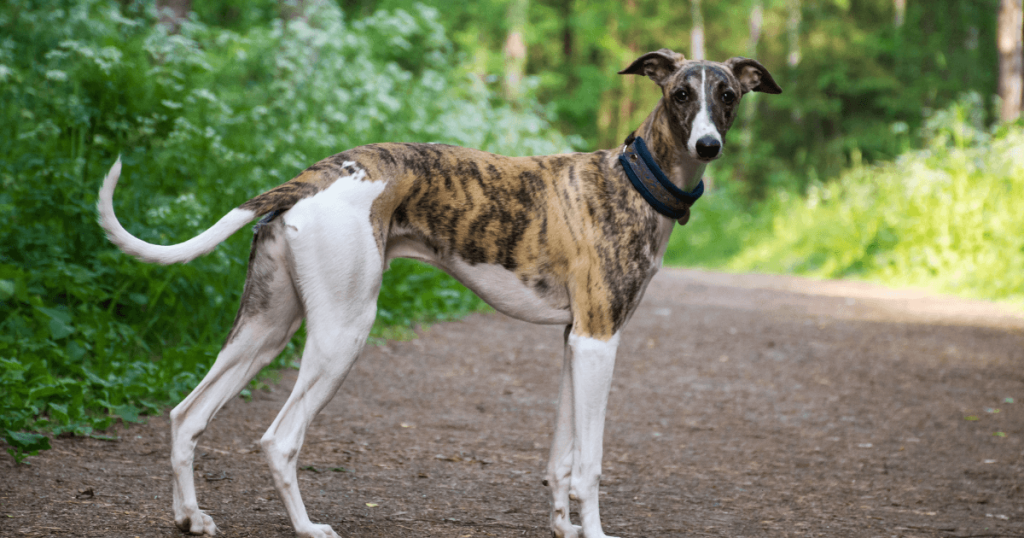
Greyhounds are built for speed. Their streamlined body, deep chest, flexible spine, and powerful legs are all adaptations for running at incredible speeds. They are a large breed, but their lean build gives them an elegant appearance, contributing to their overall grace and agility.
Their coat is short and smooth, requiring minimal grooming, making them a relatively low-maintenance breed in terms of coat care. A wide range of colours are possible, from classic black and white to fawn, red, blue, and brindle (a striped pattern), showcasing the breed’s diverse genetic makeup.
The Greyhound is the fastest dog breed, capable of reaching speeds of up to 72 kilometres per hour in short bursts. This remarkable speed is a testament to their specialized anatomy and breeding history.
| Feature | Greyhound | Irish Wolfhound | Saluki |
|---|---|---|---|
| Height | 68-76 cm | 76-90 cm | 58-71 cm |
| Weight | 23-36 kg | 40-70 kg | 16-25 kg |
| Build | Lean, aerodynamic | Tall, muscular | Slender, graceful |
| Primary Use | Racing, coursing, companion | Hunting wolves, companion | Hunting gazelle, companion |

5. Temperament and Personality
What’s Their True Nature?
Despite their racing background, Greyhounds are often described as “72 km/h couch potatoes.” They are surprisingly gentle, quiet, and affectionate dogs, making them wonderful companions for those seeking a calm and loving pet. They enjoy spending time with their families and are typically good with children, showcasing their adaptability to family life.
However, their strong prey drive means caution is needed around small animals like cats and rabbits. Early socialisation is vital to ensure they can coexist peacefully with other pets. While generally independent, they thrive on human companionship and appreciate a loving home environment.
Pros: Gentle, low-shedding, quiet indoors, intelligent, relatively easy to groom.
Cons: High prey drive, can be sensitive, require secure fencing due to their speed, prone to separation anxiety if left alone for long periods.
6. Training and Socialisation
Raising a Well-Behaved Greyhound
Greyhounds respond best to positive reinforcement training methods. Harsh corrections can damage their confidence and lead to fear-based behaviours, making a gentle and patient approach essential.
Due to their racing background, many rescued Greyhounds have little to no experience with basic obedience. Patience and consistency are key to helping them learn new skills and adapt to a domestic environment.
Recall training is crucial, but always exercise them in a securely fenced area or on a leash. Their instinct to chase can override their training if they spot something interesting, highlighting the importance of a safe and controlled environment.
Socialisation with other dogs, people, and environments from a young age is essential to prevent shyness or fearfulness, ensuring they develop into well-adjusted and confident companions.
7. Exercise and Activity Needs
Keeping Them Active and Happy
Greyhounds need regular exercise, but it doesn’t have to be constant running. They are sprinters, not marathon runners, so short bursts of high-intensity activity are more beneficial than prolonged endurance exercises.
Daily walks combined with short bursts of high-speed activity in a safe, enclosed area are ideal. A few good sprints followed by a nap are often all they need to stay content, demonstrating their unique energy expenditure patterns.

Mental stimulation is also important. Puzzle toys and interactive games can help prevent boredom and destructive behaviours, keeping their minds engaged and preventing them from becoming restless.
| Day | Activity | Duration | Notes |
|---|---|---|---|
| Monday | Leash walk | 30 minutes | Focus on loose-leash walking |
| Tuesday | Fenced sprint session | 15 minutes | 3-4 short sprints |
| Wednesday | Rest | – | – |
| Thursday | Leash walk | 30 minutes | Explore a new area |
| Friday | Puzzle toy session | 20 minutes | Introduce a new toy |
| Saturday | Fenced sprint session | 20 minutes | 4-5 short sprints |
| Sunday | Relaxed walk & cuddle time | 45 minutes | Enjoy a leisurely stroll |
8. Nutrition and Dietary Needs
Feeding Your Greyhound Right
Greyhounds have specific dietary needs. They benefit from a high-quality dog food that is rich in protein and has moderate fat content. Consulting with a veterinarian can help determine the best food for your Greyhound’s individual needs.
Avoid foods that are high in fillers or artificial ingredients, as these can be detrimental to their health. Choose a food that is specifically formulated for large breeds to ensure they receive the proper nutrients.
Feeding frequency should be adjusted based on age and activity level. Typically, two meals per day are sufficient for adult Greyhounds. Puppies may require more frequent feedings to support their growth and development.
Bloat (gastric torsion) is a serious concern in Greyhounds. To help prevent it, feed them smaller meals, avoid vigorous exercise immediately before or after eating, and consider using a slow-feeder bowl to prevent them from eating too quickly.
9. Grooming and Coat Care
Caring for Their Signature Look
Greyhounds have a short, smooth coat that is relatively easy to groom, making them a low-maintenance breed in terms of coat care.
Weekly brushing with a soft brush or grooming mitt will help remove loose hair and keep their coat shiny, contributing to their overall appearance.
They don’t require frequent bathing unless they get particularly dirty, as over-bathing can strip their coat of its natural oils.
Regular nail trimming is essential to prevent overgrowth and discomfort. Keeping their nails trimmed ensures their comfort and prevents potential injuries.
10. Common Health Issues
Staying Healthy and Happy
Greyhounds are generally healthy dogs, but they are prone to certain health conditions:
- Bloat (Gastric Torsion): A life-threatening condition where the stomach twists.
- Osteosarcoma (Bone Cancer): A common cancer in large breeds.
- Hypothyroidism: A condition where the thyroid gland doesn’t produce enough thyroid hormone.
- Dental Problems: Regular dental cleanings are important.
- Anaesthesia Sensitivity:** Greyhounds metabolise anaesthesia differently due to their low body fat. Vets must be informed of the breed so appropriate dosages are used.
Preventative care tips: Regular vet check-ups, a balanced diet, appropriate exercise, and good dental hygiene are essential for maintaining their health and well-being.
| Health Problem | Symptoms | Prevention/Management |
|---|---|---|
| Bloat | Restlessness, distended abdomen, retching | Smaller meals, avoid exercise before/after eating, prophylactic gastropexy |
| Osteosarcoma | Lameness, swelling, pain | Regular vet check-ups, early detection |
| Hypothyroidism | Weight gain, lethargy, hair loss | Thyroid hormone supplementation |
| Dental Issues | Bad breath, tartar build-up, gum inflammation | Regular dental cleanings, dental chews |
11. Fun Facts
Did You Know?
- Greyhounds can see movement up to half a mile away, giving them exceptional vision.
- Their blood is different from other dogs making them universal blood donors for canines, making them invaluable in veterinary medicine.
- They are one of the oldest dog breeds, with a history dating back over 4,000 years, highlighting their enduring legacy.
- Greyhounds have a double suspension gallop, meaning all four feet are off the ground twice during each stride, showcasing their unique and efficient running style.

Who’s the Perfect Match?
Greyhounds are best suited for owners who:
- Are relatively active and can provide daily exercise, even if it’s just short bursts of activity.
- Have a securely fenced yard to allow them to run safely.
- Are willing to provide positive reinforcement training to help them learn and adapt.
- Understand their prey drive and can manage it appropriately to ensure the safety of other pets.
- Appreciate a quiet and gentle companion who enjoys cuddling on the couch.
They are not ideal for:
- People who cannot provide adequate exercise or a safe environment.
- Homes with small, unsupervised pets that could be at risk due to their prey drive.
- Those seeking a highly energetic, always-on-the-go dog, as Greyhounds are content with a balance of activity and relaxation.
13. FAQs
Common Questions About Greyhounds
How much exercise does a Greyhound need?
Greyhounds need at least one 30-minute walk per day, plus a few short sprints in a safe, enclosed area.
Are Greyhounds good with kids?
Yes, Greyhounds are generally good with children, especially if they are raised together. Supervision is always recommended to ensure the safety of both the child and the dog.
Do Greyhounds shed a lot?
Greyhounds are relatively low-shedding dogs. Weekly brushing is usually sufficient to control shedding and keep their coat healthy.
Are Greyhounds good guard dogs?
No, Greyhounds are not typically good guard dogs. They are generally too gentle and quiet to be effective deterrents, but their size may deter some intruders.
14. Conclusion
Greyhounds are a truly special breed, offering a unique blend of speed, elegance, and gentle companionship. While their specific needs must be met, the rewards of owning a Greyhound are immense. If you can provide them with a loving home, a safe environment, and proper care, you’ll find yourself with a loyal and affectionate companion who will enrich your life in countless ways.
Do you have a Greyhound story to share? Leave a comment below! Check out our other articles on dog breeds to find the perfect canine companion for your lifestyle.

At Pet Care Community, our team of passionate pet lovers, writers, and veterinary-approved experts share reliable tips, guides, and resources to help you give your furry friends the happiest and healthiest life possible. From dog breeds and training advice to nutrition, wellness, and pet parenting hacks, we’re here to support every step of your journey as a pet parent.