

1. Introduction
2. Quick Overview
| Characteristic | Description |
|---|---|
| Breed Name: | Tibetan Mastiff |
| Breed Group: | Working |
| Origin: | Tibet |
| Size: | Large to Giant (61–76 cm tall at the shoulder, 34–73 kg) |
| Lifespan: | 10–14 years |
| Coat: | Thick, dense double coat; long and heavy, especially around the neck and shoulders |
| Coat Colours: | Black, brown, blue-grey, gold, with or without tan markings |
| Temperament: | Protective, independent, loyal, calm, aloof with strangers |
| Exercise Needs: | Moderate (daily walks and secure yard time) |
| Grooming Needs: | Moderate (seasonal heavy shedding, regular brushing required) |
| Trainability: | Challenging (requires firm, consistent, and patient training) |
| Common Health Issues: | Hip dysplasia, elbow dysplasia, hypothyroidism, entropion |
| Best Suited For: | Experienced dog owners, rural or large properties, families needing a guard dog |
3. History and Origin
Where It All Began: Guardians of the Himalayas
The Tibetan Mastiff’s breed history and origin are deeply intertwined with the nomadic cultures of Tibet and the surrounding Himalayan regions. For centuries, they served as guardians of livestock and monasteries, protecting them from predators like wolves, leopards, and bears. The breed’s isolation in these remote areas contributed to its unique genetic makeup and primitive characteristics. They were highly prized for their strength, courage, and ability to withstand harsh climates. Tibetan Mastiff breed history and origin are truly fascinating!
4. Physical Characteristics
What Makes the Tibetan Mastiff Unique? A Mountain of Fur and Loyalty
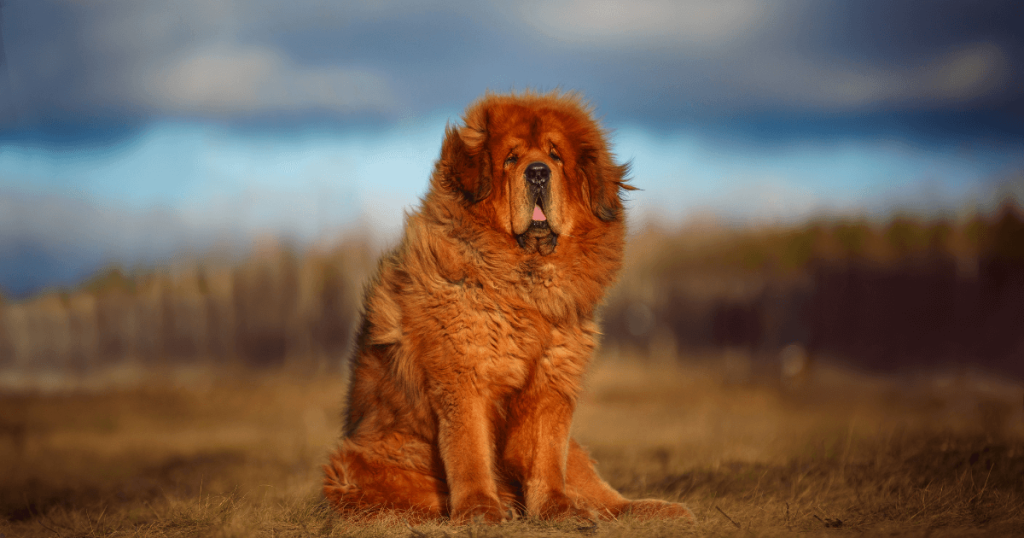
Tibetan Mastiffs are imposing dogs, characterised by their massive size, powerful build, and thick double coat. The coat provides insulation against extreme temperatures. Common colours include black, black and tan, brown, blue-grey, and gold, often with tan markings. A distinctive feature is the “mane” around their neck, particularly prominent in males. Their heads are large and broad, with a strong muzzle and deep-set eyes. What makes Tibetan Mastiff unique is their imposing stature.
5. Temperament and Personality
What’s Their True Nature? Independent, Loyal, and Watchful
The temperament and personality of a Tibetan Mastiff is defined by independence, intelligence, and a strong protective instinct. They are naturally aloof with strangers, making them excellent watchdogs. With their families, they are fiercely loyal and affectionate, though not overly demonstrative. Early socialization is crucial to prevent excessive guarding behaviour. How to care for a Tibetan Mastiff dog includes understanding this breed’s protective nature.
Pros:
- Loyal
- Protective
- Intelligent
- Independent
- Relatively low-energy indoors
Cons:
- Can be aloof
- Independent
- Challenging to train for inexperienced owners
- Prone to guarding behaviour

6. Training and Socialisation
Raising a Well-Behaved Tibetan Mastiff: Consistency is Key
Training a Tibetan Mastiff requires patience, consistency, and an understanding of their independent nature. Positive reinforcement methods work best, but they need to be implemented with a firm and consistent approach. Early socialization is paramount, exposing them to various people, places, and sounds from a young age to prevent fear-based aggression. How to care for a Tibetan Mastiff dog includes understanding that they need dedicated socialization and training. Address common challenges: Their independence and guarding instincts. Overcome those challenges with proper, early training.
7. Exercise and Activity Needs
Keeping Them Active and Happy: Quality Over Quantity
While Tibetan Mastiffs are large dogs, their exercise needs are surprisingly moderate. They are not high-energy breeds and are content with daily walks and some playtime in a securely fenced yard. Mental stimulation is equally important, as they are intelligent dogs who need to be challenged.
Suggested activities:
- Daily walks
- Puzzle toys
- Scent work
- Guarding their property
8. Nutrition and Dietary Needs
Feeding Your Tibetan Mastiff Right: A Balanced Diet for a Giant Breed
Tibetan Mastiffs require a high-quality diet formulated for large-breed dogs. It is crucial to feed them an appropriate amount to prevent obesity, which can exacerbate joint problems. Puppies should be fed a diet specifically designed for large-breed puppies to ensure proper growth and prevent developmental issues. How to care for a Tibetan Mastiff dog also includes ensuring they have proper nutrition! Recommended feeding schedule based on age (puppy, adult, senior).

9. Grooming and Coat Care
Caring for Their Signature Look: Managing the Mane
Tibetan Mastiffs have a thick double coat that requires regular grooming to prevent matting and tangles. They shed moderately year-round, with heavier shedding during seasonal changes. Regular brushing with a slicker brush and undercoat rake is essential.
Coat type: Thick double coat.
Grooming frequency: 2-3 times a week; more frequent during shedding season.
10. Common Health Issues
Staying Healthy and Happy: Awareness and Prevention
Common health issues in Tibetan Mastiff dogs and prevention includes being prone to certain health problems, including hip and elbow dysplasia, hypothyroidism, progressive retinal atrophy (PRA), bloat, and certain heart conditions. Regular veterinary check-ups and a healthy lifestyle can help prevent or manage these issues. Responsible breeders screen their dogs for these conditions to minimize their occurrence. Understanding common health issues in Tibetan Mastiff dogs and prevention is key to responsible pet ownership.
11. Fun Facts
Did You Know? Secrets of the Tibetan Mastiff
- Tibetan Mastiffs were once believed to possess mystical powers.
- They can survive in extreme high-altitude environments.
- They are one of the oldest dog breeds in the world.
12. Is a Tibetan Mastiff Right for You?
Who’s the Perfect Match? An Experienced Owner in a Spacious Home
The ideal owner for a Tibetan Mastiff is an experienced dog owner who understands the breed’s independent nature and guarding instincts. They need a spacious environment where they can roam and guard their territory. They are not well-suited for apartment living or inexperienced dog owners.
Active vs. laid-back lifestyles: They don’t need extensive exercise, but they need a dedicated owner.
Family-oriented vs. solo owner: Good with families but are very protective of them.

13. FAQs
Common Questions About Tibetan Mastiffs
How much exercise does a Tibetan Mastiff need?
Tibetan Mastiffs need a moderate amount of exercise, about 30-60 minutes of walking.
Are they good with kids?
With early socialization, Tibetan Mastiffs can be good with children.
Do they shed a lot?
They shed a moderate amount year-round and heavily during seasonal changes.
13. Conclusion
The Tibetan Mastiff is a unique and powerful breed with a rich history. Their loyalty and protective nature make them excellent guardians, but they require experienced owners who understand their specific needs. If you’re looking for a majestic and independent companion, the Tibetan Mastiff might be the perfect fit.
Do you have a Tibetan Mastiff? Share your experiences and photos in the comments below! Or check out our other articles on guarding dog breeds!

At Pet Care Community, our team of passionate pet lovers, writers, and veterinary-approved experts share reliable tips, guides, and resources to help you give your furry friends the happiest and healthiest life possible. From dog breeds and training advice to nutrition, wellness, and pet parenting hacks, we’re here to support every step of your journey as a pet parent.