

1. Introduction: The Undisputed “Nanny Dog”
Curious if a Staffordshire Bull Terrier is right for you? Keep reading to find out!
2. Quick Overview
| Characteristic | Description |
|---|---|
| Breed Name: | Staffordshire Bull Terrier |
| Breed Group: | Terrier |
| Origin: | England |
| Size: | Medium (36–41 cm tall at the shoulder, 11–17 kg) |
| Lifespan: | 12–14 years |
| Coat: | Short, smooth, close-lying coat |
| Coat Colours: | Black, blue, fawn, red, brindle, white, or any of these with white markings |
| Temperament: | Bold, affectionate, loyal, courageous, energetic |
| Exercise Needs: | High (daily physical activity required) |
| Grooming Needs: | Low (occasional brushing) |
| Trainability: | Good (benefits from consistent, positive reinforcement training) |
| Common Health Issues: | Hip dysplasia, hereditary cataracts, skin allergies, L-2-HGA (L-2-hydroxyglutaric aciduria) |
| Best Suited For: | Active families, experienced dog owners, homes with secure yards |
3. History and Origin: From Fighting Pits to Family Homes
Where It All Began
The Staffordshire Bull Terrier’s history is inextricably linked to blood sports in 19th-century England. When bull-baiting and bear-baiting were outlawed, the focus shifted to dogfighting. Breeders sought to create a smaller, faster, and more agile dog than the larger bulldogs previously used. This led to crosses between bulldogs and various terriers, including the now-extinct Old English Terrier and the Black and Tan Terrier.
The resulting dogs, known as “Bull and Terriers” or “Pit Bull Terriers,” were bred for courage, tenacity, and a high pain tolerance. When dogfighting was outlawed in 1835, enthusiasts continued the practice illegally, further refining the breed.
In the late 19th century, a movement began to distance the breed from its violent past. Breeders focused on developing a more even temperament and emphasizing the dog’s loyalty and affection towards humans, especially children. The breed was officially recognised by The Kennel Club (UK) in 1935 as the Staffordshire Bull Terrier. The name “Staffordshire” was chosen to reflect the region of England where the breed was particularly popular. The American Kennel Club recognised the breed in 1975.
4. Physical Characteristics: A Study in Strength and Agility
What Makes the Staffordshire Bull Terrier Unique?
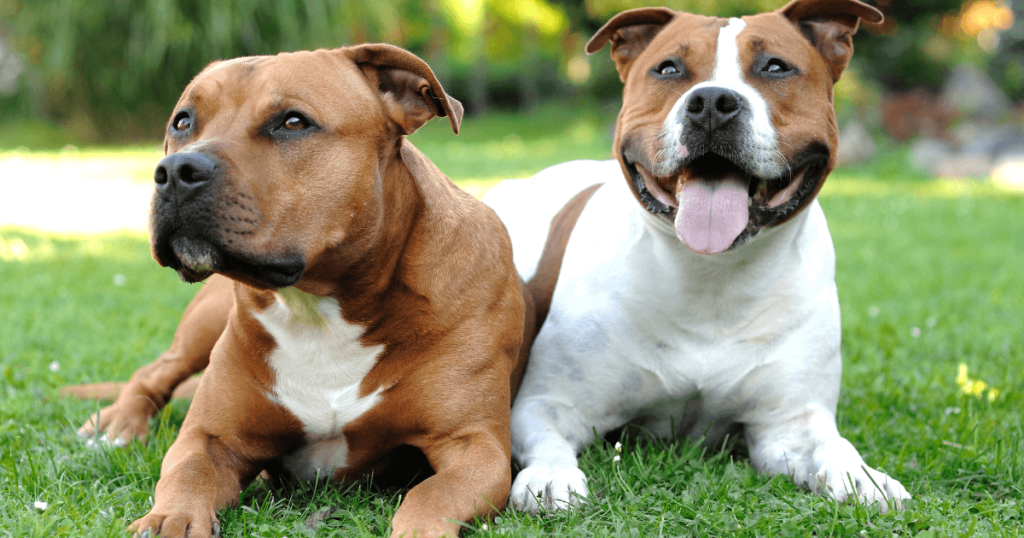
Staffordshire Bull Terriers are powerfully built, muscular dogs that exude strength and agility. They have a broad head, a short muzzle, and a distinctive “Staffy smile.” Their coats are short, smooth, and close-fitting, coming in a variety of colours, including red, fawn, white, black, blue, or any of these colours with white. Brindle patterns are also common.
They are medium-sized dogs, standing 35-40 cm tall at the shoulder and weighing between 11 and 18 kilograms. Their compact build and strong legs give them excellent balance and power. Their ears can be rose-shaped or half-pricked.
5. Temperament and Personality: A Loving Heart in a Powerful Package
What’s Their True Nature?
Staffordshire Bull Terriers are known for their courage, intelligence, and, most importantly, their unwavering affection for their families. They are particularly good with children, earning their “nanny dog” reputation. However, this term should not be taken literally, and adult supervision is always necessary when children and dogs interact.
They are generally playful and energetic, enjoying games and activities with their owners. They can also be stubborn and independent, requiring consistent and positive reinforcement training. Early socialisation is crucial to ensure they are comfortable and well-behaved around other dogs and strangers. Due to their history, some Staffies may exhibit dog aggression, particularly towards dogs of the same sex.
- Pros: Loyal, affectionate, playful, good with children (with supervision), intelligent, relatively low-maintenance grooming.
- Cons: Can be stubborn, prone to dog aggression, high prey drive (may chase smaller animals), requires early and consistent training.
6. Training and Socialisation: Building a Strong Bond
Raising a Well-Behaved Staffordshire Bull Terrier
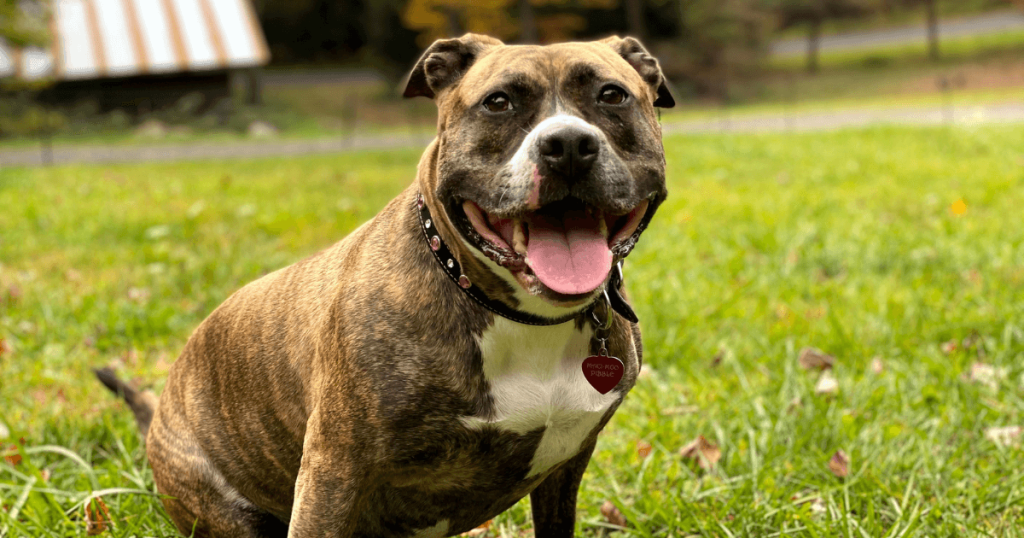
Training a Staffordshire Bull Terrier requires patience, consistency, and positive reinforcement. They are intelligent dogs but can be stubborn, so it’s essential to start training early and be firm but fair. Focus on positive reinforcement techniques such as treats, praise, and toys to motivate them.
Early socialisation is crucial. Expose your Staffy puppy to a variety of people, dogs, and environments from a young age to help them develop into a well-adjusted adult. Enrol in puppy classes and continue with obedience training as they grow.
Common challenges include:
- Leash pulling: Use a front-clip harness or head halter to improve control.
- Dog aggression: Manage their environment carefully and seek professional guidance from a certified dog trainer or behaviourist if needed.
- Chewing: Provide plenty of appropriate chew toys and rotate them regularly to keep them interested.
7. Exercise and Activity Needs: A Balance of Energy and Relaxation
Keeping Them Active and Happy
Staffordshire Bull Terriers have moderate exercise needs. They require at least one to two hours of exercise per day to stay physically and mentally healthy. This can include walks, runs, playtime in the park, or interactive games like fetch or tug-of-war.
Without sufficient exercise, Staffies can become bored and destructive. Provide them with plenty of opportunities to burn off energy. Agility training can be a great way to challenge them mentally and physically.
8. Nutrition and Dietary Needs: Fueling Their Powerful Physique
Feeding Your Staffordshire Bull Terrier Right
A high-quality dog food that is appropriate for their age and activity level is essential for Staffies. Choose a food that is rich in protein to support their muscular build. Avoid foods that are high in fillers or artificial ingredients.
Puppies require more frequent feedings and a diet specifically formulated for puppies to support their growth and development. Adult dogs typically eat two meals per day. Senior dogs may benefit from a diet that is lower in calories and higher in fibre. Be careful not to overfeed them, as obesity can contribute to health problems.

9. Grooming and Coat Care: Easy to Maintain
Caring for Their Signature Look
Staffordshire Bull Terriers are relatively low-maintenance when it comes to grooming. Their short, smooth coat requires minimal brushing. A weekly brushing with a rubber curry brush or grooming mitt will help remove loose hair and keep their coat shiny.
Bathe them only when necessary, as frequent bathing can strip their coat of its natural oils. Trim their nails regularly to prevent overgrowth and discomfort. Clean their ears regularly to prevent infections.
10. Common Health Issues: Staying Healthy and Happy
Staying Healthy and Happy
Staffordshire Bull Terriers are generally healthy dogs, but they are prone to certain health issues, including:
- Hip Dysplasia: A malformation of the hip joint.
- Skin Allergies: Often caused by food or environmental allergens.
- Cataracts: Clouding of the lens of the eye.
- L-2-Hydroxyglutaric Aciduria (L-2HGA): A genetic metabolic disorder.
Preventative care is crucial. Regular vet check-ups, a healthy diet, and appropriate exercise can help minimise the risk of these health problems. Responsible breeders screen their dogs for genetic conditions.
11. Fun Facts: Did You Know?
Did You Know?
- Staffordshire Bull Terriers are known for their “Staffy smile,” a wide, goofy grin that is sure to melt your heart.
- They are often called “Velcro dogs” because they love to be close to their owners.
- Despite their tough appearance, they are surprisingly sensitive and thrive on affection.
- The average litter size for a Staffy is 5-6 puppies

12. Is a Staffordshire Bull Terrier Right for You?
Who’s the Perfect Match?
Staffordshire Bull Terriers are best suited for active owners who can provide them with consistent training, plenty of exercise, and lots of love and attention. They need a home where they will be included as part of the family. Due to their potential for dog aggression, they may not be the best choice for homes with multiple dogs unless carefully managed.
They are well-suited for families with children, provided they are properly socialised and supervised. They are also a good choice for single individuals or couples who are looking for a loyal and affectionate companion.
13. FAQs
Common Questions About Staffordshire Bull Terriers
How much exercise does a Staffordshire Bull Terrier need?
One to two hours of exercise per day.
Are Staffies good with kids?
Yes, with proper socialisation and supervision.
Do they shed a lot?
They shed moderately, especially during shedding seasons.
Are they easy to train?
They can be stubborn, but respond well to positive reinforcement and consistent training.
What is their average lifespan?
12-14 years.
14. Conclusion: A Breed That Wins Hearts
The Staffordshire Bull Terrier is a breed with a rich and complex history. From their origins in blood sports to their modern-day role as loving family companions, they have proven their adaptability and resilience. While they require consistent training and socialisation, the rewards of owning a Staffy are immeasurable. Their loyalty, affection, and playful nature make them a truly special breed that can win the hearts of those who are willing to understand and appreciate their unique qualities.
Have a Staffordshire Bull Terrier? Share your story in the comments below!

At Pet Care Community, our team of passionate pet lovers, writers, and veterinary-approved experts share reliable tips, guides, and resources to help you give your furry friends the happiest and healthiest life possible. From dog breeds and training advice to nutrition, wellness, and pet parenting hacks, we’re here to support every step of your journey as a pet parent.