

Introduction
This article explores the Spoodle’s history, provides essential care tips, delves into training techniques, and highlights common health concerns, ensuring you’re well-equipped to provide the best life for your Spoodle.
Curious if a Spoodle is the perfect fit for your family? Keep reading!
Quick Overview
| Feature | Description |
|---|---|
| Breed Name | Spoodle (also known as Cockapoo) |
| Origin | United States |
| Size | Small to Medium (depending on parent breeds) |
| Weight | 5-11 kg (12-24 lbs) |
| Lifespan | 12-15 years |
| Temperament | Affectionate, Intelligent, Playful, Sociable |
| Grooming Needs | Moderate to High (regular brushing and trimming needed) |
| Exercise Needs | Moderate |
| Trainability | High |
History and Origin
Where It All Began
The Spoodle, also frequently referred to as the Cockapoo, doesn’t have a long, storied history like some ancient breeds. It is considered a “designer dog,” intentionally bred from a Cocker Spaniel (usually American or English Cocker Spaniel) and a Poodle (often a Miniature or Toy Poodle). The breed’s origin lies in the United States, with the first intentional crosses likely occurring in the 1960s.
The initial goal was to create a hypoallergenic dog (though no dog is truly 100% hypoallergenic) with the friendly, outgoing personality of a Cocker Spaniel. The Poodle’s intelligence and low-shedding coat made it an ideal choice for the cross.
Interestingly, the Spoodle’s popularity grew organically. Early breeders focused on producing healthy, happy dogs, rather than adhering to strict breed standards. This has resulted in some variation in appearance and temperament, making each Spoodle unique. While not recognized by major kennel clubs like the American Kennel Club or the UK Kennel Club, the Spoodle has gained immense popularity as a family pet due to its charming personality and relatively low-shedding coat.
Physical Characteristics
What Makes the Spoodle Unique?
Spoodles are small to medium-sized dogs, with their exact size depending on the size of the Poodle parent. They typically weigh between 5 and 11 kilograms and stand approximately 25 to 38 centimeters tall at the shoulder.
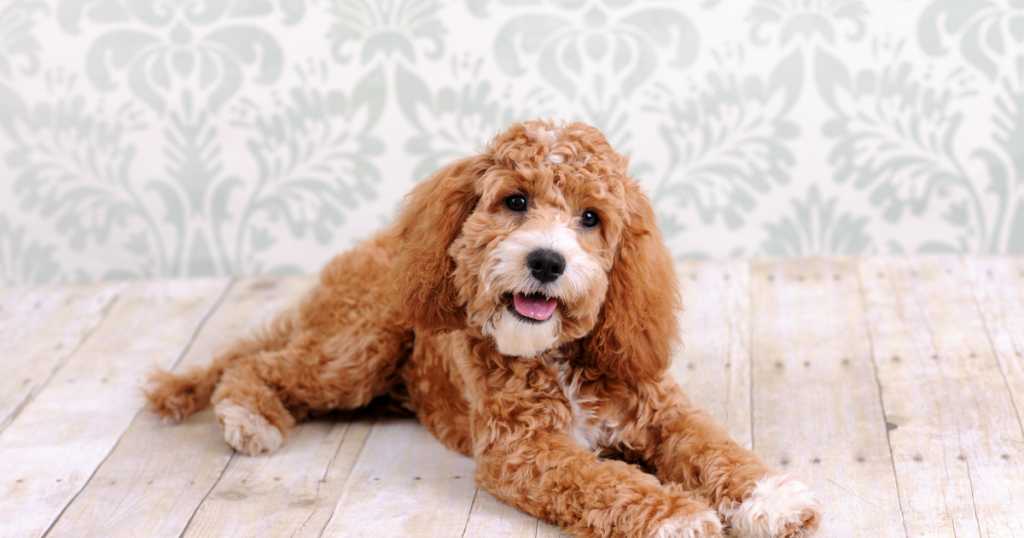
Their most distinctive feature is their coat. Spoodles have a curly or wavy coat that is usually soft and fluffy. The coat comes in a wide variety of colours, including black, white, cream, apricot, chocolate, and parti-colour (a mix of colours).
Other physical characteristics include:
- Head: Round with a moderate muzzle.
- Ears: Long and floppy, inherited from the Cocker Spaniel.
- Eyes: Expressive and dark, often brown.
- Tail: Can be long or docked (depending on local regulations and breeder preference).

Temperament and Personality
What’s Their True Nature?
Spoodles are renowned for their friendly, affectionate, and playful temperament. They are generally sociable dogs that get along well with children, other dogs, and even cats, especially if socialized early.
They are intelligent dogs, inheriting this trait from the Poodle, which makes them relatively easy to train. They are eager to please their owners and respond well to positive reinforcement techniques.
Spoodles are also known for being sensitive and empathetic. They form strong bonds with their families and can be prone to separation anxiety if left alone for extended periods.
Pros:
- Affectionate and loving
- Intelligent and trainable
- Playful and energetic
- Good with children and other pets
- Relatively low-shedding
Cons:
- Can be prone to separation anxiety
- May bark excessively if not properly trained
- Requires regular grooming
- Can be sensitive and easily startled
Training and Socialisation
Raising a Well-Behaved Spoodle
Early socialisation is crucial for Spoodles. Expose them to a variety of people, places, sounds, and experiences from a young age. Puppy classes are an excellent way to socialise your Spoodle and teach them basic obedience commands.
Spoodles respond well to positive reinforcement training methods, such as rewarding them with treats, praise, or toys when they perform the desired behaviour. Consistency is key. Keep training sessions short, fun, and engaging to keep your Spoodle motivated.
Common challenges:
- Barking: Spoodles can be prone to barking, especially if they are bored or anxious. Address this issue early with training and enrichment activities.
- Separation Anxiety: Spoodles thrive on companionship. Gradual desensitisation to being alone can help prevent or manage separation anxiety.
Exercise and Activity Needs
Keeping Them Active and Happy
Spoodles have moderate energy levels and require regular exercise to stay happy and healthy. A daily walk of 30-60 minutes is usually sufficient, along with some playtime in the backyard or at a park.
Suggested activities:
- Walks: Daily walks are essential for physical and mental stimulation.
- Playtime: Fetch, tug-of-war, and puzzle toys are great ways to keep your Spoodle entertained.
- Agility Training: Spoodles are intelligent and agile, making them excellent candidates for agility training.
- Swimming: Many Spoodles enjoy swimming, which is a great low-impact exercise.

Nutrition and Dietary Needs
Feeding Your Spoodle Right
Spoodles require a high-quality dog food that is appropriate for their age, size, and activity level. Look for a food that lists meat as the primary ingredient and is free from artificial colours, flavours, and preservatives.
Recommended feeding schedule:
- Puppies (8-16 weeks): Four small meals per day.
- Puppies (4-6 months): Three meals per day.
- Adults (over 6 months): Two meals per day.
Portion sizes will vary depending on the specific food and your Spoodle’s individual needs. Consult with your veterinarian to determine the appropriate amount to feed your Spoodle.
Grooming and Coat Care
Caring for Their Signature Look
Spoodles require regular grooming to prevent matting and tangles. Their curly or wavy coat needs to be brushed several times a week, ideally daily.
Grooming frequency and tools needed:
- Brushing: Daily with a slicker brush and metal comb.
- Bathing: Every 1-2 months, or as needed. Use a dog-specific shampoo and conditioner.
- Trimming: Every 6-8 weeks to maintain a manageable coat length.
- Ear Cleaning: Weekly to prevent ear infections (due to their floppy ears).
- Nail Trimming: As needed, usually every 2-3 weeks.
Common Health Issues
Staying Healthy and Happy
Spoodles are generally healthy dogs, but they are prone to certain health conditions, including:
- Progressive Retinal Atrophy (PRA): A degenerative eye disease that can lead to blindness.
- Hip Dysplasia: A condition where the hip joint doesn’t develop properly.
- Patellar Luxation: A condition where the kneecap slips out of place.
- Ear Infections: Due to their floppy ears, Spoodles are prone to ear infections.
Preventative care tips:
- Regular vet check-ups: At least once a year for routine check-ups and vaccinations.
- Healthy diet and exercise: Maintain a healthy weight to reduce the risk of joint problems.
- Ear cleaning: Clean your Spoodle’s ears regularly to prevent infections.
- Genetic testing: Reputable breeders will screen their dogs for genetic health conditions.

Fun Facts
Did You Know?
- Spoodles are sometimes called “Cockapoos” depending on where you live.
- The Spoodle’s coat can vary greatly, even within the same litter.
- Spoodles are often used as therapy dogs due to their gentle and affectionate nature.
Is a Spoodle Right for You?
Who’s the Perfect Match?
Spoodles are a good fit for:
- Families with children
- Individuals or couples looking for a companion dog
- People who are willing to provide regular exercise and grooming
- People who want an intelligent and trainable dog
- People with allergies, although they are not 100% hypoallergenic
Spoodles may not be a good fit for:
- People who are gone for long periods of time each day
- People who are not willing to provide regular exercise and grooming
- People who prefer a very independent dog
FAQs
Common Questions About Spoodles
- How much exercise does a Spoodle need?Spoodles need about 30-60 minutes of exercise per day, including walks and playtime.
- Are Spoodles good with kids?Yes, Spoodles are generally good with kids, especially if they are socialised early.
- Do Spoodles shed a lot?Spoodles are considered low-shedding, but they still require regular grooming.
Conclusion
Spoodles are loving, intelligent, and playful companions that make wonderful family pets. With proper care, training, and socialisation, a Spoodle can bring years of joy to your life. If you’re looking for a dog that is affectionate, adaptable, and relatively low-shedding, the Spoodle may be the perfect breed for you.
Do you have a Spoodle? Share your experiences and tips in the comments below! What’s your favourite thing about your Spoodle?

At Pet Care Community, our team of passionate pet lovers, writers, and veterinary-approved experts share reliable tips, guides, and resources to help you give your furry friends the happiest and healthiest life possible. From dog breeds and training advice to nutrition, wellness, and pet parenting hacks, we’re here to support every step of your journey as a pet parent.