

1. Introduction
This article dives into the breed’s history, care requirements, training tips, common health issues, and what makes them a unique and cherished companion.
Intrigued by the Wheaten’s charm? Read on to discover if this delightful breed is the right fit for your home and lifestyle!
2. A Quick Look at the Wheaten
| Characteristic | Description |
|---|---|
| Breed Name: | Soft Coated Wheaten Terrier |
| Breed Group: | Terrier |
| Origin: | Ireland |
| Size: | Medium (43–48 cm tall, 14–20 kg) |
| Lifespan: | 12–15 years |
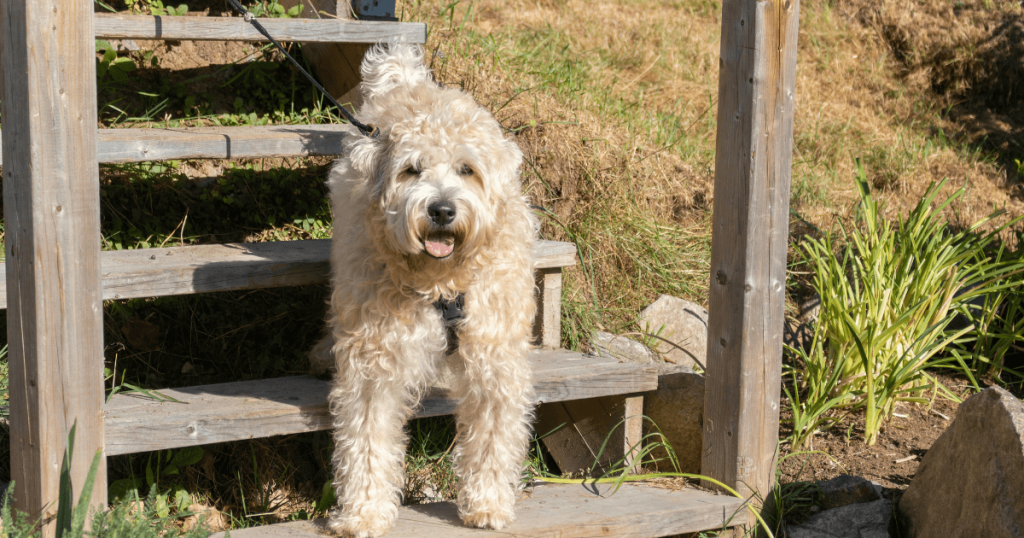
| Coat: | Soft, silky, wavy, single coat (wheaten colour) |
| Grooming Needs: | High (regular brushing and professional grooming required) |
| Temperament: | Friendly, lively, alert, affectionate, playful |
| Exercise Needs: | Moderate to high (daily walks and playtime) |
| Trainability: | Good (responds well to positive reinforcement) |
| Common Health Issues: | Protein-losing nephropathy (PLN), protein-losing enteropathy (PLE), renal dysplasia |
| Best Suited For: | Active families, allergy-sensitive homes (low-shedding), owners willing to maintain grooming needs |
3. History and Origin
Ireland’s Best-Kept Secret: The Wheaten’s Rise
The Soft Coated Wheaten Terrier breed history and origin is deeply rooted in Ireland. They are believed to have originated centuries ago as an all-purpose farm dog, working alongside farmers to herd livestock, control vermin, and guard property. Though historical records are scarce, it’s thought they share ancestry with the Irish Terrier and the Kerry Blue Terrier. They were often called the “poor man’s dog” because their versatility made them invaluable to farmers who couldn’t afford to keep multiple specialized breeds. They remained relatively unknown outside of Ireland until the 20th century. The Soft Coated Wheaten Terrier wasn’t officially recognised by the Irish Kennel Club until 1937 and by the American Kennel Club in 1973. Their popularity has steadily grown since then, as people around the world discover their charm and adaptability.
4. Physical Characteristics
What Makes a Wheaten, a Wheaten?
Soft Coated Wheaten Terriers are medium-sized dogs, typically standing between 43 and 51 cm tall at the shoulder and weighing between 13 and 18 kg. Their most distinctive feature is their soft, wavy coat, which is a wheaten colour—ranging from pale beige to a warm golden hue. Unlike many terriers, they don’t have a wiry outer coat. Instead, their single coat is soft and silky to the touch. Wheaten puppies are often born with darker coats that lighten as they mature. Their tails are typically docked in countries where it is legal (though this practice is becoming less common), and they have dark, expressive eyes that reflect their playful nature.
5. Temperament and Personality
Sunshine on Four Legs: Understanding the Wheaten Temperament
Wheaten Terriers are known for their affectionate, playful, and intelligent personalities. They are generally good with children and make excellent family pets, provided they are properly socialised from a young age. They tend to be enthusiastic greeters, often expressing their joy with a “Wheaten greetin’,” a bouncy, energetic welcome. While they are intelligent and eager to please, they can also be independent and somewhat stubborn, which can present challenges during training. They are alert barkers, making them decent watchdogs, but their friendly nature usually prevents them from being effective guard dogs.
- Pros: Affectionate, playful, good with kids, intelligent, adaptable.
- Cons: Can be stubborn, requires regular grooming, prone to certain health issues.
6. Training and Socialisation
Patience and Positivity: Training Your Wheaten Terrier
Early socialisation is crucial for Soft Coated Wheaten Terriers to ensure they develop into well-adjusted adults. Expose them to a variety of people, places, and situations from a young age to help them build confidence and prevent shyness or aggression. Training should be consistent and positive, using rewards and praise to motivate them. Their intelligence means they can learn quickly, but their independent streak requires patience and understanding. Focus on basic obedience commands like sit, stay, and come, and consider enrolling in puppy classes or advanced training programs. Addressing their barking habit early on is also recommended.
7. Exercise and Activity Needs
Keeping the Bounce in Their Step: Exercise for Wheaten Terriers
Wheaten Terriers have moderate to high energy levels and require regular exercise to stay happy and healthy. Aim for at least 30-60 minutes of exercise per day, which can include walks, runs, playtime in the backyard, or interactive games like fetch or frisbee. They also benefit from mental stimulation, such as puzzle toys or training sessions. Without sufficient exercise, they can become bored and destructive.
Suggested activities: Daily walks, agility training, playing fetch, interactive games.

8. Nutrition and Dietary Needs
Fueling the Fun: Diet and Nutrition for Wheaten Terriers
Feed your Wheaten Terrier a high-quality dog food that is appropriate for their age, size, and activity level. Look for foods that list meat as the primary ingredient and avoid those with excessive fillers or artificial additives. Follow the feeding guidelines provided by the food manufacturer, and adjust portion sizes as needed to maintain a healthy weight. Avoid feeding them table scraps or other human foods, as these can lead to digestive upset or weight gain. Ensure they have access to fresh, clean water at all times.
9. Grooming and Coat Care
Maintaining the Wheaten Glow: Grooming Tips and Tricks
The Soft Coated Wheaten Terrier’s coat requires regular grooming to prevent mats and tangles. Brush them several times a week with a slicker brush and a metal comb to remove loose hair and keep their coat looking its best. They also need to be trimmed every few weeks to maintain their distinctive appearance. Many owners opt to have their Wheatens professionally groomed. Bathe them as needed, usually every few weeks, using a dog-specific shampoo. Pay attention to their ears, cleaning them regularly to prevent infections, and trim their nails as needed to prevent overgrowth.
10. Common Health Issues
Staying Healthy and Happy: Common Wheaten Health Concerns
While generally a healthy breed, Soft Coated Wheaten Terriers are prone to certain health issues. Protein-losing nephropathy (PLN) and protein-losing enteropathy (PLE) are two serious conditions that can affect their kidneys and intestines, respectively. They are also susceptible to progressive retinal atrophy (PRA), a degenerative eye disease that can lead to blindness, and hip dysplasia, a condition that affects the hip joint. Responsible breeders screen their dogs for these conditions to minimise the risk of passing them on to their offspring. Regular vet check-ups are essential for early detection and treatment of any health problems.
11. Fun Facts
Did You Know? Wheaten Terrier Trivia!
- Wheaten Terriers don’t shed much, making them a good choice for people with allergies (though no dog is truly hypoallergenic).
- They were originally bred to hunt rats and other vermin on Irish farms.
- Wheaten puppies are born with darker coats that lighten as they mature.
- The “Wheaten greetin'” is a signature move where they jump and wiggle with excitement when greeting people.

12. Is a Soft Coated Wheaten Terrier Right for You?
Finding the Perfect Match: Is a Wheaten in Your Future?
Soft Coated Wheaten Terriers are best suited for active families or individuals who can provide them with plenty of exercise, attention, and grooming. They thrive in homes where they are included in family activities and receive consistent training and socialisation. Their playful nature makes them good companions for children, but supervision is always necessary. If you are looking for a loving, loyal, and energetic dog who will bring joy and laughter to your home, a Wheaten Terrier might be the perfect choice.
13. FAQs
Common Questions About Soft Coated Wheaten Terriers
How much exercise does a Wheaten Terrier need?
They need at least 30-60 minutes of exercise per day, including walks, playtime, and mental stimulation.
Are Wheaten Terriers good with kids?
Yes, generally, when properly socialised from a young age.
Do Wheaten Terriers shed a lot?
They shed very little, but they require regular grooming to prevent mats and tangles.
Are Wheaten Terriers easy to train?
They are intelligent but can be stubborn, so patience and positive reinforcement are key.
What is the average lifespan of a Wheaten Terrier?
12-15 years
What are the common health concerns for this breed?
The common health issues includes Protein-losing nephropathy (PLN) and protein-losing enteropathy (PLE), progressive retinal atrophy (PRA), and hip dysplasia.
14. Conclusion
Soft Coated Wheaten Terriers are delightful dogs with a unique combination of charm, intelligence, and energy. Their playful personalities and soft, wheat-coloured coats make them a beloved breed around the world. However, they require a commitment to regular grooming, training, and exercise.
Do you have a Wheaten Terrier? Share your stories and tips in the comments below! And be sure to check out our other articles on dog breeds and care!

At Pet Care Community, our team of passionate pet lovers, writers, and veterinary-approved experts share reliable tips, guides, and resources to help you give your furry friends the happiest and healthiest life possible. From dog breeds and training advice to nutrition, wellness, and pet parenting hacks, we’re here to support every step of your journey as a pet parent.