

Introduction
Don’t let their adorable appearance fool you! Toy Poodles are more than just fluffy companions; they’re intelligent, athletic, and surprisingly robust little dogs. This article will delve into the Toy Poodle’s fascinating history, provide practical care tips, highlight essential training techniques, and offer valuable insights into their common health issues. Intrigued by these pint-sized powerhouses? Read on to discover if a Toy Poodle is the perfect addition to your life!

Breed Overview
| Characteristic | Details |
|---|---|
| Breed Name | Toy Poodle |
| Origin | Germany/France (disputed) |
| Size | Height: Up to 10 inches (25 cm); Weight: 4-6 pounds (1.8-2.7 kg) |
| Lifespan | 14-18 years |
| Temperament | Intelligent, Active, Trainable, Alert, Social |
| Coat Type | Curly, dense, hypoallergenic (relatively) |
| Color | White, black, brown, apricot, cream, silver, and parti-colored |
| Grooming Needs | High; Requires professional grooming every 4-6 weeks |
| Exercise Needs | Moderate; Daily walks and playtime |
| Training | Highly trainable; excels in obedience and agility |
| Health Concerns | Progressive Retinal Atrophy (PRA), Legg-Calvé-Perthes Disease, Patellar Luxation, Tracheal Collapse |
| Best Suited For | Families, singles, seniors, apartment dwellers who are willing to provide grooming and mental stimulation |
| Price Range | $1,000 – $5,000+ (depending on breeder reputation, pedigree, and color) |
From Water Retrievers to Lapdogs: The Toy Poodle’s Journey
The Poodle, in general, originated in Germany as a water retrieving dog, called “Pudel” in German, meaning “to splash in water”. They were bred for their intelligence and swimming ability. The French, however, embraced the breed, particularly the smaller sizes. The Toy Poodle emerged as a distinct size variant through selective breeding, primarily for companionship. This miniaturization made them popular among the French aristocracy. The characteristic “poodle clip” initially served a functional purpose, protecting joints from cold water while allowing freedom of movement.
As a veterinarian, I’ve always been fascinated by how breeds evolve to meet human needs. The Toy Poodle’s transition from a working dog to a beloved companion is a testament to their adaptability and intelligence. Breeders skillfully refined the breed, emphasizing their small size and appealing temperament, resulting in the charming Toy Poodle we know today.
Genetic studies are increasingly focusing on understanding the genes responsible for size and coat characteristics in Poodles, allowing breeders to make more informed choices and reduce the risk of size-related health problems in Toy Poodles.
Tiny But Mighty: Decoding the Toy Poodle’s Appearance
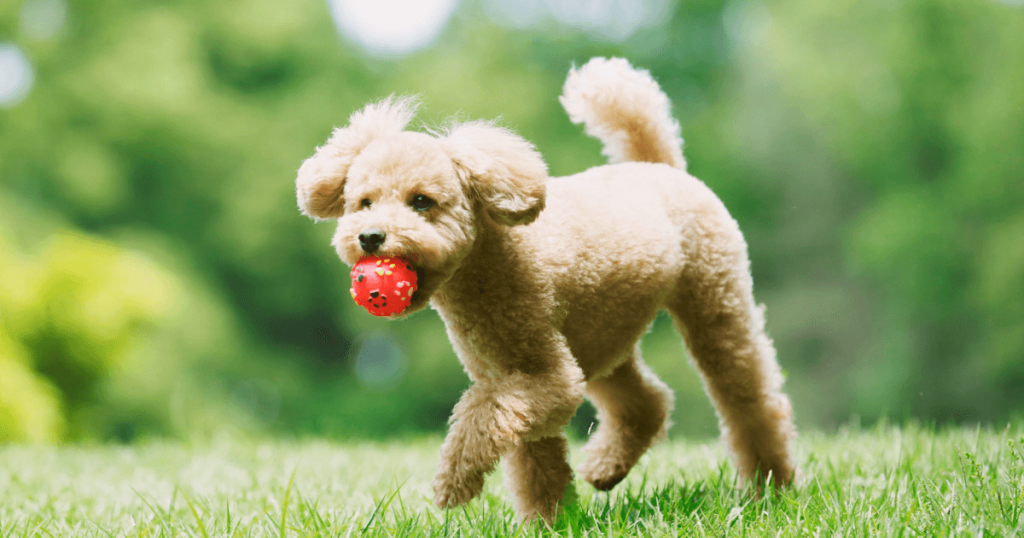
Toy Poodles stand no more than 10 inches tall. Their coat is their most distinctive feature – dense, curly, and hypoallergenic (though no dog is truly 100% hypoallergenic). The coat comes in a variety of solid colours. Their eyes are dark and almond-shaped, and their tail is typically docked (though increasingly undocked tails are becoming more common). Their gait is springy and elegant.
I’ve seen many owners overwhelmed by the variety of poodle clips! While the traditional “lion clip” is iconic, many opt for simpler, more practical styles. The key is to find a groomer experienced with Poodles who can advise on the best style for your dog’s coat and your lifestyle.
Expect to see more emphasis on ethical breeding practices that prioritize health and temperament over purely aesthetic traits, leading to Toy Poodles with stronger builds and fewer genetic predispositions.
Brains and Beauty: Understanding the Toy Poodle’s Personality
Toy Poodles are known for their intelligence, eagerness to please, and playful nature. They are highly trainable and excel in obedience and agility. They can be prone to separation anxiety if left alone for extended periods. Early socialization is crucial to prevent shyness or nervousness. While generally friendly, they can be reserved with strangers.
From my experience, early socialization is paramount. Expose your Toy Poodle puppy to various sights, sounds, people, and other dogs to build their confidence and prevent behavioural issues down the road. I often advise owners to enroll in puppy classes for socialization and basic training.
The increasing use of behavioural genetics may help breeders select dogs with more stable temperaments, further reducing the risk of anxiety and reactivity in Toy Poodles.
Pros:
- Intelligent
- Trainable
- Hypoallergenic (relatively)
- Affectionate
- Good with families
Cons:
- High grooming needs
- Prone to separation anxiety
- Can be yappy if not properly trained
Raising a Well-Behaved Toy Poodle
Positive reinforcement methods work best with Toy Poodles. Their intelligence means they learn quickly, but consistency is key. Address potential behavioral issues like excessive barking or resource guarding early on. Crate training can provide a safe and secure space and help prevent separation anxiety.
I always emphasize the importance of positive reinforcement. Reward good behaviour with treats, praise, or toys. Avoid punishment, as it can damage your relationship with your dog and lead to fear and anxiety.
Online training resources and personalized training apps will become increasingly prevalent, offering owners convenient and tailored training plans for their Toy Poodles.
Keeping Them Active and Happy
Toy Poodles have moderate exercise needs. Daily walks, playtime in the yard, and interactive games are essential. They also require mental stimulation to prevent boredom. Puzzle toys and training sessions can keep them mentally engaged.
While they don’t require extensive exercise, Toy Poodles are intelligent and need mental stimulation. I recommend rotating toys regularly to keep them interested and engaged.
Wearable technology (e.g., activity trackers for dogs) will become more sophisticated, allowing owners to monitor their Toy Poodle’s activity levels and adjust their exercise routine accordingly.
Feeding Your Toy Poodle Right
Feed your Toy Poodle a high-quality dog food formulated for small breeds. Avoid overfeeding, as they are prone to obesity. Portion control is crucial. Consider a diet that is easily digestible and appropriate for their age and activity level.
Obesity is a common problem in Toy Poodles, so it’s essential to monitor their weight and adjust their food intake accordingly. Talk to your vet about the best food for your dog’s individual needs.
Personalized nutrition plans based on a dog’s genetic profile and microbiome analysis will become more common, optimizing their health and longevity.

Caring for Their Signature Look
Toy Poodles require regular grooming to prevent matting and tangles. Professional grooming is recommended every 4-6 weeks. Daily brushing is essential. Regular ear cleaning is also important to prevent infections.
Grooming can be a bonding experience! Make it a positive experience by using gentle handling and offering treats. Introduce grooming tools gradually to puppies to acclimate them to the process.
Self-cleaning grooming tools and robotic grooming devices may become more accessible, simplifying the grooming process for Toy Poodle owners.
Staying Healthy and Happy
Toy Poodles are prone to several health issues, including Progressive Retinal Atrophy (PRA), Legg-Calvé-Perthes Disease, Patellar Luxation, and Tracheal Collapse. Regular vet check-ups and preventative care are essential. Responsible breeders screen their dogs for genetic diseases.
Early detection is key to managing many health problems. Regular vet check-ups are crucial for identifying potential issues early on. Talk to your vet about preventative measures you can take to keep your Toy Poodle healthy.
Gene therapy and advanced diagnostics will offer new treatments and preventative strategies for common health problems in Toy Poodles.
Did You Know?
Toy Poodles are among the smartest dog breeds. They were once popular circus performers due to their intelligence and trainability. They are related to other water dogs, such as the Portuguese Water Dog and the Irish Water Spaniel.
Who’s the Perfect Match?
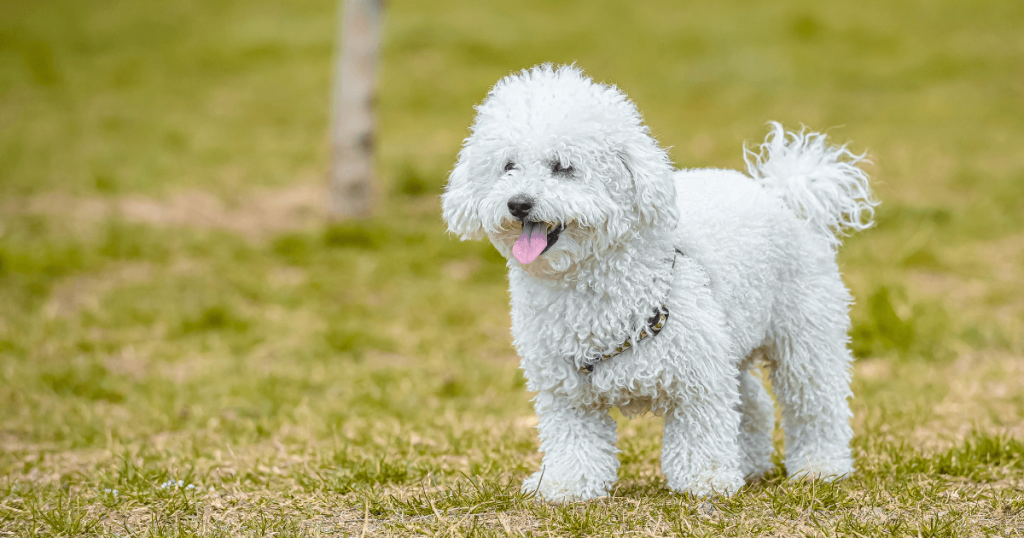
Toy Poodles are well-suited for families, singles, and seniors who can provide them with attention, training, and grooming. They adapt well to apartment living but require regular exercise and mental stimulation. They are not ideal for people who are away from home for long periods.
Common Questions About Toy Poodles
- How much exercise does a Toy Poodle need?
- About 30 minutes of moderate exercise daily.
- Are Toy Poodles good with kids?
- Yes, but supervision is always recommended, especially with small children.
- Do Toy Poodles shed a lot?
- They shed very little, making them a good choice for allergy sufferers.
- How often should I groom my Toy Poodle?
- Daily brushing and professional grooming every 4-6 weeks is recommended.
Conclusion
Toy Poodles are intelligent, affectionate, and relatively hypoallergenic. Do you own a Toy Poodle? Share your stories and tips in the comments below!

At Pet Care Community, our team of passionate pet lovers, writers, and veterinary-approved experts share reliable tips, guides, and resources to help you give your furry friends the happiest and healthiest life possible. From dog breeds and training advice to nutrition, wellness, and pet parenting hacks, we’re here to support every step of your journey as a pet parent.