

Introduction
With their stunning russet gold coat and unwavering loyalty, Vizslas are often considered the aristocrats of the dog world, bred for both beauty and exceptional hunting skills.
This article will take you on a journey through the Vizsla’s rich history, providing practical guidance on how to care for, train, and maintain the health of this remarkable breed. We will also examine the unique health challenges they face, offering invaluable preventative strategies.
Thinking of welcoming a Vizsla into your family? Read on to see if this energetic and affectionate dog is the perfect fit for your lifestyle!
A Quick Look at the Vizsla
| Characteristic | Description |
|---|---|
| Breed Name: | Vizsla |
| Breed Group: | Sporting / Gundog |
| Origin: | Hungary |
| Size: | Medium (53–64 cm tall at the shoulder, 20–30 kg) |
| Lifespan: | 12–15 years |
| Coat: | Short, smooth, dense, golden rust colour |
| Temperament: | Affectionate, energetic, loyal, intelligent, eager to please |
| Exercise Needs: | High (requires vigorous daily activity) |
| Grooming Needs: | Low (occasional brushing) |
| Trainability: | High (responds well to positive reinforcement) |
| Common Health Issues: | Hip dysplasia, epilepsy, hypothyroidism, progressive retinal atrophy (PRA) |
| Best Suited For: | Active individuals or families, hunters, owners with time for training and exercise |
History and Origin
Where It All Began: The Vizsla’s Noble Heritage
The Vizsla breed history and origin dates back to ancient Hungary, where they were the favoured hunting companions of Magyar tribes. Their ancestors likely include various pointing breeds. They were bred to be versatile hunting dogs, capable of pointing, retrieving, and tracking game across diverse terrains. The Vizsla faced near extinction after both World Wars. Dedicated breeders worked tirelessly to revive the breed, safeguarding its unique qualities. The breed gained popularity in other parts of the world and became a recognized breed by Kennel Clubs.
Physical Characteristics
What Makes the Vizsla Unique: A Golden Statue in Motion
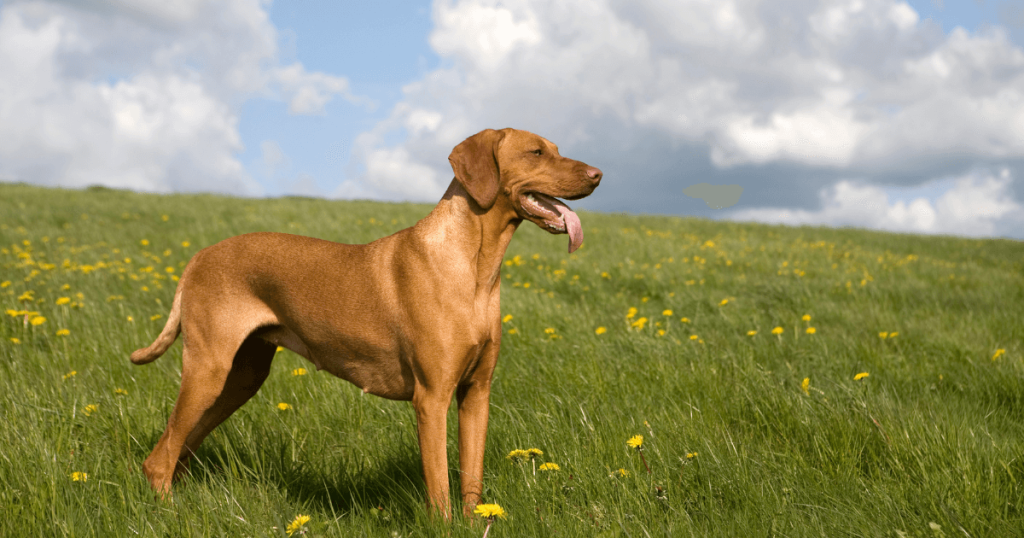
Vizslas are medium-sized dogs with a distinctively athletic build. They typically stand between 53 and 61 cm tall at the shoulder and weigh between 20 and 27 kg. The most recognizable feature is their short, smooth coat in a beautiful russet gold colour. Their eyes are typically brown, blending harmoniously with their coat. They have a lean body, long legs, and a docked tail (although docking is becoming less common and even banned in some regions). Their streamlined shape and powerful muscles allow for incredible speed and agility.
Compared to similar breeds like Weimaraners and German Shorthaired Pointers, Vizslas are generally smaller and lighter. Weimaraners are larger, with a silver-gray coat, while German Shorthaired Pointers often have a liver and white patterned coat. Vizslas are known for their affectionate nature, while Weimaraners can be more bold.
Temperament and Personality
What’s Their True Nature? A Velcro Dog with Endless Energy
Vizslas are known for their affectionate, loyal, and energetic personalities. They form strong bonds with their families and are often called “Velcro dogs” because they love to be close to their humans. They are intelligent and eager to please, which makes them relatively easy to train. However, their high energy levels require owners who can provide plenty of exercise and mental stimulation. Vizslas can be prone to separation anxiety if left alone for extended periods.
On the plus side, they’re incredibly loyal, affectionate, intelligent, trainable, and generally great with children. The downsides? High energy levels, potential for separation anxiety, and they can become destructive if bored. They definitely need a lot of attention!

Training and Socialisation
Raising a Well-Behaved Vizsla: Consistency and Positive Reinforcement are Key
Vizslas respond well to positive reinforcement training methods. Early socialisation is crucial to prevent shyness or aggression towards strangers or other animals. Consistent training from a young age is essential to establish good manners and prevent unwanted behaviours. Vizslas need mental challenges and physical exercises. They can excel in various dog sports such as agility, obedience, and field trials. Start with basic obedience commands, such as sit, stay, come, and down.
Exercise and Activity Needs
Keeping Them Active and Happy: A Vizsla Needs a Job
Vizslas are high-energy dogs that require a significant amount of exercise. Aim for at least 1-2 hours of vigorous exercise per day. This could include running, hiking, swimming, or playing fetch. Without sufficient exercise, Vizslas can become bored and destructive. Provide plenty of mental stimulation through puzzle toys and training games. They thrive in active households where they have opportunities to run and explore.
A good weekly exercise plan might include runs in the park, agility training, hikes in the woods, swimming sessions, and games of fetch. Remember to adjust the intensity and duration based on your dog’s individual needs and age.
Nutrition and Dietary Needs
Feeding Your Vizsla Right: Fueling Their Athletic Body
Vizslas need a high-quality dog food that is appropriate for their age and activity level. Look for a food that is rich in protein and moderate in fat. Avoid foods with excessive fillers or artificial ingredients. Feed your Vizsla two meals a day, rather than one large meal, to reduce the risk of bloat. Always provide fresh, clean water. Consult with your veterinarian to determine the best diet for your individual dog.
Grooming and Coat Care
Caring for Their Signature Look: Easy to Maintain, But Still Needs Attention
Vizslas have short, smooth coats that require minimal grooming. Regular brushing (once or twice a week) will help to remove loose hair and keep their coat shiny. They don’t require frequent bathing unless they get particularly dirty. Trim their nails regularly to prevent overgrowth. Clean their ears regularly to prevent infections.

Common Health Issues
Staying Healthy and Happy: Understanding Potential Health Concerns
Vizslas are generally healthy dogs, but they can be prone to certain health issues. These include:
- Hip Dysplasia: A malformation of the hip joint that can lead to arthritis.
- Progressive Retinal Atrophy (PRA): A degenerative eye disease that can lead to blindness.
- Epilepsy: A neurological disorder that causes seizures.
- Hypothyroidism: A condition in which the thyroid gland doesn’t produce enough thyroid hormone.
- Lymphosarcoma (Lymphoma): A type of cancer that affects the lymphatic system.
Preventative care tips: Regular vet check-ups, a healthy diet, and plenty of exercise can help to minimise the risk of these health problems. Early detection and treatment are crucial for managing any health issues that may arise. Responsible breeders screen their dogs for genetic health conditions to reduce the likelihood of passing them on to their offspring.
If you notice symptoms like lameness, stiffness, difficulty getting up (hip dysplasia); night blindness or gradual vision loss (PRA); seizures (epilepsy); weight gain, lethargy, or hair loss (hypothyroidism); or swollen lymph nodes, lethargy, or loss of appetite (lymphosarcoma), consult your vet immediately. Management strategies range from weight management and physical therapy for hip dysplasia to medication for epilepsy and hormone replacement therapy for hypothyroidism.
Fun Facts
Did You Know? Surprising Facts About Vizslas
Vizslas are often called “Hungarian Pointers.” They were nearly extinct after World War II. Vizslas have a very sensitive nose and are used as detection dogs. They are one of the few breeds that are naturally good swimmers. Vizslas are known for their “Vizsla smile,” where they wrinkle their nose and show their teeth in a happy grin.

Is a Vizsla Right for You?
Who’s the Perfect Match? An Active Lifestyle is a Must
Vizslas are best suited for active families or individuals who can provide them with plenty of exercise and attention. They thrive in homes with large yards where they can run and play. They are not a good choice for sedentary individuals or those who are away from home for long periods. Vizslas need owners who are patient, consistent, and dedicated to training. If you can provide a Vizsla with the love, care, and exercise they need, they will reward you with years of loyal companionship.
FAQs
Common Questions About Vizslas
How much exercise does a Vizsla need?
At least 1-2 hours of vigorous exercise per day.
Are they good with kids?
Yes, Vizslas are generally good with children, but early socialisation is important.
Do they shed a lot?
Vizslas shed moderately, but regular brushing can help to minimise shedding.
Are Vizslas easy to train?
Yes, Vizslas are intelligent and eager to please, making them relatively easy to train.
Are they prone to separation anxiety?
Yes, Vizslas can be prone to separation anxiety if left alone for extended periods.
What is the average lifespan of a Vizsla?
12-15 years.
Conclusion
Vizslas are truly special dogs, offering a unique blend of athleticism, affection, and intelligence. If you’re an active individual or family looking for a loyal and energetic companion, the Vizsla might just be the perfect breed for you. Just remember to be prepared to meet their exercise needs and provide consistent training and socialisation.
Have a Vizsla? Share your story in the comments below! We’d love to hear about your experiences with this amazing breed. Also, check out our other articles on dog breeds and training tips!

At Pet Care Community, our team of passionate pet lovers, writers, and veterinary-approved experts share reliable tips, guides, and resources to help you give your furry friends the happiest and healthiest life possible. From dog breeds and training advice to nutrition, wellness, and pet parenting hacks, we’re here to support every step of your journey as a pet parent.