

Introduction
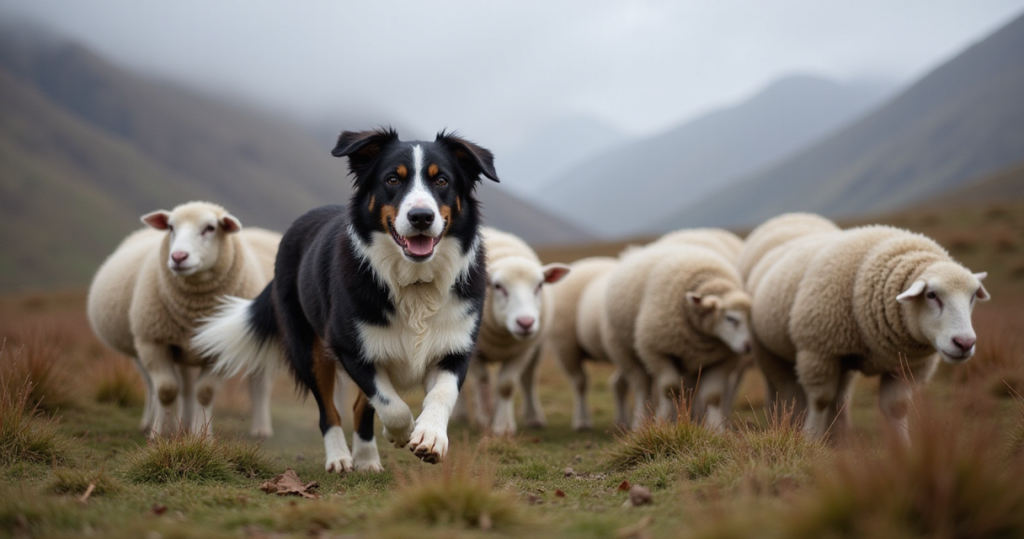
Imagine a dog so intelligent it seems to understand your every thought. That’s the Border Collie – a breed renowned for its boundless energy and unparalleled herding abilities. This article dives into the Border Collie’s fascinating history, essential care tips, effective training methods, and key health considerations to ensure your energetic companion thrives. Thinking about welcoming a Border Collie into your life? Read on to discover if you’re the right match!
Quick Overview
| Feature | Description |
|---|---|
| Breed Group | Herding |
| Lifespan | 12-15 years |
| Size | Medium (45-55 cm at the shoulder) |
| Weight | 13.6 – 24.9 kg |
| Energy Level | Extremely High |
| Grooming Needs | Moderate (Regular brushing) |
| Trainability | Very High (Highly intelligent and eager to learn) |
| Temperament | Intelligent, Energetic, Loyal, Sensitive |
| Good With Kids? | Generally good with kids, especially when raised with them, but can sometimes exhibit herding behaviour towards children. |
| Health Concerns | Hip dysplasia, Collie eye anomaly (CEA), progressive retinal atrophy (PRA) |
History and Origin
Where It All Began: The Shepherd’s Best Friend
The Border Collie’s story begins in the rugged border region between Scotland and England. For centuries, shepherds in this area relied on skilled working dogs to manage their flocks across vast, challenging terrains. These early herding dogs were the ancestors of today’s Border Collie. The name “Collie” itself is thought to derive from a Scottish word for sheepdogs. The need for intelligent, tireless, and easily trainable dogs in this demanding environment shaped the Border Collie into the breed we know and love today. Their ability to navigate difficult landscapes and respond to subtle commands made them invaluable to shepherds.
The breed’s modern development really started in the 19th century with dedicated breeding programs focused on herding ability, not just looks. One dog, Old Hemp, born in 1893, is considered the father of the modern Border Collie. His unique herding style and intelligence became the standard. Old Hemp’s calm yet assertive herding style, combined with his exceptional stamina, made him a highly sought-after stud dog, and his genes are present in many of today’s Border Collies.

Physical Characteristics
What Makes a Border Collie Look Like a Border Collie?
Border Collies are medium-sized dogs, usually weighing between 13 and 25 kilograms (30 and 55 pounds) and standing 45 to 55 centimeters (18 to 22 inches) tall at the shoulder. Their build is athletic and agile, perfectly suited for running and herding. They possess a well-proportioned body with a deep chest, strong legs, and a distinctive, intelligent expression.
Their coat can be either rough or smooth and comes in a variety of colours, including black and white (the most common), red and white, blue merle, and tricolour. Their eyes are typically brown, but can also be blue or a combination of both. The intensity of their gaze is a key characteristic, used to control livestock. This “herding eye” allows them to effectively manage flocks with minimal barking or physical force.
Temperament and Personality
What’s Their True Nature? The Energetic Genius
Border Collies are known for their intelligence, energy, and work ethic. They are intensely loyal to their families but can be reserved with strangers. Their herding instinct is strong, and they may try to “herd” children or other pets. This instinct stems from their breeding history and can manifest as nipping at heels or circling behaviours.
They need a job to do, whether it’s herding sheep, competing in dog sports, or learning tricks. Without sufficient mental and physical stimulation, they can become bored and destructive. A bored Border Collie might resort to excessive barking, chewing, or digging. Providing them with ample opportunities to use their intelligence and energy is crucial for their well-being.
Training and Socialisation
Raising a Well-Behaved Border Collie: A Partnership
Training a Border Collie is a rewarding experience, but it requires consistency and understanding. They are quick learners, but their sensitivity means that positive reinforcement methods work best. Harsh training techniques can damage their confidence and lead to behavioural problems. Positive reinforcement, such as treats, praise, and play, will motivate them to learn and obey.
Early socialisation is crucial to ensure they are well-adjusted and comfortable around different people, animals, and environments. Expose them to various sights, sounds, and experiences from a young age. This will help them develop into well-rounded and confident adults. Socialisation should include interactions with children, other dogs, and different types of environments, such as parks, streets, and car rides.
Exercise and Activity Needs
Keeping Them Active and Happy: A Full-Time Job
Border Collies are high-energy dogs that need a significant amount of exercise daily. A simple walk around the block is not enough. They need opportunities to run, play, and use their minds. Aim for at least two hours of exercise per day, combining physical activity with mental challenges.

Suggested Activities: Herding (if available), agility training, frisbee, fetch, hiking, running, flyball, and dog sports. Puzzle toys and interactive games are also essential for mental stimulation. These activities not only burn energy but also provide mental enrichment, preventing boredom and destructive behaviours.
Nutrition and Dietary Needs
Feeding Your Border Collie Right: Fueling the Engine
Border Collies need a high-quality dog food that is rich in protein and fat to fuel their active lifestyle. Choose a food that is specifically formulated for active breeds or working dogs. Look for ingredients like real meat, whole grains, and healthy fats.
The amount of food they need will depend on their age, activity level, and metabolism. Consult with your veterinarian to determine the appropriate feeding schedule and portion sizes. Overfeeding can lead to obesity, which can exacerbate joint problems and other health issues.
Grooming and Coat Care
Caring for Their Signature Look: Maintaining the Coat
Border Collies have a double coat that requires regular grooming to prevent matting and shedding. Brush them several times a week, especially during shedding season (spring and fall). Regular brushing helps remove loose hair, preventing mats and tangles and reducing shedding around the house.

Use a slicker brush and undercoat rake to remove loose hair. Bathe them only when necessary, as frequent bathing can strip their coat of its natural oils. Over-bathing can lead to dry skin and a dull coat. Aim to bathe them every few months or when they are visibly dirty.
Common Health Issues
Staying Healthy and Happy: Knowing the Risks
Border Collies are generally healthy dogs, but they are prone to certain genetic health conditions, including hip dysplasia, elbow dysplasia, progressive retinal atrophy (PRA), and Collie eye anomaly (CEA). Understanding these potential health issues can help you provide the best possible care for your Border Collie.
Preventative Care: Regular vet check-ups are essential for early detection and treatment of health problems. Choose a reputable breeder who screens their dogs for genetic conditions. Maintain a healthy weight and provide adequate exercise to reduce the risk of joint problems. Early detection and intervention can significantly improve the quality of life for dogs affected by these conditions.
Fun Facts
Did You Know? Mind-Blowing Border Collie Facts
- Border Collies are consistently ranked as one of the most intelligent dog breeds in the world.
- They have been used in various roles, including herding sheep, cattle, and even ducks!
- A Border Collie named Chaser knew over 1,000 words, demonstrating their incredible learning capacity.

Is a Border Collie Right for You?
Who’s the Perfect Match? The Ideal Owner Profile
Border Collies are not the right breed for everyone. They need an owner who can provide them with ample exercise, mental stimulation, and training. They are best suited for active individuals or families who enjoy spending time outdoors. They thrive in environments where they have a job to do and can utilize their intelligence and energy.
They are not ideal for apartment living or for owners who are not willing to dedicate the time and effort required to meet their needs. Potential owners should be prepared to commit to daily exercise, consistent training, and ongoing mental stimulation.
Ideal Owner Profile: Active, experienced dog owner, willing to provide daily exercise and mental stimulation, dedicated to training, and committed to meeting the breed’s specific needs.
FAQs
Common Questions About Border Collies
How much exercise does a Border Collie need?
At least 1-2 hours of vigorous exercise daily, including running, playing fetch, or participating in dog sports.
Are they good with kids?
With proper socialisation, Border Collies can be good with kids, but they may exhibit herding behaviour.
Do they shed a lot?
Yes, Border Collies shed moderately year-round, with heavier shedding during the spring and fall.
Conclusion
Border Collies are incredibly intelligent, energetic, and make devoted companions for the right owner. They require commitment but reward their humans with unmatched loyalty and boundless energy. Their unique blend of intelligence, athleticism, and loyalty makes them truly special dogs.
Do you own a Border Collie? Share your experiences and tips in the comments below! Or check out our article on Australian Shepherds if you are interested in high-energy breeds.

At Pet Care Community, our team of passionate pet lovers, writers, and veterinary-approved experts share reliable tips, guides, and resources to help you give your furry friends the happiest and healthiest life possible. From dog breeds and training advice to nutrition, wellness, and pet parenting hacks, we’re here to support every step of your journey as a pet parent.