

Introduction
Bearded Collies, with their shaggy charm and boundless energy, are more than just a pretty face. These intelligent and affectionate dogs have a rich history and unique needs. If you’re captivated by their playful spirit and wondering if a “Beardie” is the right fit for your life, you’re in the right place. This guide dives deep into the Bearded Collie breed, exploring their origins, care requirements, training tips, potential health concerns, and much more. Curious whether a Bearded Collie is the perfect companion for you? Keep reading!
Quick Overview
| Feature | Description |
|---|---|
| Breed Group | Herding |
| Size | Medium-Large (50-55 cm, 20-25 kg) |
| Lifespan | 12-14 years |
| Temperament | Energetic, Intelligent, Playful, Independent |
| Coat | Long, shaggy double coat |
| Grooming | High |
| Exercise Needs | High |
| Trainability | Intelligent, but can be independent |
| Health Concerns | Hip dysplasia, Progressive Retinal Atrophy (PRA), Hypothyroidism |
1. History and Origin: From Scottish Highlands to Your Home
Where It All Began
The Bearded Collie’s story begins in Scotland, though its exact origins are shrouded in a bit of mystery. It’s generally accepted that they descended from Polish Lowland Sheepdogs (brought to Scotland by a Polish merchant in the 16th century) crossed with local Scottish herding dogs. These early “Beardies” were invaluable to farmers, capable of herding both sheep and cattle in the rough, hilly terrain of the Scottish Highlands. Their thick coats protected them from the harsh weather, and their intelligence allowed them to make independent decisions while working.
Bearded Collie Breed History and Origin
The breed faced near extinction after World War II, but dedicated breeders carefully rebuilt the population, emphasizing both working ability and temperament. Today, while still possessing their herding instincts, Bearded Collies are primarily beloved family companions.
As a canine behaviourist, I’ve observed how the Bearded Collie’s historical role as an independent herder profoundly shapes their behaviour. Their intelligence is remarkable, yet their inherent independence demands patient and consistent training.
2. Physical Characteristics: The Shaggy Dog Look
What Makes the Bearded Collie Unique?
Bearded Collies are medium-to-large dogs, standing around 50-55 cm tall and weighing between 20 and 25 kg. Their most distinctive feature is, of course, their long, shaggy double coat. This coat comes in a variety of colours, including black, blue, brown, and fawn, often with white markings. Their eyes are typically brown or hazel, and their expression is intelligent and alert.

Technical Analysis: The double coat is functionally critical: the long, coarse outer layer shields them from the elements, while the soft, dense undercoat provides insulation in cold weather. This explains their adaptability to colder climates, but also the necessity of diligent grooming to prevent overheating in warmer environments.
3. Temperament and Personality: A Bundle of Energy and Affection
What’s Their True Nature?
Bearded Collies are known for their playful, energetic, and affectionate nature. They are intelligent dogs who thrive on mental stimulation and human interaction. They are generally good with children and other animals, especially when properly socialized from a young age. However, their herding instincts can sometimes lead them to try and “herd” children or other pets.
Pros:
- Intelligent and trainable
- Affectionate and playful
- Good with children and other dogs (with socialization)
- Energetic and fun-loving
Cons:
- High energy levels require significant exercise
- Can be independent and stubborn
- Requires a lot of grooming
- Prone to barking
4. Training and Socialisation: Channeling Their Intelligence
Raising a Well-Behaved Bearded Collie
Bearded Collies are intelligent dogs, which makes them generally trainable. However, their independent nature can sometimes pose a challenge. Positive reinforcement methods, such as rewarding desired behaviours with treats and praise, work best. Early socialization is crucial to ensure they are well-adjusted and comfortable around new people, animals, and situations.
How to Care for a Bearded Collie dog
Technical Insight: Due to their herding background, Bearded Collies excel in activities like agility, herding trials, and obedience. These activities provide mental and physical stimulation, helping to channel their energy in a positive way.
5. Exercise and Activity Needs: Keeping the Energy Flowing
Keeping Them Active and Happy
Bearded Collies are high-energy dogs that require a significant amount of exercise. A daily walk is not enough; they need opportunities to run, play, and explore. Activities like hiking, jogging, playing fetch, or participating in dog sports are all excellent ways to keep them physically and mentally stimulated.
Exercise Table:
| Activity | Duration | Frequency | Benefits |
|---|---|---|---|
| Daily Walk/Jog | 30-60 minutes | Daily | Basic exercise, mental stimulation |
| Playtime (Fetch) | 20-30 minutes | Daily | Energy release, bonding |
| Hiking/Trail Run | 1-2 hours | 2-3 times/week | Intense exercise, exploration |
| Agility Training | 30-60 minutes | Weekly | Mental and physical challenge, obedience |
6. Nutrition and Dietary Needs: Fueling Their Active Lifestyle
Feeding Your Bearded Collie Right
Bearded Collies need a high-quality dog food that is appropriate for their age, size, and activity level. Look for a food that is rich in protein and contains a moderate amount of fat. Avoid foods that are high in fillers or artificial ingredients. Divide their daily food ration into two meals to prevent bloat, a potentially life-threatening condition.
7. Grooming and Coat Care: Maintaining the Shaggy Look
Caring for Their Signature Look
The Bearded Collie’s long, shaggy coat requires a significant amount of grooming. Regular brushing (at least 2-3 times a week) is essential to prevent mats and tangles. They also need to be bathed regularly, usually every 2-3 weeks. Professional grooming may be necessary every few months to keep their coat in good condition.
Technical Insight: Pay special attention to areas prone to matting, such as behind the ears, under the legs, and around the tail. Use a slicker brush and a metal comb to effectively remove loose hair and prevent mats.
8. Common Health Issues: Keeping Them Healthy and Happy
Staying Healthy and Happy
Like all breeds, Bearded Collies are prone to certain health problems. Some of the most common health concerns include:
Common health issues in Bearded Collie dogs and prevention
- Hip Dysplasia: A malformation of the hip joint that can lead to arthritis.
- Progressive Retinal Atrophy (PRA): A degenerative eye disease that can cause blindness.
- Hypothyroidism: A condition in which the thyroid gland does not produce enough thyroid hormone.
- Collie Eye Anomaly (CEA): An inherited eye disease that can cause vision problems.
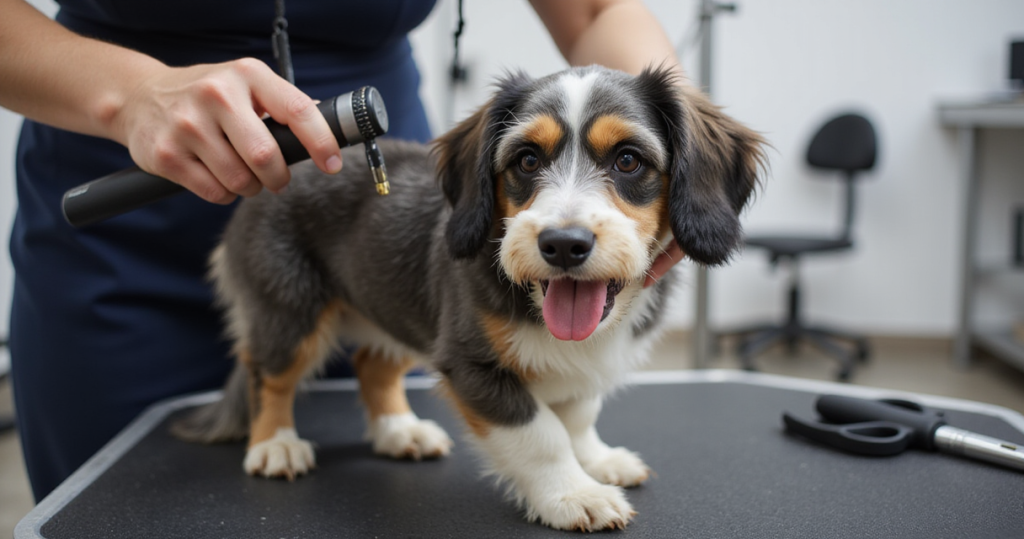
Health Problems, Symptoms, and Solutions:
| Health Problem | Symptoms | Solutions |
|---|---|---|
| Hip Dysplasia | Limping, stiffness, reluctance to exercise | Weight management, physical therapy, surgery |
| PRA | Night blindness, loss of peripheral vision | No cure, genetic testing for breeding |
| Hypothyroidism | Weight gain, lethargy, skin problems | Thyroid hormone replacement therapy |
| Collie Eye Anomaly | Vision problems, retinal detachment | No cure, regular eye exams, genetic testing for breeding |
Technical Analysis: Reputable breeders screen their dogs for these health conditions to minimise the risk of passing them on to future generations. Regular veterinary check-ups are also essential for early detection and treatment.
9. Fun Facts: More Than Just a Shaggy Face
Did You Know?
- Bearded Collies were almost lost to extinction after World War II.
- They are known for their distinctive “beard.”
- They are highly intelligent and excel in dog sports.
- They were originally bred to herd both sheep and cattle.
10. Is a Bearded Collie Right for You?
Who’s the Perfect Match?
Bearded Collies are best suited for active individuals or families who can provide them with the exercise, training, and attention they need. They thrive in homes with a fenced yard where they can run and play. They are not a good choice for people who are unable to commit to regular grooming or who prefer a low-energy dog.
From my experience, the most successful Bearded Collie owners are those who truly grasp the breed’s inherent need for consistent physical and mental engagement. These owners willingly dedicate the time and energy necessary to train and actively involve their dogs in enriching activities.
11. FAQs
Common Questions About Bearded Collies
How much exercise does a Bearded Collie need?
At least 1-2 hours of exercise per day.
Are they good with kids?
Yes, generally, with proper socialization.
Do they shed a lot?
Yes, they shed moderately year-round, with heavier shedding during shedding season.
Are they easy to train?
They are intelligent but can be independent, requiring patience and consistency.
12. Conclusion
The Bearded Collie is a delightful breed with a rich history and a unique personality. While they require a significant commitment to exercise, grooming, and training, the rewards of owning a “Beardie” are immeasurable. Their playful spirit, affectionate nature, and intelligence make them wonderful companions for the right owner.
Do you have a Bearded Collie? Share your story in the comments below!
Future Outlook
The Bearded Collie breed faces the challenge of maintaining genetic diversity while preserving its desirable traits. Responsible breeding programs that prioritize health testing and temperament are essential for the long-term well-being of the breed. Further research into the genetic basis of common health conditions could lead to more effective prevention and treatment strategies. As the breed continues to gain popularity, it’s important to educate potential owners about the commitment required to properly care for a Bearded Collie.

At Pet Care Community, our team of passionate pet lovers, writers, and veterinary-approved experts share reliable tips, guides, and resources to help you give your furry friends the happiest and healthiest life possible. From dog breeds and training advice to nutrition, wellness, and pet parenting hacks, we’re here to support every step of your journey as a pet parent.