

1. Introduction
Small but mighty, the Border Terrier is a bundle of energy and affection. Bred for the tough life on the borderlands of Scotland and England, this hardy breed makes a fantastic family companion for the right owner.
In this guide, we’ll explore the fascinating history of the Border Terrier, how to care for their unique needs, some fun facts, and help you decide if this lively dog is the right fit for your lifestyle.
Think a Border Terrier might be your next best mate? Keep reading!
2. Quick Overview
| Feature | Description |
|---|---|
| Size | Small (5-7 kg) |
| Coat | Wiry, double coat |
| Energy Level | High |
| Temperament | Affectionate, intelligent, independent |
| Life Expectancy | 12-15 years |
| Grooming | Moderate |
| Training | Requires patience and consistency |
| Best Suited For | Active families, experienced dog owners |
3. History and Origin
From Farm Dog to Family Friend: The Border Terrier’s Story
The Border Terrier breed emerged in the Cheviot Hills, the rugged area between England and Scotland. Farmers needed a small, tenacious dog to control foxes that preyed on their livestock. These dogs had to be small enough to follow foxes into their dens (earths) but tough enough to withstand the harsh weather and difficult terrain. They were essential working dogs, not pampered pets. This is a key part of Border Terrier breed history and origin.
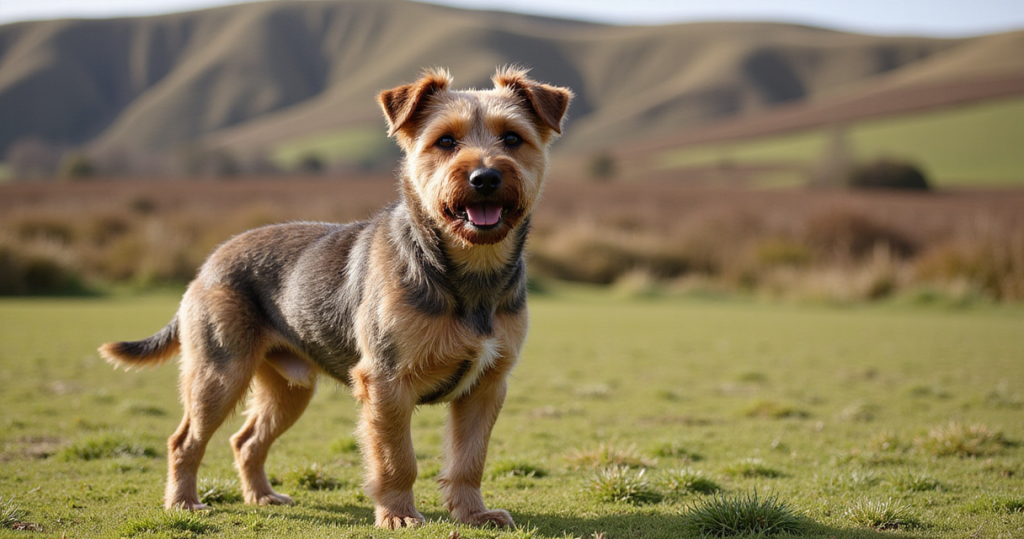
My grandfather, a sheep farmer in Scotland, always had Border Terriers. He said they were the smartest and bravest dogs he knew. They worked hard all day and were loyal companions in the evening.
Early Border Terriers weren’t bred for looks. Functionality was key. This led to a dog with an ‘otter head’ (a distinctive skull shape), a flexible chest for squeezing through narrow spaces, and a dense, weatherproof coat. While their lineage is somewhat unclear, they likely descend from other terrier types in the region.
It’s interesting to see how the Border Terrier has transitioned from a working dog to a popular family pet. Breeders now focus on temperament and health, while still preserving the breed’s hardy characteristics.
4. Physical Characteristics
Small Size, Big Personality: What Makes a Border Terrier Look Like a Border Terrier?
Border Terriers are relatively small dogs, typically standing between 25 and 28 cm tall. Their weight ranges from 5 to 7 kilograms. The ‘otter head’ is a defining feature, with a moderately broad skull and strong jaws. Their eyes are dark and keen, showing intelligence. The wiry, double coat is another hallmark, providing excellent protection against the elements. Common colours include red, grizzle and tan, blue and tan, and wheaten.
When people see my Border Terrier, ‘Pip,’ they always comment on his expressive face. It’s like he’s always thinking! And his coat is amazing – it sheds dirt easily, which is bonza for a dog who loves to dig.
Unlike some terrier breeds with docked tails, the Border Terrier’s tail is moderately short and carried gaily, but not curled over the back. This tail helped the farmers pull the dog out of tight places.
Physical Traits
| Trait | Description |
|---|---|
| Height | 25-28 cm |
| Weight | 5-7 kg |
| Head | Otter-like |
| Coat | Wiry, double coat |
| Colour | Red, grizzle and tan, blue and tan, wheaten |
| Tail | Moderately short, carried gaily |
5. Temperament and Personality
A Heart of Gold, A Mind of Its Own: Understanding the Border Terrier’s Character
Border Terriers are known for their affectionate and loyal nature. They bond strongly with their families and enjoy being involved in activities. However, they also possess a strong independent streak, a legacy of their working background. They are intelligent dogs, but their independence can sometimes make training a challenge. They are generally good with children, but early socialisation is crucial. They can be prone to chasing small animals due to their hunting instincts.
I’ve found that Pip is incredibly smart, but he’s not always eager to please. You have to make training fun and rewarding for him. He loves playing fetch and learning new tricks, but he also has a stubborn side. Positive reinforcement is key.
Pros: Loyal, affectionate, intelligent, good with children (when properly socialised).
Cons: Can be independent, high prey drive, needs consistent training.
6. Training and Socialisation
From Nipping to Noble: Training Your Border Terrier
Early socialisation is vital for Border Terriers to ensure they develop into well-adjusted adults. Expose them to a variety of people, places, and sounds from a young age. Basic obedience training should start early. Consistency is paramount, and positive reinforcement techniques (reward-based training) work best. Address their natural prey drive by teaching a strong recall command. Be patient and persistent, and remember that Border Terriers can be easily distracted. It’s crucial to know how to care for a Border Terrier dog, and training is a big part of that.
I enrolled Pip in puppy classes when he was just a few months old. It made a huge difference in his confidence and social skills. We still practice his recall every day, especially when we’re near squirrels!
7. Exercise and Activity Needs
Keeping the Energy Contained: Meeting Your Border Terrier’s Exercise Needs
Border Terriers are energetic dogs that require regular exercise to stay happy and healthy. A daily walk of at least 30-60 minutes is essential. They also enjoy activities like playing fetch, going for hikes, and participating in dog sports such as agility or earthdog trials. Mental stimulation is just as important as physical exercise. Puzzle toys, training sessions, and interactive games can help keep their minds engaged.

Pip loves going for walks in the bush. He’s always sniffing and exploring. We also play hide-and-seek with his toys, which he really enjoys.
Weekly Exercise Planner
| Day | Activity | Duration |
|---|---|---|
| Monday | 45-minute walk | 45 mins |
| Tuesday | Fetch in the park | 30 mins |
| Wednesday | Agility training | 60 mins |
| Thursday | 30-minute walk | 30 mins |
| Friday | Hiking trail | 90 mins |
| Weekend | Free play, dog park | Flexible |
8. Nutrition and Dietary Needs
Fueling the Fire: Feeding Your Border Terrier for Optimal Health
Border Terriers do well on a high-quality dog food formulated for small to medium-sized breeds. The amount of food they need will vary depending on their age, activity level, and metabolism. Consult with your veterinarian to determine the appropriate portion sizes. Avoid overfeeding, as Border Terriers can be prone to weight gain. Divide their daily food allowance into two meals to prevent bloat. Ensure fresh water is always available.
I feed Pip a grain-free kibble that’s high in protein. He seems to thrive on it. I also give him occasional healthy snacks, like carrot sticks or apple slices.
9. Grooming and Coat Care
Keeping That Wiry Look: Grooming Your Border Terrier
The Border Terrier’s wiry coat requires moderate grooming. Regular brushing (2-3 times per week) helps to remove loose hair and prevent matting. Hand-stripping the coat a few times a year is recommended to maintain its texture and appearance. Bathing should only be done when necessary, as frequent bathing can strip the coat of its natural oils. Trim their nails regularly and clean their ears to prevent infections.
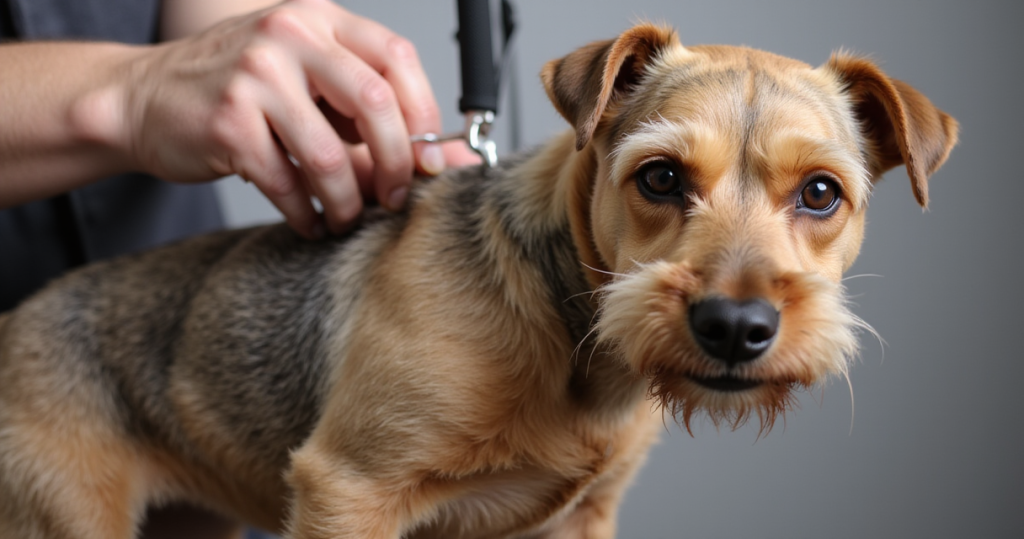
I learned how to hand-strip Pip’s coat from a professional groomer. It’s a bit time-consuming, but it keeps his coat looking healthy and vibrant. I also use a special brush to remove loose hair.
10. Common Health Issues
Staying One Step Ahead: Border Terrier Health Concerns
While Border Terriers are generally healthy dogs, they are prone to certain health issues. These include hip dysplasia, heart defects, luxating patella (slipping kneecap), and canine epileptoid cramping syndrome (CECS), also known as ‘Spike’s disease’. Responsible breeders screen their dogs for these conditions to reduce the risk of passing them on to their offspring. Regular veterinary check-ups are essential for early detection and prevention. Maintaining a healthy weight and providing adequate exercise can also help minimise health problems. Knowing the common health issues in Border Terrier dogs and prevention strategies is vital for responsible ownership.
Pip had a minor knee issue when he was younger, but thankfully, it was easily managed with medication and exercise. It’s important to be aware of potential health problems and to work closely with your vet.
Genetic testing is becoming increasingly important in breeding programs. It helps breeders identify carriers of certain diseases and make informed decisions about breeding pairs.
Health Problems, Symptoms, and Solutions
| Health Problem | Symptoms | Solutions |
|---|---|---|
| Hip Dysplasia | Lameness, stiffness, pain | Weight management, medication, surgery |
| Luxating Patella | Skipping gait, occasional lameness | Weight management, medication, surgery |
| CECS | Muscle spasms, tremors, disorientation | Dietary changes, medication |
11. Fun Facts
Did You Know? Border Terrier Trivia!
- Border Terriers were originally called Reedwater Terriers or Coquetdale Terriers.
- Their flexible chest allows them to squeeze through tight spaces.
- They are known for their love of digging.
12. Is a Border Terrier Right for You?
Finding the Perfect Match: Is a Border Terrier Your Ideal Dog?
Border Terriers are best suited for active families or individuals who can provide them with plenty of exercise and mental stimulation. They need a home with a secure yard to prevent them from chasing after small animals. Experienced dog owners who are familiar with terrier breeds are often a good fit. If you’re looking for a loyal, intelligent, and energetic companion, the Border Terrier might be the perfect dog for you.
13. FAQs
Common Questions About Border Terriers
How much exercise does a Border Terrier need?
At least 30-60 minutes per day.
Are Border Terriers good with kids?
Generally, yes, with proper socialisation.
Do Border Terriers shed a lot?
They shed moderately, but hand-stripping can help reduce shedding.
14. Conclusion
The Border Terrier is a unique and rewarding breed with a rich history. They are intelligent, affectionate, and full of personality. If you can provide them with the exercise, training, and care they need, you’ll have a loyal companion for many years to come.
Do you have a Border Terrier? Share your stories and photos in the comments below!

At Pet Care Community, our team of passionate pet lovers, writers, and veterinary-approved experts share reliable tips, guides, and resources to help you give your furry friends the happiest and healthiest life possible. From dog breeds and training advice to nutrition, wellness, and pet parenting hacks, we’re here to support every step of your journey as a pet parent.