

1. Introduction
Intrigued by the Groenendael’s elegance and intelligence? Keen to learn if this breed is the right fit for your active Aussie lifestyle? Keep reading!
2. Quick Overview
| Feature | Description |
|---|---|
| Breed Name | Belgian Shepherd (Groenendael) |
| Origin | Belgium |
| Size | Medium to Large (56-66 cm at the withers) |
| Weight | 25-30 kg |
| Lifespan | 12-14 years |
| Temperament | Intelligent, alert, protective, loyal |
| Coat | Long, straight, abundant, and dense |
| Color | Solid black |
| Exercise Needs | High |
| Grooming Needs | Moderate |
| Training | Highly trainable, needs mental stimulation |
| Health | Generally healthy, but may be prone to hip and elbow dysplasia |
| AKC Recognition | Herding Group |
3. History and Origin: Where It All Began
The Belgian Shepherd (Groenendael) breed history and origin are steeped in late 19th-century Belgium. They are one of the four distinct Belgian Shepherd varieties (Groenendael, Tervuren, Malinois, and Laekenois), each named after the area they originated from. Nicolas Rose, owner of the Château de Groenendael, is credited with standardizing the breed. He crossed long-haired black shepherd dogs, creating the foundation for today’s Groenendael. Think of him as the bloke who perfected the recipe for this amazing breed!
Originally bred as herding dogs, they quickly proved their versatility in other roles. Their intelligence and trainability saw them employed as guard dogs, police dogs, and even messenger dogs during wartime. This adaptability is a testament to their sharp minds and willingness to work. The breed gained popularity throughout Europe and later in the United States, recognised by major kennel clubs in the early 20th century.
4. Physical Characteristics: An Elegant Black Silhouette
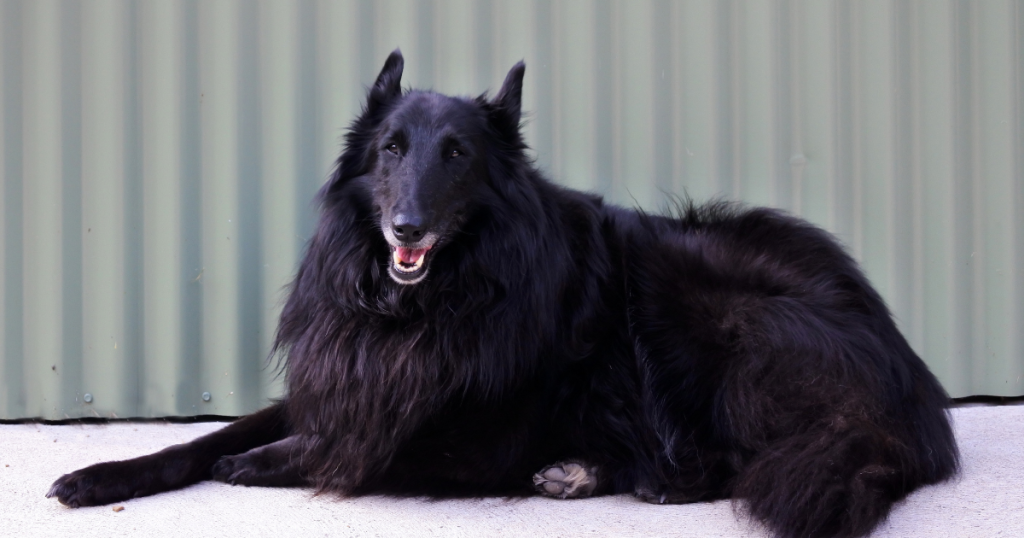
Groenendaels are medium to large-sized dogs with a distinctive long, black, double coat. The coat is particularly abundant around the neck, forming a striking ruff, almost like a permanent scarf. They have a well-proportioned, athletic build, reflecting their working dog heritage. Their head is refined, with a pointed muzzle and dark, almond-shaped eyes that exude intelligence. They always look like they’re thinking! The tail is strong and reaches to the hock, often carried slightly curved.

5. Temperament and Personality: Loyal, Intelligent, and Protective
Groenendaels are known for their intelligence, loyalty, and alertness. They form incredibly strong bonds with their families and are often fiercely protective of their home and loved ones. They’re the kind of dog who’ll stick by you through thick and thin.
They are highly intelligent and eager to please, making them relatively easy to train, provided you use the right approach. They can be a little reserved with strangers but are generally not aggressive unless they perceive a threat. Early socialisation is absolutely key to ensure they are well-adjusted and confident in various situations.
However, they are high-energy dogs that need plenty of exercise and mental stimulation to prevent boredom and destructive behaviours. A bored Groenendael is a mischievous Groenendael!
Pros:
- Highly intelligent and trainable – they’re quick learners.
- Loyal and protective of family – a true companion.
- Energetic and playful – always up for an adventure.
- Versatile and adaptable to various activities – from hiking to dog sports.
Cons:
- High exercise needs – not ideal for couch potatoes.
- Can be prone to separation anxiety if left alone for long periods – they crave company.
- Needs early socialisation to prevent shyness or over-protectiveness.
- May be mouthy or prone to chasing – requires consistent training.
6. Training and Socialisation: Raising a Well-Behaved Groenendael
Early socialisation is paramount for Groenendaels. Expose them to a variety of people, places, and sounds from a young age to help them develop into well-rounded adults. Puppy classes are a fantastic way to start.
Training should start early and be consistent. Positive reinforcement techniques, such as rewards and praise, work best with this breed. They thrive on encouragement! Avoid harsh methods, as they can be sensitive.
They excel in obedience, agility, and other dog sports. Their intelligence and eagerness to please make them quick learners in these areas. Address potential challenges like their herding instincts (chasing) and their tendency to be mouthy early on. Redirection and impulse control exercises are incredibly helpful.

7. Exercise and Activity Needs: Keeping Them Active and Happy
Groenendaels are high-energy dogs that need a significant amount of daily exercise. Aim for at least 1-2 hours of physical activity per day. This isn’t a dog that’s happy with a quick walk around the block!
Activities like running, hiking, swimming, and playing fetch are all excellent ways to keep them physically fit. Think long walks along the beach, hikes in the bush, or even a game of frisbee in the park. Mental stimulation is equally important. Puzzle toys, training sessions, and interactive games can help keep their minds engaged and prevent boredom.
Consider dog sports like agility, herding, or obedience to provide both physical and mental challenges. They love having a job to do!
8. Nutrition and Dietary Needs: Feeding Your Groenendael Right
Feed your Groenendael a high-quality dog food that is appropriate for their age, size, and activity level. Look for a food that lists meat as the primary ingredient.
Working dogs and active Groenendaels may benefit from a diet higher in protein to support muscle development and energy levels. Avoid overfeeding, as obesity can lead to various health problems. Monitor their weight and adjust their food intake as needed. Always provide fresh, clean water.
9. Grooming and Coat Care: Caring for Their Signature Look
Groenendaels have a long, double coat that requires regular grooming. Brush them several times a week to prevent matting and tangles. During shedding season (spring and autumn), daily brushing is highly recommended – you’ll be amazed at how much hair they can shed!
Use a slicker brush and an undercoat rake to remove loose hair and prevent mats from forming. Bathe them as needed, but avoid over-bathing, as this can strip their coat of its natural oils. Trim their nails regularly and check their ears for signs of infection.
10. Common Health Issues: Staying Healthy and Happy
Groenendaels are generally healthy, but they are prone to certain health issues, including hip and elbow dysplasia, progressive retinal atrophy (PRA), and epilepsy.
Responsible breeders screen their dogs for these conditions before breeding to minimise the risk of passing them on to their offspring. When buying a puppy, always ask the breeder about health testing. Regular vet check-ups, a healthy diet, and plenty of exercise can help prevent or manage these health problems.
Be aware of bloat (gastric torsion), a life-threatening condition that can affect large, deep-chested breeds. Learn the symptoms (restlessness, distended abdomen, unproductive retching, weakness) and how to prevent it (feeding smaller meals, avoiding exercise before/after eating).

11. Fun Facts: Did You Know?
- Groenendaels are highly intelligent and have been used in various roles, including police work, search and rescue, and therapy work.
- They excel in dog sports and are known for their agility, speed, and obedience.
- Despite their long coat, they are relatively easy to groom compared to some other long-haired breeds.
- They are known for their strong bond with their families and are often referred to as “Velcro dogs” because they like to stick close to their owners.
12. Is a Groenendael Right for You?
Groenendaels are best suited for active individuals or families who can provide them with plenty of exercise, mental stimulation, and training. They need an owner who is experienced with dog training and is willing to dedicate time and effort to their upbringing.
They are not a good choice for people who are gone for long periods or who cannot provide them with the attention and exercise they need. They thrive in a home where they are considered part of the family and are included in activities. If you’re after a low-maintenance dog, this isn’t the breed for you.
13. FAQs
How much exercise does a Groenendael need?
They need at least 1-2 hours of exercise per day.
Are they good with kids?
With proper socialisation, they can be good with kids, but supervision is always recommended.
Do they shed a lot?
Yes, they shed moderately year-round and heavily during shedding season.
Are they easy to train?
They are intelligent and eager to please, making them relatively easy to train with positive reinforcement methods.
Do they bark a lot?
They can be vocal, especially if bored or not properly trained.
14. Conclusion
Their intelligence, loyalty, and versatility make the Groenendael a wonderful companion for the right owner. However, their high energy needs and potential health concerns require careful consideration. If you’re prepared to put in the time and effort, you’ll be rewarded with a loving and loyal companion for many years to come.
Do you have a Groenendael? Share your story and tips in the comments below! Or check out our other articles on Belgian Shepherd breeds!

At Pet Care Community, our team of passionate pet lovers, writers, and veterinary-approved experts share reliable tips, guides, and resources to help you give your furry friends the happiest and healthiest life possible. From dog breeds and training advice to nutrition, wellness, and pet parenting hacks, we’re here to support every step of your journey as a pet parent.