

1. Introduction
This article dives into the Dalmatian’s fascinating origin, provides practical care advice, explores training techniques, reveals potential health concerns, and helps you decide if this breed is the right fit for you.
Intrigued by the spotted dog? Keep reading to uncover the secrets of Dalmatian ownership!
2. Quick Overview
| Feature | Description |
|---|---|
| Breed Name | Dalmatian |
| Origin | Croatia (historically associated with Dalmatia region) |
| Size | Medium (48-61 cm tall, 20-32 kg) |
| Lifespan | 11-13 years |
| Temperament | Energetic, intelligent, playful, loyal, sometimes stubborn |
| Coat Types | Short, dense coat |
| Common Colors | White with black or liver (brown) spots |
| Exercise Needs | High (daily vigorous exercise and mental stimulation) |
| Grooming Needs | Low (regular brushing to manage shedding) |
| Trainability | Moderate (intelligent but can be independent; needs consistent training) |
| Health Concerns | Deafness, urinary stones, hip dysplasia, skin allergies |
| Best Suited For | Active families, experienced dog owners, homes with space to run |
3. A Spot in History: Dalmatian Breed History and Origin
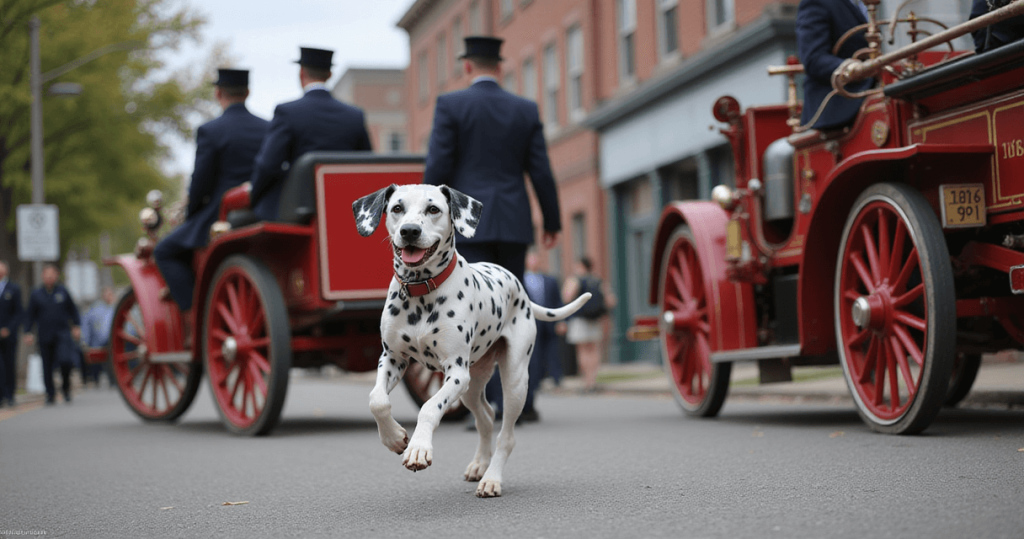
The Dalmatian’s history is a bit of a mystery, with evidence suggesting origins in the Dalmatia region of Croatia (hence the name). However, similar spotted dogs have been depicted in ancient art from Greece, Egypt, and Europe. Their precise lineage remains debated, but their versatility is undeniable. Understanding the Dalmatian breed history and origin is key to appreciating this unique dog.
Historically, Dalmatians were used for various purposes:
- Carriage Dogs: Famously accompanying horse-drawn carriages, protecting them from thieves and providing a calming presence for the horses. This is perhaps their most well-known role.
- Guard Dogs: Their alert nature and strong build made them effective guardians of property.
- Hunting Dogs: In some regions, they were used for bird hunting.
- Circus Performers: Their striking appearance and trainability made them popular performers.
4. Physical Characteristics
Dalmatians are medium to large-sized dogs, known for their athletic build and elegant appearance.
- Size: Males typically stand 56-61 cm tall, while females are slightly smaller at 48-56 cm.
- Weight: They generally weigh between 20 and 32 kg.
- Coat: The most defining feature is their short, dense coat with distinctive spots. The base colour is always white, with spots that are typically black or liver (brown). The spots should be well-defined and evenly distributed.
- Other Features: They have a strong, muscular build, a deep chest, and a slightly tapering tail. Their eyes are typically brown or blue.
5. Temperament and Personality
Dalmatians are generally intelligent, energetic, and playful dogs. They are known for their loyalty and can be very affectionate with their families. However, they can also be sensitive and require early socialisation and consistent training.
Pros:
- Loyal and Affectionate: They form strong bonds with their families.
- Intelligent: They are quick learners, but require consistent and engaging training.
- Playful and Energetic: They enjoy playing games and going on adventures.
- Good Watchdogs: They are alert and protective of their home.
Cons:
- High Energy: They require a significant amount of exercise and mental stimulation.
- Can be Stubborn: Their intelligence can sometimes translate into stubbornness during training.
- Potential for Deafness: A genetic predisposition can lead to deafness, requiring special training techniques.
- Prone to Separation Anxiety: They thrive on companionship and can become anxious if left alone for long periods.
6. Training and Socialisation
Raising a well-behaved Dalmatian requires patience, consistency, and positive reinforcement. Due to their sensitive nature, harsh methods should be avoided.
- Early Socialisation: Expose them to a variety of sights, sounds, people, and other animals from a young age to prevent fearfulness or aggression.
- Positive Reinforcement: Use treats, praise, and toys to reward good behaviour.
- Consistency: Establish clear rules and boundaries and enforce them consistently.
- Obedience Training: Enrol in obedience classes to teach basic commands and improve communication.
- Addressing Deafness: If your Dalmatian is deaf, learn sign language and use visual cues for training.
7. Exercise and Activity Needs
Dalmatians are high-energy dogs and require a significant amount of exercise to stay happy and healthy.
- Daily Walks/Runs: Aim for at least two long walks or runs per day.
- Playtime: Provide opportunities for play in a fenced yard or at a dog park.
- Mental Stimulation: Engage their minds with puzzle toys, training exercises, and interactive games.
- Dog Sports: Consider activities like agility, flyball, or obedience competitions.

8. Nutrition and Dietary Needs
Dalmatians require a high-quality dog food that is appropriate for their age, size, and activity level. They are also prone to urinary stones, so it’s important to consider their diet.
- Low-Purine Diet: Consult with your veterinarian about a low-purine diet to help prevent urinary stones.
- High-Quality Protein: Choose a dog food with a good source of protein.
- Avoid Overfeeding: Monitor their weight and adjust their food intake as needed.
- Fresh Water: Always provide access to fresh, clean water.
9. Grooming and Coat Care
Dalmatians have a short, dense coat that sheds moderately year-round.
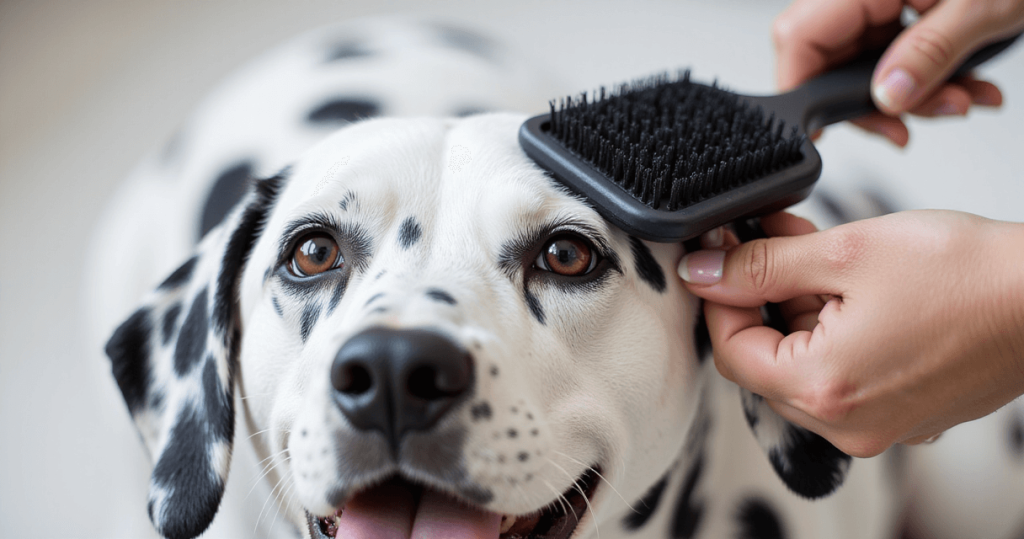
- Brushing: Brush them regularly, at least a few times a week, to remove loose hair.
- Bathing: Bathe them as needed, usually every few months.
- Nail Trimming: Trim their nails regularly to prevent overgrowth and discomfort.
- Ear Cleaning: Clean their ears regularly to prevent infections.
10. Common Health Issues
Dalmatians are prone to certain health issues: Understanding common health issues in Dalmatian dogs and prevention is crucial for responsible ownership.
- Deafness: A genetic predisposition affects a significant percentage of Dalmatians. BAER testing (Brainstem Auditory Evoked Response) can determine hearing status.
- Urinary Stones: They have a unique metabolism that makes them prone to developing uric acid stones. A low-purine diet and ample water intake can help.
- Hip Dysplasia: A condition where the hip joint doesn’t develop properly.
- Skin Allergies: Some Dalmatians are prone to skin allergies.
11. Fun Facts
- Dalmatians are the only spotted dog breed recognised by the AKC.
- Dalmatian puppies are born completely white. Their spots develop later, usually within a few weeks.
- The number of spots on a Dalmatian can range from just a few to hundreds.
- Dalmatians were once known as the “Plague Dogs” because they were used to help control rat populations.
12. Is a Dalmatian Right for You?
Dalmatians are best suited for active individuals or families who can provide them with plenty of exercise, training, and attention. Understanding how to care for a Dalmatian dog is essential before bringing one home.
- Active Lifestyle: They need owners who enjoy outdoor activities like running, hiking, or playing fetch.
- Experienced Dog Owners: Their intelligence and potential stubbornness require consistent training and firm leadership.
- Commitment to Socialisation: Early and ongoing socialisation is crucial to prevent behaviour problems.
- Awareness of Health Concerns: Potential owners should be prepared to address potential health issues like deafness and urinary stones.
13. FAQs
How much exercise does a Dalmatian need?
At least two hours of exercise per day.
Are Dalmatians good with kids?
Yes, if properly socialised from a young age.
Do Dalmatians shed a lot?
Yes, they shed moderately year-round. Regular brushing helps.
Are Dalmatians easy to train?
They are intelligent but can be stubborn. Consistent, positive reinforcement is key.

14. Conclusion
Dalmatians are intelligent, energetic, and loyal dogs who make wonderful companions for the right owners. Understanding their unique needs, including their high energy levels and potential health concerns, is essential for providing them with a happy and fulfilling life. By understanding the Dalmatian breed history and origin, and knowing how to care for a Dalmatian dog, you can ensure a fulfilling life together.
Do you have a Dalmatian? Share your experiences and tips in the comments below! And be sure to check out our other articles on dog breed care and training.

At Pet Care Community, our team of passionate pet lovers, writers, and veterinary-approved experts share reliable tips, guides, and resources to help you give your furry friends the happiest and healthiest life possible. From dog breeds and training advice to nutrition, wellness, and pet parenting hacks, we’re here to support every step of your journey as a pet parent.