

1. Introduction
2. A Quick Look
| Feature | Description |
|---|---|
| Breed Name | Doberman Pinscher |
| Origin | Germany |
| Size | Large |
| Weight | 27-45 kg |
| Height | 61-71 cm at the shoulder |
| Lifespan | 10-12 years |
| Temperament | Intelligent, Loyal, Alert, Energetic, Trainable |
| Coat | Short, smooth, and glossy |
| Colour | Black, red, blue, fawn (Isabella), with rust markings |
| Grooming Needs | Low |
| Exercise Needs | High |
| Trainability | High |
3. History and Origin: Forged in Germany
The Doberman Pinscher breed history and origin story is a relatively recent one, emerging in the late 19th century in Apolda, Germany. Karl Friedrich Louis Dobermann, a man of many roles – tax collector, pound keeper, and even part-time dog catcher – envisioned a medium-sized guard dog to accompany him on his often-perilous rounds. He sought unwavering fearlessness, sharp intelligence, and unyielding loyalty in his ideal canine protector.
Dobermann strategically crossed various breeds, a genetic tapestry woven with the threads of the Old German Shepherd (a now-extinct herding dog), the German Pinscher, the powerful Rottweiler, and potentially the tenacious Black and Tan Terrier. His experiment resulted in a dog that embodied the very qualities he craved: an alert guardian, courageous defender, and a dog with a strong protective instinct.
Following Dobermann’s passing in 1894, the breed underwent further refinement. Otto Goeller is often credited with tempering the Doberman’s temperament, making them more adaptable as family pets and companions, all while preserving their inherent working capabilities.
Initially, Dobermans served primarily as guard dogs and police dogs, quickly earning a reputation for their remarkable intelligence and unwavering fearlessness. During the tumultuous years of both World Wars, they served with distinction as messenger dogs, vigilant sentries, and even as mine detectors, solidifying their image as capable and reliable working dogs. In more recent times, breeders have focused on accentuating the Doberman’s temperament, cultivating their suitability as cherished family companions without sacrificing their inherent protective instincts.
4. Physical Characteristics: A Study in Elegance and Power
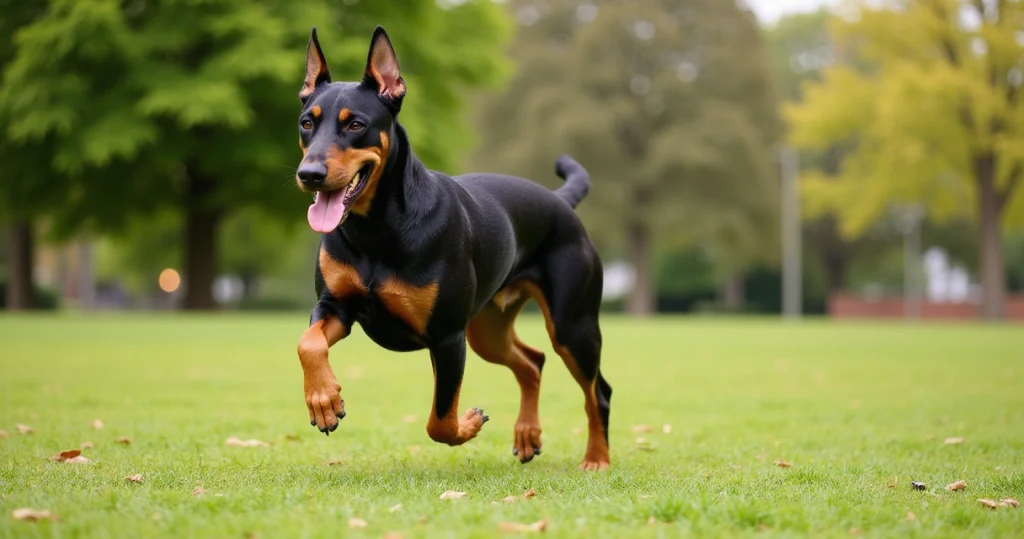
Doberman Pinschers are instantly recognizable for their elegant, athletic build and proud carriage. These are medium to large-sized dogs, with males typically standing between 66 and 71 cm tall and weighing between 27 and 45 kg. Females are slightly more petite, generally standing 61 to 66 cm tall and weighing 27 to 41 kg.
Their coat is a masterpiece of minimalist design: short, smooth, and possessing a glossy sheen that speaks to their health and vitality. The accepted colours are striking: black, red (brown), blue, and fawn (Isabella), each adorned with distinctive rust-coloured markings that accent the muzzle, throat, chest, above each eye, legs, and beneath the tail. The traditional “cropped ears and docked tail” look, once a hallmark of the breed, has become increasingly controversial due to ethical considerations and is now prohibited in many countries. A growing number of breeders are embracing the natural ear and tail, revealing a different, yet equally striking, aesthetic.

5. Temperament and Personality: Beyond the Stereotypes
The Doberman Pinscher temperament is a captivating blend of intelligence, unwavering loyalty, and boundless energy. They possess a sharp intellect and an eagerness to please, making them highly trainable partners. Their loyalty knows no bounds, forging deep and lasting bonds with their families. When properly socialized, Dobermans are affectionate and playful companions, showering their loved ones with unwavering devotion.
However, their intelligence and energy levels demand a dedicated owner. Without consistent training and mental stimulation, Dobermans can become bored, potentially destructive, or even display signs of aggression.
The Upsides:
- Unwavering loyalty and protectiveness towards their family.
- Exceptional intelligence and trainability.
- Boundless energy and playful spirit.
- Relatively low-maintenance grooming requirements.
The Downsides:
- Potential for anxiety if left alone for extended periods.
- Tendency towards dominance if not properly trained and managed.
- A need for consistent training and early socialization.
- Predisposition to certain health issues.
6. Training and Socialisation: Building a Well-Adjusted Companion
Early socialisation and consistent training are non-negotiable for Doberman Pinschers. Expose your Doberman puppy to a wide array of people, environments, and situations from a young age. Enrol in puppy classes and continue with structured obedience training as they mature.
Dobermans thrive on positive reinforcement methods, responding enthusiastically to treats, praise, and engaging toys. Consistency, patience, and clear communication are paramount. Avoid harsh punishment, as it can erode their trust and trigger behavioural issues.

Address potential Doberman challenges head-on:
- Dominance: Establish yourself as the clear leader with calm, confident, and assertive leadership.
- Anxiety: Provide ample exercise, mental challenges, and a secure environment to minimize anxiety.
- Prey Drive: Focus on unwavering recall training and reliable leash control to manage their instinct to chase.
7. Exercise and Activity Needs: Fueling Their Physical and Mental Wellbeing
Doberman Pinschers are high-octane dogs that demand a significant amount of exercise to maintain their physical and mental equilibrium. Aim for a minimum of two hours of dedicated exercise each day, incorporating:
- Daily walks or runs: A brisk walk or invigorating jog is an excellent way to expend energy and maintain their physical conditioning.
- Playtime: Engage in games of fetch, frisbee, or tug-of-war within a secure, fenced area.
- Agility training: Dobermans excel at agility courses, which provide both physical exertion and mental stimulation.
- Obedience training: Reinforce basic commands and introduce new tricks to keep their minds sharp.
- Dog sports: Consider participating in dog sports such as Schutzhund or dock diving to channel their energy and drive.
8. Nutrition and Dietary Needs: Fueling the Doberman Engine
A high-quality diet is the cornerstone of your Doberman Pinscher’s health and longevity. Opt for a dog food specifically formulated for large breeds, boasting a high protein content (25-30%) to support their robust muscle development.
Feed your Doberman puppy a puppy-specific formula until they reach approximately 12 months of age, then transition to an adult formula. Divide their daily food allowance into two meals to mitigate the risk of bloat, a life-threatening condition prevalent in large, deep-chested breeds. Always ensure access to fresh, clean water.
Avoid feeding your Doberman table scraps or offering excessive treats, as this can contribute to obesity and other related health complications.
9. Grooming and Coat Care: Maintaining Their Sleek Appearance
Doberman Pinschers possess a short, smooth coat that requires minimal grooming effort. A weekly brushing with a rubber grooming mitt or hound glove will effectively remove loose hair and maintain their coat’s lustrous shine.
Bathe your Doberman only when necessary, typically every few months, using a dog-specific shampoo. Regular nail trims are essential to prevent overgrowth and discomfort. Clean their ears routinely to prevent infections.

10. Common Health Issues: Proactive Prevention and Management
While generally a robust breed, Doberman Pinschers are predisposed to certain health issues. Awareness and proactive management are key to ensuring a long and healthy life for your Doberman:
- Dilated Cardiomyopathy (DCM): A heart condition characterized by an enlarged and weakened heart muscle. Regular cardiac check-ups are paramount.
- Von Willebrand’s Disease (vWD): A bleeding disorder affecting blood clotting.
- Wobbler Syndrome (Cervical Vertebral Instability): A neurological condition impacting the spinal cord in the neck.
- Hip Dysplasia: A malformation of the hip joint.
- Hypothyroidism: An underactive thyroid gland.
- Bloat (Gastric Dilatation-Volvulus): A life-threatening condition involving the stomach filling with gas and twisting.
11. Fun Facts: Unveiling the Doberman’s Unique Character
- Doberman Pinschers earned the moniker “Devil Dogs” from U.S. Marines during World War II, a testament to their bravery and tenacity.
- The Doberman Pinscher is celebrated for their exceptional intelligence, consistently ranking among the smartest dog breeds.
- Dobermans possess the remarkable ability to be trained to detect bombs, drugs, and even the subtle scent of cancer.
12. Is a Doberman Right for You? Finding the Perfect Match
The ideal owner for a Doberman Pinscher is someone who embodies the following qualities:
- Experienced with dogs: Dobermans are not the most suitable choice for novice dog owners.
- Committed to training and socialization: They demand consistent training and early socialisation.
- Active and dedicated to providing ample exercise: They require a significant amount of physical and mental stimulation.
- Confident and assertive: They thrive under the guidance of a leader who can establish clear boundaries.
- Dedicated to their dog’s health and wellbeing: They require regular veterinary check-ups and preventative care.
Dobermans can flourish in family environments with older, respectful children, but they may not be the best fit for households with very young children due to their size and energy levels. They can also make wonderful companions for active singles or couples.
13. FAQs
How much exercise does a Doberman Pinscher need?
Two hours per day is the minimum requirement.
Are Doberman Pinschers good with kids?
With proper socialisation and supervision, they can be good with older, respectful children.
Do Doberman Pinschers shed a lot?
They shed moderately, with increased shedding during seasonal transitions.
14. Conclusion: A Breed Worthy of Dedication
The Doberman Pinscher is a truly exceptional breed – intelligent, loyal, and protective. They demand a dedicated owner who is prepared to provide consistent training, socialisation, and ample exercise. With the right care and attention, a Doberman Pinscher will reward you with unwavering loyalty and a lifetime of companionship.

At Pet Care Community, our team of passionate pet lovers, writers, and veterinary-approved experts share reliable tips, guides, and resources to help you give your furry friends the happiest and healthiest life possible. From dog breeds and training advice to nutrition, wellness, and pet parenting hacks, we’re here to support every step of your journey as a pet parent.