

1. Introduction
Towering and majestic, Great Danes aren’t just big dogs; they’re gentle giants with hearts to match, known for their unique blend of power and grace. This article will guide you through the fascinating history, essential care tips, effective training methods, and potential health concerns of the Great Dane. Intrigued by the prospect of owning a Great Dane? Keep reading to discover if this impressive breed is the right fit for you!
2. Quick Overview
| Characteristic | Description |
|---|---|
| Breed Name | Great Dane |
| Origin | Germany |
| Size | Giant |
| Height | Male: 76-81 cm; Female: 71-76 cm |
| Weight | Male: 63-79 kg; Female: 50-63 kg |
| Lifespan | 7-10 years |
| Temperament | Friendly, affectionate, courageous, generally good with children |
| Coat | Short, thick, smooth |
| Colours | Fawn, brindle, blue, black, harlequin, mantle |
| Grooming Needs | Low |
| Exercise Needs | Moderate |
| Training | Requires early socialisation and consistent training |
| Common Health Issues | Bloat, hip dysplasia, heart problems, bone cancer |
| Best Suited For | Experienced dog owners, families with space, those who can provide adequate care |
3. History and Origin
Where It All Began
The Great Dane’s ancestors can be traced back to ancient mastiff-type dogs. These dogs were bred in Germany to hunt wild boar. Over time, they evolved into the elegant and powerful breed we know today. They were not originally bred in Denmark, despite the name suggesting so. The name “Great Dane” became popular in the 18th century, distinguishing these larger hunting dogs from smaller German boarhounds.
4. Physical Characteristics
What Makes Great Danes Unique?
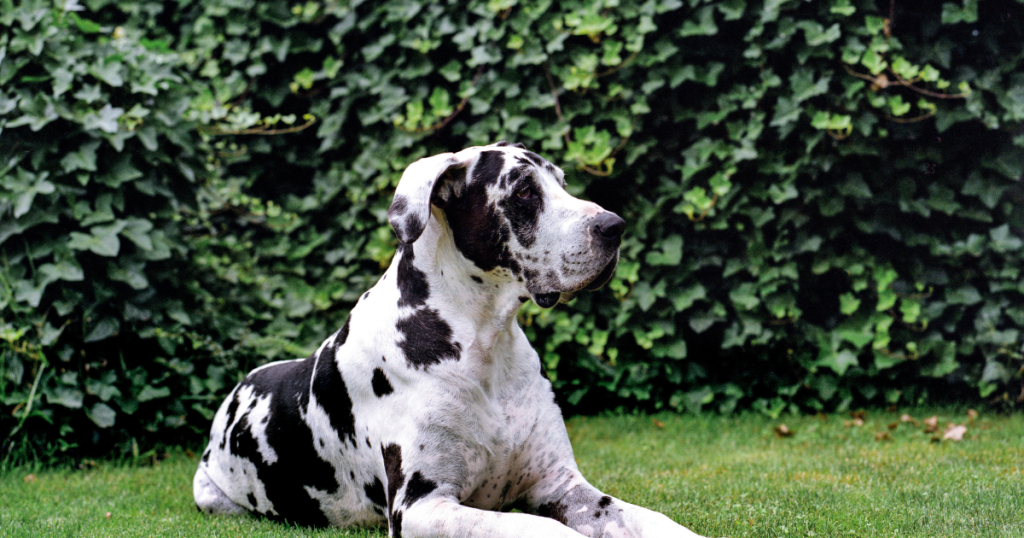
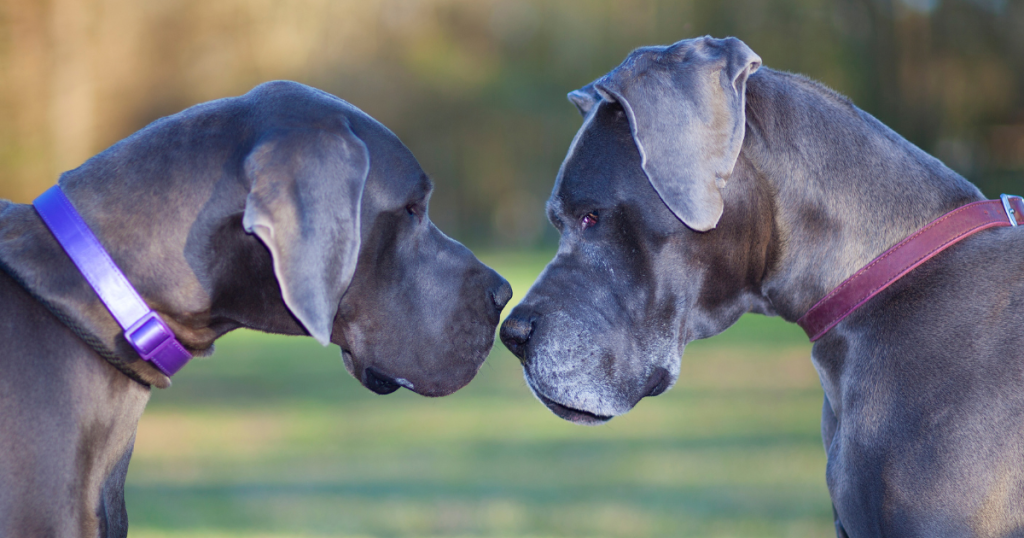
Great Danes are one of the tallest dog breeds, known for their muscular build and regal appearance. Their coat is short and smooth, coming in a variety of colours, including fawn, brindle, blue, black, harlequin (white with black patches), and mantle (black and white). Their long legs and deep chest give them a powerful and athletic look.
| Breed | Height (Male) | Weight (Male) | Lifespan |
|---|---|---|---|
| Great Dane | 76-81 cm | 63-79 kg | 7-10 years |
| Irish Wolfhound | 81-89 cm | 63-82 kg | 6-8 years |
| Mastiff | 76 cm + | 72-104 kg | 6-10 years |

5. Temperament and Personality
What’s Their True Nature?
Great Danes are known for being gentle, friendly, and affectionate. They are often called “gentle giants” because of their size and sweet nature. They are generally good with children and other animals if properly socialised. However, their large size means they need training to avoid accidentally knocking things over or hurting smaller pets.
Pros: Loyal, affectionate, good with children (with proper socialisation), relatively low-energy indoors.
Cons: Large size can be challenging, prone to certain health issues, shorter lifespan than smaller breeds, can be stubborn during training.
6. Training and Socialisation
Raising a Well-Behaved Great Dane
Early socialisation is crucial for Great Danes. Expose them to different people, places, and sounds from a young age to prevent fear or aggression later in life. Consistent, positive reinforcement training methods work best. Be patient and persistent, as they can be stubborn. Focus on basic obedience commands like sit, stay, and come. Leash training is also essential to manage their size and strength during walks.
Their size and strength can make them difficult to handle if not properly trained. They can also be prone to separation anxiety if left alone for long periods.
7. Exercise and Activity Needs
Keeping Them Active and Happy
Great Danes need moderate exercise to stay healthy and happy. While they are large, they don’t require excessive amounts of physical activity. Daily walks, playtime in a fenced yard, and occasional trips to the dog park are usually sufficient. Avoid strenuous exercise during puppyhood to protect their developing joints.
Suggested activities:
- Daily walks (30-60 minutes).
- Playtime in a fenced yard.
- Puzzle toys for mental stimulation.
- Agility training (once fully grown and joints are developed).
| Day | Activity | Duration | Notes |
|---|---|---|---|
| Monday | Walk | 45 minutes | Focus on loose-leash walking |
| Tuesday | Playtime in Yard | 30 minutes | Fetch, tug-of-war (gentle), or frisbee |
| Wednesday | Walk | 30 minutes | Shorter walk, focus on sniffing and exploring |
| Thursday | Dog Park (optional) | 1 hour | Supervise closely, ensure good socialisation |
| Friday | Walk | 45 minutes | Vary the route |
| Saturday | Hiking (moderate) | 1-2 hours | Ensure appropriate for dog’s fitness level |
| Sunday | Rest/Gentle Play | As needed | Relaxing day, gentle play and mental stimulation |
8. Nutrition and Dietary Needs
Feeding Your Great Dane Right
Great Danes are prone to bloat (gastric torsion), a life-threatening condition. To minimise the risk, feed them multiple small meals throughout the day instead of one large meal. Avoid strenuous exercise immediately before or after eating. Choose a high-quality dog food specifically formulated for large breeds, which helps to control their growth rate and reduce the risk of bone and joint problems.

Recommended feeding schedule based on age (puppy, adult, senior):
- Puppies (up to 18 months): 3-4 small meals per day.
- Adults (18 months – 7 years): 2 meals per day.
- Seniors (7+ years): 2 meals per day, potentially with a senior-specific formula.
9. Grooming and Coat Care
Caring for Their Signature Look
Great Danes have a short, smooth coat that is relatively easy to groom.
Grooming frequency and tools needed:
- Brushing: Weekly brushing with a rubber grooming mitt or soft-bristled brush to remove loose hair.
- Bathing: Only when necessary, as frequent bathing can dry out their skin.
- Nail trimming: Regularly, as long nails can be uncomfortable and lead to foot problems.
- Ear cleaning: Regularly to prevent infections.
Tips for shedding seasons: Great Danes shed moderately year-round, with heavier shedding during the spring and fall. More frequent brushing during these periods can help manage the shedding.
10. Common Health Issues
Staying Healthy and Happy
Great Danes are prone to several health issues, including:
- Bloat (Gastric Torsion): A life-threatening condition where the stomach twists.
- Hip Dysplasia: A malformation of the hip joint.
- Cardiomyopathy (Heart Disease): Enlargement of the heart muscle.
- Bone Cancer (Osteosarcoma): A type of bone cancer common in large breeds.
- Wobbler Syndrome: A neurological condition affecting the spinal cord.
Preventative care tips:
- Regular vet check-ups.
- Maintaining a healthy weight.
- Feeding a high-quality, breed-specific diet.
- Avoiding over-exercise during puppyhood.
- Knowing the symptoms of common health issues and seeking veterinary care promptly.
| Health Problem | Symptoms | Solutions |
|---|---|---|
| Bloat | Restlessness, swollen abdomen, unproductive retching, rapid heart rate | Immediate veterinary attention, surgery may be required |
| Hip Dysplasia | Lameness, stiffness, difficulty rising, reluctance to exercise | Weight management, pain medication, physical therapy, surgery in severe cases |
| Cardiomyopathy | Coughing, difficulty breathing, weakness, fainting | Medication, dietary changes, regular veterinary monitoring |
| Osteosarcoma | Lameness, swelling, pain in the affected limb | Amputation, chemotherapy, pain management |
| Wobbler Syndrome | Uncoordinated gait, weakness, neck pain | Medication, physical therapy, surgery in severe cases |
11. Fun Facts
Did You Know?
- Great Danes were originally called “German Boarhounds.”
- They are one of the tallest dog breeds in the world.
- A Great Dane named Zeus held the Guinness World Record for tallest dog.
- Great Danes are featured in many famous paintings and sculptures throughout history.
12. Is Great Dane Right for You?
Who’s the Perfect Match?
Great Danes are best suited for experienced dog owners who have the space, time, and resources to care for a giant breed. They need owners who are committed to training, socialisation, and providing a safe and loving environment. Their shorter lifespan also means owners need to be prepared for potential heartbreak.
Active vs laid-back lifestyles: While Great Danes need daily exercise, they are relatively low-energy indoors and enjoy relaxing with their families. They are not a good fit for people who are gone for long periods, as they can suffer from separation anxiety.
Family-oriented vs solo owner: Great Danes can thrive in both family and solo owner settings, provided they receive adequate attention and socialisation.
13. FAQs
Common Questions About Great Danes
- How much exercise does a Great Dane need?
- Great Danes need moderate daily exercise, around 30-60 minutes, including walks and playtime.
- Are they good with kids?
- Yes, Great Danes are generally good with children if properly socialised from a young age. However, their size means supervision is important to prevent accidental injuries.
- Do they shed a lot?
- Great Danes shed moderately year-round, with heavier shedding during the spring and fall. Regular brushing can help manage the shedding.
- How much does it cost to own a Great Dane?
- Owning a Great Dane can be expensive due to their size, food consumption, and potential health issues. Costs include food, vet care, grooming, training, and potential emergency medical expenses.
- What is bloat and how can I prevent it?
- Bloat, or gastric torsion, is a life-threatening condition where the stomach twists. Preventative measures include feeding multiple small meals throughout the day, avoiding strenuous exercise before or after eating, and using slow feeders and elevated bowls.
14. Conclusion
Great Danes are magnificent dogs with a gentle and loving nature. While their size and potential health issues require commitment and care, they make wonderful companions for the right owners. Do you have a Great Dane story to share? Leave a comment below! Or, check out our other articles on large breed dogs for more information.

At Pet Care Community, our team of passionate pet lovers, writers, and veterinary-approved experts share reliable tips, guides, and resources to help you give your furry friends the happiest and healthiest life possible. From dog breeds and training advice to nutrition, wellness, and pet parenting hacks, we’re here to support every step of your journey as a pet parent.