

1. Introduction
This article dives deep into the world of Shetland Sheepdogs, exploring their fascinating history, providing practical care tips, addressing common health concerns, and helping you decide if a Sheltie is the perfect canine companion for you.
Intrigued by the Sheltie? Keep reading to discover everything you need to know about this remarkable breed!
2. Quick Overview
| Characteristic | Description |
|---|---|
| Breed Name: | Shetland Sheepdog (Sheltie) |
| Origin: | Shetland Islands, Scotland |
| Size: | Small to Medium (33–41 cm tall at the shoulder, 7–11 kg) |
| Lifespan: | 12–15 years |
| Temperament: | Intelligent, loyal, affectionate, sometimes reserved |
| Coat: | Long, dense double coat |
| Grooming Needs: | High (requires regular brushing and maintenance) |
| Exercise Needs: | Moderate (daily walks and playtime) |
| Training: | Highly trainable (responds well to positive reinforcement) |
| Health Concerns: | Collie Eye Anomaly, Hip Dysplasia |
| Best Suited For: | Active families or individuals with some dog ownership experience |
3. History and Origin
Where It All Began: From Shetland Isles to Global Darling
The Shetland Sheepdog’s story begins in the rugged Shetland Islands of Scotland. These islands, known for their hardy livestock, also needed a hardy herding dog. The Sheltie’s ancestors were likely a mix of local Spitz-type dogs and herding breeds brought to the islands, including the Border Collie. Over time, these dogs were refined to create a smaller, more agile herder suited to the Shetland landscape.
Interestingly, early Shelties were known by various names, including “Toonie Dog,” reflecting their working role on the islands’ “toons” (farms). It wasn’t until the early 20th century that the breed gained formal recognition and the name “Shetland Sheepdog” became standardised. While initially used primarily for herding sheep, their intelligence and trainability soon made them popular companions and show dogs. Their diminutive size was perfect for working with the small Shetland sheep, and their thick coats protected them from the harsh island weather. This history has shaped the Sheltie into the intelligent, resilient, and beautiful breed we know today.
4. Physical Characteristics
What Makes the Sheltie Look So Regal?
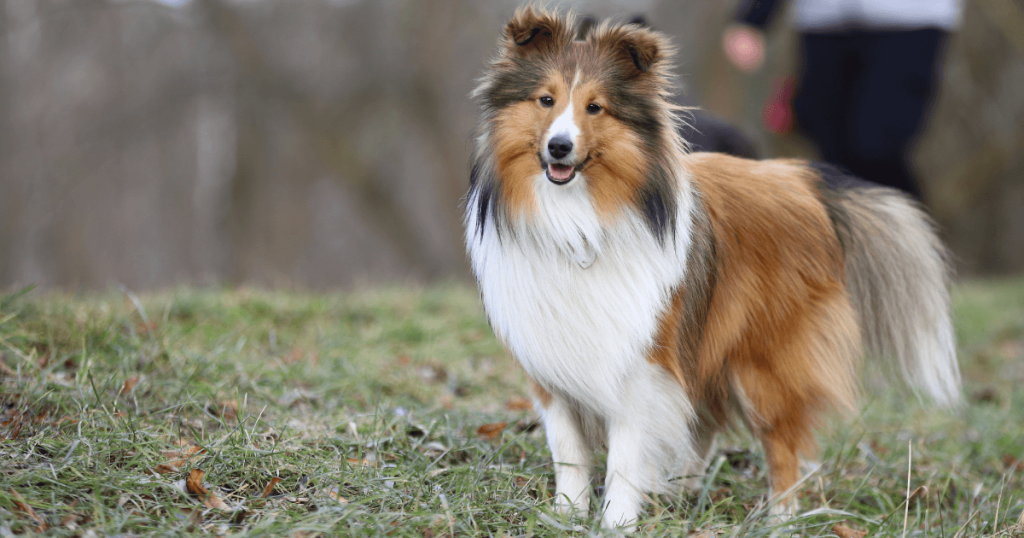
Shetland Sheepdogs are small to medium-sized dogs, standing 33-41 cm tall at the shoulder and weighing between 7-11 kg. They possess a distinctive double coat, consisting of a long, flowing outer coat and a dense, soft undercoat. This coat provides excellent insulation against the elements.
Shelties come in a variety of colours, including sable (ranging from golden to mahogany), black, blue merle, and tricolour (black, white, and tan). All colours may have white markings on the chest, legs, and tail tip. Their almond-shaped eyes are typically dark brown, although blue eyes can occur in blue merle Shelties. Their ears are typically semi-erect, with the tips folding forward. The overall impression is one of elegance, agility, and alertness. Their long, plumed tail adds to their graceful appearance, and their expressive eyes reflect their intelligence and eagerness. The Sheltie’s physical characteristics perfectly reflect its heritage as a working dog, combining practicality with undeniable beauty.
5. Temperament and Personality
What’s Their True Nature? Intelligent, Loyal, but Sometimes Reserved
Shelties are renowned for their intelligence, loyalty, and affectionate nature. They form strong bonds with their families and are often described as “velcro dogs” due to their desire to be close to their owners. They are playful and energetic, enjoying games and activities that challenge their minds and bodies.
However, Shelties can be reserved with strangers, and early socialisation is crucial to prevent shyness or fearfulness. They also have a tendency to bark, which can be a valuable trait for alerting their owners to potential dangers but can also become a nuisance if not managed properly. Their intelligence means they need mental stimulation to prevent boredom, which can lead to destructive behaviours. Despite their reserved nature with strangers, Shelties are incredibly loving and devoted to their families, making them wonderful companions.

6. Training and Socialisation
Raising a Well-Behaved Sheltie: Consistency is Key
Shelties are eager to please and highly intelligent, making them relatively easy to train. Positive reinforcement methods, such as treats and praise, work best. Consistency is essential, as Shelties can be sensitive and may become confused by inconsistent commands.
Early socialisation is critical to help Shelties develop into well-adjusted adults. Expose them to a variety of people, places, and sounds from a young age. Puppy classes and obedience training can provide valuable opportunities for socialisation and training. Addressing their barking tendency early on through training is important. Teaching a “quiet” command can be extremely beneficial. Socialisation should continue throughout their lives to ensure they remain confident and well-behaved in various situations.
7. Exercise and Activity Needs
Keeping Them Active and Happy: More Than Just Walks
Shelties have moderate exercise needs. While they are not as high-energy as some herding breeds, they still require daily physical and mental stimulation to stay happy and healthy.
Daily walks, playtime in the yard, and interactive games are all excellent ways to provide Shelties with the exercise they need. They also excel in dog sports, such as agility, obedience, and herding. These activities provide a great outlet for their energy and intelligence. Puzzle toys and training sessions can also help to keep their minds engaged. A bored Sheltie is often a destructive Sheltie, so providing adequate exercise and mental stimulation is crucial for their well-being.
8. Nutrition and Dietary Needs
Feeding Your Sheltie Right: Quality Over Quantity
A high-quality dog food that is specifically formulated for small to medium-sized breeds is essential for Shelties. Look for a food that is rich in protein and contains healthy fats and carbohydrates. The feeding schedule varies depending on the dog’s age, but, in general, a Sheltie should be fed twice a day. Puppies will require more frequent feedings.
Be careful not to overfeed your Sheltie, as they can be prone to weight gain. Monitor their body condition and adjust their food intake as needed. Consult with your veterinarian to determine the best diet and feeding schedule for your individual Sheltie. Fresh water should always be available. Avoid feeding them table scraps, as these can lead to digestive issues and weight gain.

9. Grooming and Coat Care
Caring for Their Signature Look: Regular Brushing is Non-Negotiable
Shelties have a long, double coat that requires regular grooming to prevent matting and tangles. Daily brushing is ideal, but at least 2-3 times a week is necessary. Use a slicker brush and an undercoat rake to remove loose hair and prevent mats from forming.
Shelties shed heavily during shedding season (usually twice a year), so more frequent brushing is needed during these times. Regular bathing is also important to keep their coat clean and healthy, but avoid over-bathing, as this can dry out their skin. Pay special attention to the hair behind their ears and under their legs, as these areas are prone to matting. Regular nail trims are also essential for their overall health and comfort.
10. Common Health Issues
Staying Healthy and Happy: Awareness and Prevention
While Shelties are generally healthy dogs, they are prone to certain genetic health issues, including:
- Collie Eye Anomaly (CEA): A hereditary eye disease that can cause vision problems.
- Progressive Retinal Atrophy (PRA): A degenerative eye disease that leads to blindness.
- Dermatomyositis: An inherited inflammatory disease affecting the skin and muscles.
- Hip Dysplasia: A malformation of the hip joint that can lead to arthritis.
Preventative care, such as regular vet check-ups, a healthy diet, and appropriate exercise, can help to minimise the risk of these health problems. Genetic testing can also help breeders identify carriers of certain genetic diseases and make informed breeding decisions. Early detection and treatment are crucial for managing these health issues and ensuring your Sheltie lives a long and happy life.
11. Fun Facts
Did You Know?
- Shelties are often used as therapy dogs due to their gentle and affectionate nature.
- They are one of the smartest dog breeds, consistently ranking high in intelligence tests.
- Shelties were originally used to herd miniature Shetland sheep, which are also native to the Shetland Islands.
- Their barking can be quite distinctive, with a high-pitched sound that some find endearing, while others find irritating.
- Shelties excel in dog sports like agility, obedience, and herding, showcasing their intelligence and athleticism.

12. Is a Sheltie Right for You?
Who’s the Perfect Match? The Ideal Sheltie Owner Profile
Shelties are best suited for active families or individuals who can provide them with plenty of attention, exercise, and mental stimulation. They thrive in homes where they are included in family activities and have opportunities to use their intelligence.
Shelties are not a good choice for people who are gone for long periods of time or who are not willing to commit to regular grooming and training. They also require a secure yard, as they have a tendency to chase and may wander if given the opportunity. If you are prepared to dedicate time for training, socialisation and grooming, a Sheltie can be a loving and rewarding companion.
13. FAQs
Common Questions About Shelties
How much exercise does a Sheltie need?
Shelties need at least 30-60 minutes of exercise per day, including walks, playtime, and mental stimulation.
Are Shelties good with kids?
Yes, Shelties are generally good with kids, especially if they are raised together. However, it’s important to supervise interactions between Shelties and young children to ensure that both are respectful of each other.
Do Shelties shed a lot?
Yes, Shelties shed moderately year-round and heavily during shedding season. Regular brushing can help to minimise shedding.
Are Shelties easy to train?
Yes, Shelties are highly intelligent and eager to please, making them relatively easy to train with positive reinforcement methods.
What is the average lifespan of a Sheltie?
The average lifespan of a Sheltie is 12-15 years.
14. Conclusion
The Shetland Sheepdog is a beautiful, intelligent, and loyal breed that can make a wonderful companion for the right owner. With their moderate exercise needs, high trainability, and affectionate nature, Shelties are well-suited for active families and individuals who are willing to provide them with the care and attention they need.
Do you have a Sheltie? Share your experiences and tips in the comments below! And don’t forget to check out our other articles on dog breeds and care!

At Pet Care Community, our team of passionate pet lovers, writers, and veterinary-approved experts share reliable tips, guides, and resources to help you give your furry friends the happiest and healthiest life possible. From dog breeds and training advice to nutrition, wellness, and pet parenting hacks, we’re here to support every step of your journey as a pet parent.