

1. Introduction
2. Quick Overview
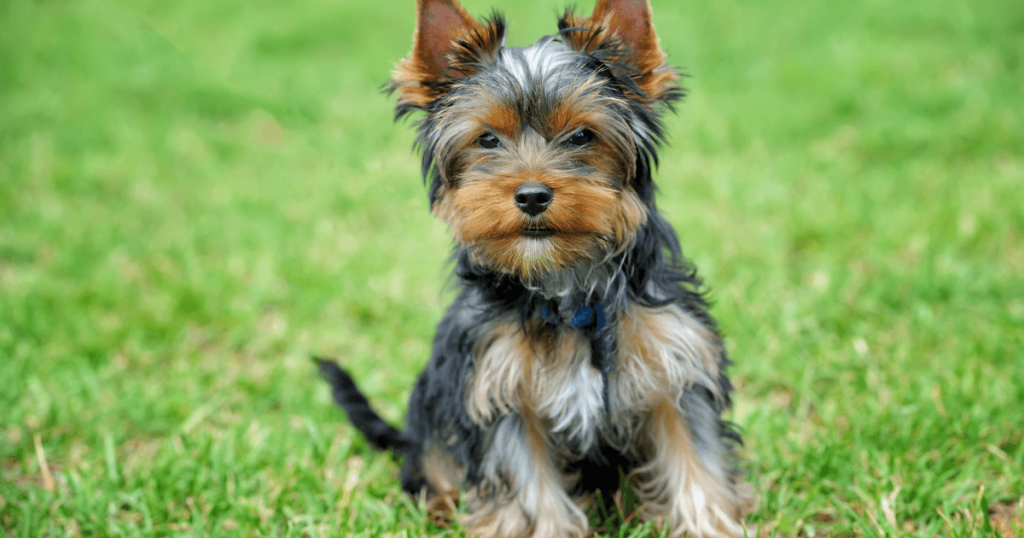
The Yorkshire Terrier, affectionately known as the Yorkie, is a toy breed renowned for its silky, flowing coat and confident demeanor. Originating in Yorkshire, England, these little dogs have captured the hearts of owners worldwide. Here’s a snapshot of what makes them special:
| Characteristic | Description |
|---|---|
| Breed Name: | Yorkshire Terrier |
| Origin: | England (Yorkshire) |
| Size: | Small (4–7 pounds) |
| Lifespan: | 12–15 years |
| Temperament: | Affectionate, Bold, Intelligent, Independent |
| Coat: | Long, Silky, Hypoallergenic |
| Grooming Needs: | High |
| Exercise Needs: | Moderate |
| Training: | Relatively Easy (but can be stubborn) |
| Health: | Prone to dental problems, luxating patella, tracheal collapse, portosystemic shunt, and Legg-Calvé-Perthes Disease |
| Best Suited For: | Apartment living, Families with older children, Experienced dog owners |
3. History and Origin
Where It All Began: The Mills of Yorkshire.
The Yorkshire Terrier breed history and origin can be traced back to 19th-century England, specifically the county of Yorkshire. Scottish weavers migrated to Yorkshire seeking work in the textile mills and brought with them various small terrier-type dogs. These dogs, including the Waterside Terrier and Clydesdale Terrier, were used to control rodents in the mills and mines.
It’s fascinating to see how a working-class dog transformed into a glamorous companion. The breed’s development involved crossbreeding these terriers, which ultimately led to the creation of the Yorkshire Terrier. The breed was officially recognised by the Kennel Club in 1886. Genetic studies could further refine our understanding of the exact breeds that contributed to the modern Yorkie, potentially revealing surprising ancestors.
4. Physical Characteristics
What Makes a Yorkie a Yorkie? The Silky Coat and Petite Size.
Yorkshire Terriers are toy-sized dogs, typically weighing between 4 and 7 pounds. They are characterised by their long, flowing, silky coat that is parted down the middle of their back. The coat is typically steel blue and tan, although puppy coats can be darker. The coat is a defining feature of the breed, requiring significant grooming to maintain its health and appearance. The silky texture is due to the lack of an undercoat, which also makes them relatively hypoallergenic. Breeders are continually working to refine the breed standard, focusing on coat quality, color consistency, and overall conformation.

5. Temperament and Personality
What’s Their True Nature? Bold and Affectionate.
Yorkies are known for their affectionate, playful, and sometimes stubborn personalities. They are intelligent dogs but can be independent, making training a rewarding challenge. They are also known to be alert watchdogs, often barking at unfamiliar sounds. In my experience, early socialization is crucial for Yorkies. They can be prone to “small dog syndrome,” exhibiting bossy or anxious behaviors if not properly socialised with other dogs and people. Advances in canine behavioral science may lead to more effective training techniques tailored to the Yorkie’s specific personality traits.
- Pros: Affectionate, good watchdogs, relatively hypoallergenic.
- Cons: Can be yappy, prone to separation anxiety, can be stubborn.
6. Training and Socialisation
Raising a Well-Behaved Yorkie: Consistency is Key.
Yorkshire Terriers respond well to positive reinforcement training methods. Consistency and patience are essential, as they can be independent thinkers. Early socialization is crucial to prevent fearfulness or aggression towards strangers or other animals. Housebreaking can be a challenge with Yorkies due to their small bladder size. Crate training and a consistent potty schedule are highly recommended. Online resources and personalized training apps are making it easier than ever to access professional dog training advice, even for specific breeds like the Yorkshire Terrier.
7. Exercise and Activity Needs
Keeping Them Active and Happy: More Than Just Lapdogs.
Despite their small size, Yorkies need regular exercise to stay healthy and happy. A daily walk of 20-30 minutes, combined with playtime, is usually sufficient. Mental stimulation is just as important as physical exercise. Puzzle toys, interactive games, and short training sessions can help keep them engaged and prevent boredom. The market for interactive dog toys and activity trackers is expanding, offering new ways to monitor and manage a Yorkie’s exercise needs.
Suggested activities: Walks in the park, playing fetch indoors, puzzle toys.

8. Nutrition and Dietary Needs
Feeding Your Yorkie Right: Small Breed, Big Appetite.
Yorkshire Terriers need a high-quality dog food formulated for small breeds. Due to their small size, they are prone to hypoglycemia (low blood sugar), so it’s important to feed them frequent, small meals throughout the day. Be mindful of portion sizes to prevent obesity, which can exacerbate health problems like joint issues. Personalized dog food options, tailored to a Yorkie’s age, activity level, and health conditions, are becoming increasingly available.
9. Grooming and Coat Care
Caring for Their Signature Look: The Royal Treatment.
Yorkies have a long, silky coat that requires daily brushing to prevent mats and tangles. Regular bathing (every 1-2 weeks) is also necessary. Many owners opt to keep their Yorkies in a “puppy cut” for easier maintenance. Professional grooming is often recommended to maintain the coat’s health and appearance. Regular ear cleaning and nail trimming are also essential. Innovations in grooming tools and products, such as self-cleaning brushes and hypoallergenic shampoos, are making Yorkie coat care more manageable.
10. Common Health Issues
Staying Healthy and Happy: Being Aware of Potential Problems.
Yorkshire Terriers are prone to certain health issues, including dental problems (due to their small mouths), luxating patella (kneecap dislocation), tracheal collapse (a weakening of the trachea), portosystemic shunt (an abnormal blood vessel connection), and Legg-Calve-Perthes Disease (degeneration of the hip joint). Regular veterinary check-ups are crucial for early detection and management of these health problems. Maintaining a healthy weight and providing appropriate exercise can also help prevent some of these issues. Genetic testing is becoming more widely available, allowing breeders to screen for predispositions to certain health problems and make more informed breeding decisions.

11. Fun Facts
Did You Know? Yorkies Were Once Ratters!
Yorkies were originally bred to catch rats in textile mills and mines. Their small size and tenacious nature made them effective rodent control agents.
12. Is a Yorkie Right for You?
Who’s the Perfect Match? Consider Your Lifestyle.
Yorkshire Terriers are best suited for owners who can provide them with plenty of attention, consistent training, and regular grooming. They are adaptable to apartment living but still need daily exercise.
- Active vs laid-back lifestyles: Yorkies can adapt to both, but they require daily walks and playtime regardless.
- Family-oriented vs solo owner: They thrive in both environments, but early socialization is important if they will be around children or other pets.
13. FAQs
Common Questions About Yorkies
How much exercise does a Yorkie need?
A daily walk of 20-30 minutes, plus playtime, is usually sufficient.
Are Yorkies good with kids?
With proper socialization, they can be good with older, respectful children. Small children should always be supervised around Yorkies due to their delicate size.
Do Yorkies shed a lot?
Yorkies are considered low-shedding due to their lack of an undercoat, but they still require regular grooming.
14. Conclusion
Yorkshire Terriers are charming, intelligent, and affectionate companions that can bring joy to the right home. While they require dedication to grooming and training, the rewards of owning a Yorkie are immeasurable. Do you have a Yorkie story to share? Leave a comment below! And be sure to check out our other articles on small breed care.
Author & References
This article was reviewed by a certified dog behaviourist in Australia. Information sourced from the Australian National Kennel Council (ANKC), RSPCA Australia, and veterinary guidelines.

At Pet Care Community, our team of passionate pet lovers, writers, and veterinary-approved experts share reliable tips, guides, and resources to help you give your furry friends the happiest and healthiest life possible. From dog breeds and training advice to nutrition, wellness, and pet parenting hacks, we’re here to support every step of your journey as a pet parent.