

You want the best for your dog. You see them slow down after meals, or notice their coat isn’t as shiny as it used to be. Maybe they’re restless, or their energy dips mid-afternoon. These signs often trace back to what’s in their bowl.
Nutrition shapes everything from your dog’s energy levels to their immune strength. A balanced diet isn’t just about filling their stomach. It’s about giving their body the building blocks it needs to thrive. The good news? You don’t need to be a canine nutritionist to get this right. You just need clear, evidence-based information and a willingness to pay attention to what your dog’s body is telling you.
In Australia, all pet foods must meet the Australian Standard AS5812-2023 for safety and nutritional adequacy. This standard helps protect your dog, but understanding what actually goes into a balanced diet helps you make better choices for their individual needs. If you’ve ever wondered if your dog’s sluggish behaviour or skin issues might be diet-related, checking their symptoms can help you understand what’s happening.
This guide will walk you through holistic nutrition for dogs, what makes a diet truly balanced, and how to use preventive nutrition to support your dog’s long-term wellness.
Quick Answers: What You Need to Know
- Holistic nutrition means considering your dog’s whole body and life stage, not just meeting minimum nutrient requirements. It focuses on quality ingredients, digestibility, and how nutrients work together.
- A balanced diet includes appropriate amounts of protein, fats, carbohydrates, vitamins, minerals, and water, tailored to your dog’s age, size, and activity level.
- Key action: Feed high-quality commercial food that complies with Australian Standard AS5812-2023 or consult a vet nutritionist for home-prepared diets.
- Energy and immunity are directly influenced by nutrition, particularly through adequate protein, omega-3 fatty acids, and antioxidants.
- First steps: Choose premium commercial food appropriate for your dog’s life stage, maintain consistent feeding times, and monitor your dog’s body condition regularly.
- When to get help: If your dog shows unexplained weight changes, persistent digestive issues, low energy, or coat problems despite good-quality food, talk to your vet.
- Most important: Deficiencies or excesses in calories, vitamins, and minerals can affect your dog’s health and must be assessed by veterinarians (source: Australian Veterinary Association).
What Holistic Nutrition Means for Dogs
Holistic nutrition for dogs goes beyond simply providing enough calories. It means looking at your dog as a complete organism with interconnected systems. Your dog’s gut health affects their immune function. Their protein intake influences muscle maintenance, organ function, and even their coat quality. Their fat intake determines inflammation levels and brain health.
The holistic approach considers:
Individual needs. A working cattle dog burns energy differently than a sedentary companion dog. A growing puppy needs different nutrient ratios than a senior dog. Holistic nutrition accounts for these variables.
Nutrient synergy. Vitamins and minerals don’t work in isolation. Calcium absorption depends on vitamin D. Protein quality affects how well your dog can use amino acids. Iron absorption is influenced by vitamin C. A holistic view considers how nutrients interact.
Prevention, not just treatment. Rather than waiting for health problems to emerge, holistic nutrition aims to prevent them. This means choosing foods that support immune function, maintain healthy weight, and reduce inflammation over time.
Food quality. Holistic nutrition prioritises digestible, bioavailable nutrients over cheap fillers. It recognises that not all protein sources are created equal, and that processing methods affect nutrient retention.
The Australian Veterinary Association emphasises that nutritional status is a vital indicator of health and welfare, and should be assessed as part of a holistic approach to veterinary care.
This doesn’t mean expensive exotic ingredients or complicated recipes. It means understanding what your dog actually needs and choosing foods that deliver those nutrients in forms their body can use effectively.
What Makes a Balanced Diet for Dogs
A balanced diet provides all essential nutrients in the right proportions. Dogs need six essential nutrient classes: water, protein, fats, carbohydrates, vitamins, and minerals.
Protein requirements
Protein provides amino acids for muscle maintenance, organ function, enzyme production, and immune health. Adult dogs require a minimum of 18% protein on a dry matter basis (source: RSPCA Australia). Growing puppies need at least 22.5% protein to support development.
Quality matters more than quantity. High-quality proteins from meat, fish, and eggs provide complete amino acid profiles that dogs can readily absorb and use.
Fats and essential fatty acids
Fats serve as the primary energy source for dogs and deliver essential fatty acids that support skin health, coat condition, brain function, and inflammation control. Commercial dog foods typically contain 5 to 15% fat for adults and 8 to 20% for puppies.
Omega-3 fatty acids, particularly EPA and DHA from marine sources, have been shown to modify inflammatory and immune responses in dogs (source: PubMed).
Carbohydrates and fibre
Dogs don’t have a specific carbohydrate requirement, but carbohydrates provide readily available glucose for energy. Dogs have evolved the ability to digest starch and fat efficiently.
Fibre supports digestive health by promoting beneficial gut bacteria and regular bowel movements. Moderately fermentable fibres provide the best balance of benefits without causing excessive gas.
Vitamins and minerals
These micronutrients support everything from bone development to blood clotting to vision. They work in precise ratios. Too much calcium relative to phosphorus can affect bone growth in large breed puppies. Too little vitamin D impairs calcium absorption.
Mineral deficiency is rare in well-balanced commercial diets. However, manipulation of minerals like calcium, phosphorus, and sodium is common in therapeutic diets for specific health conditions.
Water
Water makes up 60 to 70% of an adult dog’s body weight. Fresh water must be available at all times. Dogs self-regulate their water intake when given free access.
Premium commercial foods formulated to meet Australian Standard AS5812-2023 provide these nutrients in appropriate ratios for different life stages. If you’re considering home-prepared meals, work with a veterinary nutritionist to ensure complete nutrition.

Key Nutrients and Why They Matter
Understanding what specific nutrients do helps you make informed choices about your dog’s diet.
Protein and amino acids
Protein isn’t just for building muscle. It’s required for:
Creating enzymes that drive metabolic reactions Producing hormones that regulate body functions Maintaining healthy skin and coat Supporting immune cell production Repairing tissues after injury
Dogs need specific amino acids, not just total protein. Essential amino acids like lysine, methionine, and tryptophan must come from food because dogs can’t synthesise them.
Omega-3 fatty acids EPA and DHA
These long-chain omega-3s from fish oil and marine sources have potent anti-inflammatory properties. Research shows they can:
Modulate immune responses Support skin and coat health Aid cognitive function in senior dogs Reduce inflammation in dogs with arthritis
The ratio of omega-6 to omega-3 fatty acids matters. A ratio of 5:1 has been shown to decrease inflammatory markers while maintaining immune function.
Calcium and phosphorus
These minerals work in careful balance. The correct calcium to phosphorus ratio is crucial, particularly for growing puppies. Young animals from weaning to about six months may not be able to regulate intestinal calcium absorption when excess calcium is in the diet, which can lead to developmental bone problems.
Zinc
Zinc plays a vital role in immune cell signalling, influencing immune cell activity, function, and development. Deficiency is rare in balanced diets, but zinc is essential for wound healing, skin integrity, and immune defence.
Antioxidants
Vitamins C and E, along with phytonutrients like carotenoids and polyphenols, help neutralise free radicals and support immune function. Research indicates that carotenoid supplementation can improve T-cell responses in older dogs, counteracting age-related immune decline.
These nutrients don’t work alone. They interact in complex ways. This is why feeding a complete, balanced diet formulated by experts is safer than attempting to piece together nutrition from individual ingredients without professional guidance.
Superfoods for Dogs: What the Evidence Says
The term “superfood” is popular in marketing, but what does evidence actually support?
Fish and marine oils
These provide omega-3 fatty acids EPA and DHA. Multiple studies confirm benefits for skin, coat, joint health, and immune modulation. However, excessive omega-3 supplementation can suppress immune responses in healthy dogs, so balance is key.
Certain vegetables
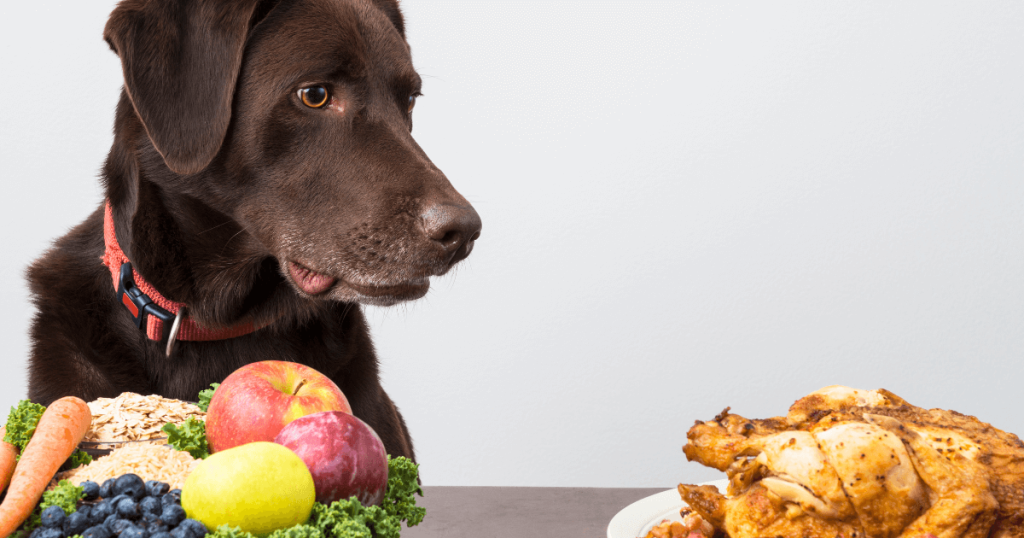
Cooked pumpkin and carrots provide fibre, beta-carotene, and other beneficial compounds. They’re safe in small amounts and can add variety to your dog’s diet. The RSPCA recommends offering these as occasional additions, not dietary staples.
Blueberries and cranberries
These berries contain polyphenols with antioxidant properties. Research shows some polyphenols can modulate gut microbiota and exert anti-inflammatory effects. However, they should be given in moderation as treats, not as primary nutrition sources.
What to be cautious about
Many ingredients marketed as superfoods lack robust evidence for dogs specifically. Human nutrition studies don’t always translate to canine physiology. Some “superfoods” can even be harmful. Grapes and raisins can cause kidney failure. Onions and garlic can lead to anaemia. Excessive liver consumption can cause vitamin A toxicity.
The bottom line
Whole, minimally processed ingredients have value, but they’re not magic. A balanced commercial diet formulated by veterinary nutritionists will provide better overall nutrition than an unbalanced homemade diet heavy on trendy ingredients.
If you want to incorporate beneficial whole foods, do so in small amounts and always check they’re safe. Superfoods should enhance, not replace, a complete balanced diet.

How Nutrition Supports Energy and Immunity
Your dog’s vitality and disease resistance both depend heavily on what they eat.
Energy and metabolism
Dogs derive energy from three macronutrients: proteins, fats, and carbohydrates. Fats provide the most concentrated energy source. The energy content of a diet determines portion size, and other nutrient concentrations must be adjusted accordingly.
When energy needs are high such as during growth, pregnancy, or heavy work activity, the diet may need 40 to 70% more calories compared to maintenance levels. Carbohydrates become conditionally essential during these high-demand periods to prevent protein being diverted for energy when it’s needed for growth and repair.
Immune function
About 70% of a dog’s immune system resides in their gastrointestinal tract. This means gut health directly affects immune capability.
Nutrition influences immunity through several pathways:
High-quality protein provides amino acids needed to produce immune cells and antibodies.
Omega-3 fatty acids EPA and DHA have anti-inflammatory properties that help regulate immune responses without suppressing them entirely.
Zinc influences immune cell signalling and function.
Antioxidants like vitamins C and E protect immune cells from oxidative damage.
Prebiotics and probiotics support beneficial gut bacteria, which in turn support immune function.
Research demonstrates that polyphenols from plants can modulate gut microbiota and reduce inflammatory status in dogs with various health conditions.
What this means practically
Feed a complete, balanced diet appropriate for your dog’s life stage and activity level. Monitor energy levels throughout the day. Dogs should be alert and active, not lethargic after meals. If you notice persistent low energy, check for other symptoms that might indicate underlying issues requiring veterinary attention.
Support immune health by avoiding overfeeding, which contributes to obesity and inflammation. Maintain lean body condition. You should be able to feel your dog’s ribs with light pressure but not see them prominently.
Preventive Nutrition Tips for Long-Term Wellness
Prevention is more effective and less expensive than treatment. These nutrition strategies support lifelong health.
Choose life-stage appropriate food
Puppy food supports growth with higher protein and fat. Adult maintenance food prevents excess weight gain. Senior food often has adjusted protein, phosphorus, and calories to support ageing bodies. Large breed puppy food has controlled calcium to support healthy skeletal development.
Maintain consistent feeding schedules
Feed adult dogs at least twice daily to help prevent bloat, a potentially fatal condition particularly in deep-chested breeds like Boxers and German Shepherds. Puppies need more frequent meals, starting with four times daily and gradually reducing as they mature.
Monitor body condition, not just weight
Use a body condition scoring system. You should feel ribs easily but not see them prominently. Your dog should have a visible waist when viewed from above. Adjust portions based on body condition, not just the feeding guide on the package.
Make diet transitions gradually
Sudden food changes can cause digestive upset. When switching foods, mix small amounts of the new food with the old, gradually increasing the proportion over 7 to 14 days.
Limit treats appropriately
Treats should represent no more than 5% of daily caloric intake. The rest should come from nutritionally complete food. Use tiny portions during training. Opt for healthy options like small pieces of carrot or commercial dental chews rather than fatty, sugary treats.
Ensure constant water access
Change water daily and keep the bowl filled. Proper hydration supports every body system.
Regular veterinary check-ups
Your vet can assess body condition, identify early signs of nutritional imbalance, and adjust feeding recommendations as your dog ages or their activity level changes.
Be cautious with home-prepared diets
Many home-cooked diets lack essential nutrients. If you prefer preparing your dog’s food, work with a veterinary nutritionist to formulate a complete recipe. RSPCA Australia notes that dogs fed predominantly with single food items like meat can develop serious deficiencies (source: RSPCA Pet Insurance.
Preventive nutrition requires attention and consistency, but it’s one of the most powerful tools you have for supporting your dog’s long-term health and quality of life.
Common Nutrition Mistakes to Avoid
Even well-intentioned dog owners make these errors. Knowing what to avoid helps you dodge preventable problems.
Overfeeding
Obesity is common in Australian dogs and contributes to arthritis, diabetes, heart disease, and shortened lifespan. Follow feeding guidelines as a starting point, but adjust based on your individual dog’s body condition and activity level. If your dog is gaining weight, reduce portions or increase exercise.
Feeding an unbalanced homemade diet
Home-cooked meals can lack vital nutrients. Dogs fed only meat can develop calcium deficiency due to incorrect calcium to phosphorus ratios, affecting their bones. Feeding primarily liver can cause vitamin A toxicity. These mistakes happen frequently when owners don’t consult veterinary nutritionists.
Assuming all commercial foods are equal
Not all pet foods meet the same quality standards. Check that products comply with Australian Standard AS5812-2023. Look for foods formulated by veterinary nutritionists and backed by feeding trials, not just laboratory analysis.
Feeding raw meat and bones without precautions
Raw meat carries bacteria like salmonella and campylobacter that can harm both dogs and humans, especially young children. Raw bones can cause choking, intestinal obstruction, or broken teeth. If you choose to feed raw, use only human-grade meat and practice strict food hygiene. RSPCA Australia does not recommend raw meat-based diets due to these risks.
Feeding toxic foods
Never feed chocolate, grapes, raisins, onions, garlic, macadamia nuts, or xylitol (artificial sweetener). These can cause serious illness or death. Avoid cooked bones, which can splinter and cause internal damage.
Supplementing without veterinary guidance
Excessive vitamins and minerals can cause toxicity. Too much calcium in growing large breed puppies can lead to skeletal problems. Fat-soluble vitamins like A, D, E, and K can accumulate to toxic levels. Only supplement under veterinary supervision.
Ignoring life-stage transitions
Continuing to feed puppy food to adult dogs can lead to obesity. Feeding adult food to puppies can cause developmental issues. Senior dogs often need different nutrient profiles to support ageing organs. Transition foods when your dog reaches new life stages.
Neglecting dental health
Diet affects oral health. Dry kibble provides some mechanical cleaning action. Dental chews approved by the Veterinary Oral Health Council can help reduce plaque and tartar. Poor dental health leads to pain, infection, and systemic health problems.
Avoiding these mistakes requires education and vigilance, but the payoff is significant in terms of your dog’s health and longevity.

When to Talk to a Vet or Nutrition Professional
Some situations require professional input. Don’t rely solely on general information when your dog has specific needs or problems.
Seek veterinary nutritional advice if:
Your dog has unexplained weight loss or gain despite appropriate feeding.
You notice persistent digestive issues such as diarrhoea, vomiting, or constipation.
Your dog shows signs of food allergies or intolerances, including skin itching, ear infections, or digestive upset.
You’re considering a home-prepared diet for your dog.
Your dog has a diagnosed health condition like kidney disease, diabetes, heart disease, or food allergies that requires a therapeutic diet.
You want to feed a raw diet and need guidance on balancing nutrients and managing food safety risks.
Your dog is pregnant, nursing, or a growing large-breed puppy with special nutritional requirements.
You notice changes in coat quality, energy levels, or behaviour that might be diet-related.
Your senior dog needs dietary adjustments to support ageing organs and changing metabolism.
Your dog is significantly underweight or overweight and standard feeding adjustments haven’t helped.
Why professional guidance matters
Veterinarians are best positioned to assess your dog’s nutritional requirements and should keep you informed about the importance of optimal body condition for health and wellbeing.
A veterinary nutritionist can formulate complete home-prepared diets that meet all of your dog’s needs. They can also recommend appropriate commercial therapeutic diets for medical conditions.
Early intervention prevents small problems from becoming serious health issues. If your dog’s diet isn’t supporting their energy, immunity, or overall wellness despite your best efforts, professional assessment can identify what’s missing or what needs adjustment.
Your vet can also help you distinguish between normal variations and signs that something is wrong. Not every behaviour change means nutritional deficiency, but some do, and professional judgment makes the difference.
When in doubt, ask. Veterinary professionals would rather address your questions early than treat preventable diseases later.
Frequently Asked Questions
What is holistic nutrition for dogs?
Holistic nutrition considers the whole dog and how all nutrients work together to support health. It focuses on quality ingredients, digestibility, nutrient interactions, and prevention rather than just meeting minimum requirements. The approach recognises that dogs are individuals with different needs based on age, breed, activity level, and health status.
How do I know if my dog’s diet is balanced?
A balanced diet meets all six essential nutrient classes (water, protein, fats, carbohydrates, vitamins, minerals) in appropriate ratios for your dog’s life stage. The easiest way to ensure balance is to feed premium commercial food that complies with Australian Standard AS5812-2023 or a diet formulated by a veterinary nutritionist. Signs of good nutrition include healthy weight, shiny coat, good energy, normal stools, and overall vitality.
Can I feed my dog a vegetarian or vegan diet?
Dogs are omnivores and can technically survive on plant-based diets, but these diets require very careful formulation to provide all essential nutrients, particularly protein, certain amino acids, vitamin B12, and some minerals. Work with a veterinary nutritionist if you want to feed a vegetarian or vegan diet to ensure it’s nutritionally complete. Never feed cats vegetarian or vegan diets, as they are obligate carnivores with different requirements.
Are grain-free diets better for dogs?
Grains are not inherently harmful to most dogs. Dogs have evolved to digest starch efficiently. Some grain-free diets use ingredients or proportions that haven’t been extensively tested for long-term safety. Unless your dog has a diagnosed grain allergy (which is rare), there’s no evidence-based reason to avoid grains. Focus on overall diet quality rather than specific ingredient trends.
How much should I feed my dog?
The amount depends on your dog’s size, age, breed, activity level, and metabolism. Start with the manufacturer’s feeding guidelines, then adjust based on your dog’s body condition. You should be able to feel ribs easily but not see them prominently. If your dog is gaining or losing weight, adjust portions accordingly. Split the daily amount into at least two meals for adults, more for puppies.
What are the best protein sources for dogs?
High-quality animal proteins from meat, poultry, fish, and eggs provide complete amino acid profiles. Quality matters more than the specific source. Look for named proteins (chicken, beef, salmon) rather than vague terms like “meat meal.” Protein digestibility and amino acid availability are more important than total protein percentage.
Do dogs need supplements?
Dogs eating complete, balanced commercial diets formulated to meet AAFCO or AS5812-2023 standards generally don’t need supplements. Over-supplementation can cause imbalances and toxicity. Only add supplements under veterinary guidance, particularly for specific health conditions, home-prepared diets, or therapeutic purposes.
How do I transition my dog to a new food?
Mix 25% new food with 75% old food for days 1 and 2. Increase to 50-50 for days 3 and 4. Use 75% new food with 25% old for days 5 and 6. Feed 100% new food from day 7. This gradual transition prevents digestive upset. Extend the timeline if your dog has a sensitive stomach.
Is raw feeding safe for dogs?
Raw meat and bones carry bacteria that can harm both dogs and humans. Raw bones can cause broken teeth, choking, or intestinal blockage. RSPCA Australia does not recommend raw meat-based diets due to these risks. If you choose to feed raw despite these concerns, use only human-grade meat, practice strict food hygiene, and work with a veterinary nutritionist to ensure nutritional completeness.
When should I switch my puppy to adult food?
Small breeds typically transition around 9 to 12 months. Medium breeds around 12 months. Large and giant breeds may stay on puppy food until 12 to 24 months because they mature more slowly. Follow your vet’s recommendation based on your dog’s breed, size, and growth rate. Switching too early can shortchange development, while switching too late can contribute to obesity.
Final Note: This article provides evidence-based general guidance on dog nutrition and holistic wellness. Every dog is unique. For personalised dietary advice, especially if your dog has health concerns or special needs, consult your veterinarian or a veterinary nutritionist. If you’re welcoming a new puppy to your family, establishing good nutrition habits from the start will set them up for a healthy, energetic life.

A passionate dog lover, Raj Shakya has years of experience helping Aussie pet owners manage and overcome common dog training challenges. With a focus on positive reinforcement and practical solutions, Raj is dedicated to making life easier for both dogs and their families by encouraging better behaviour, stronger communication, and happier bonds.