

Does your dog’s breath smell less than fresh? You’re not alone. Bad breath in dogs is common, but it’s not normal. That distinctive odour often signals dental disease, which affects up to 80% of dogs over three years old (source: University of Sydney Veterinary Teaching Hospital).
While a bit of “dog breath” might seem harmless, it can point to serious oral health problems. Left untreated, these issues cause pain, tooth loss, and infections that spread beyond the mouth. The bacteria responsible for that smell can enter your dog’s bloodstream and damage vital organs including the heart, liver, and kidneys.
The good news? Bad breath is largely preventable. Understanding the causes helps you act early, protect your dog’s health, and avoid costly vet bills down the track. This guide covers everything you need to know about causes of dog bad breath, when to worry, and practical steps to keep your dog’s mouth healthy.
Whether you’re welcoming a new pup, perhaps one you’ve recently named using our pet name generator or managing an older dog’s dental health, early habits make all the difference.
Quick Answers
What does dog bad breath mean? Bad breath (halitosis) is a symptom, not a disease. The most common cause is periodontal disease, which affects 80-89% of dogs over three years old (source: PMC – Periodontal Disease Research).
Is it normal? No. Healthy dog mouths shouldn’t smell offensive. Persistent bad breath signals plaque buildup, gum infection, or other health issues requiring attention.
What causes it? Plaque and tartar lead to gum disease. Other causes include diet, mouth infections, systemic illness like kidney or liver disease, and diabetes.
How do I improve it? Daily tooth brushing is the gold standard. Dental chews, vet-approved products, and professional cleanings help. Always address the underlying cause.
When do I need a vet? If bad breath comes with red/bleeding gums, difficulty eating, drooling, pawing at the mouth, or smells like ammonia or acetone, book a vet visit urgently. Use our pet symptom checker to assess warning signs.
What Causes Bad Breath in Dogs
Bad breath starts with bacteria. Your dog’s mouth contains thousands of bacteria that multiply on tooth surfaces. These bacteria form an invisible layer called plaque, a sticky biofilm that clings to teeth (source: VCA Animal Hospitals – Dental Disease).
Within 24 hours, minerals in saliva begin hardening plaque into tartar (also called calculus). Tartar creates a rough surface that traps more plaque and bacteria. As bacteria build up, they produce volatile sulfur compounds the source of that distinctive smell.
Primary causes of dog bad breath:
Periodontal disease This is the number one cause. Bacteria invade below the gum line, causing inflammation (gingivitis) and eventually destroying the tissues that hold teeth in place (periodontitis). Almost half of dog owners report noticing halitosis in their dogs.
Plaque and tartar buildup Even after professional cleaning, plaque forms within 24 hours. Without daily removal through brushing, it mineralizes into tartar within days (source: Cornell University Veterinary Medicine).
Diet and eating habits Dogs who eat inappropriate items, feces, garbage, or decaying matter develop foul breath. Raw diets can disrupt the normal bacterial balance in the mouth and gut, potentially contributing to halitosis.
Oral infections and abscesses Tooth root abscesses, fractured teeth with exposed pulp, and oral wounds create infection sites that smell.
Systemic diseases Bad breath sometimes signals illness beyond the mouth. Kidney disease causes a urine or ammonia smell. Liver disease can produce distinctive odours. Diabetes, when uncontrolled, creates a sweet or fruity acetone breath due to ketone buildup.
When Bad Breath Is a Warning Sign
Not all bad breath is the same. The type of smell and accompanying symptoms tell you whether this is a dental issue or something more serious.
Red flags requiring immediate vet attention:
Ammonia or urine smell This suggests kidney dysfunction. When kidneys fail to filter waste properly, urea builds up in the blood. Excessive urea (uremia) can cause mouth ulcers and severe breath odour.
Sweet or fruity acetone smell This indicates possible diabetic ketoacidosis (DKA), a life-threatening complication of diabetes. When cells can’t use glucose for energy, the body breaks down fat, producing ketones that smell like nail polish remover. DKA requires emergency treatment (source: Kingsdale Animal Hospital – Diabetic Ketoacidosis).
Foul rotting smell with visible symptoms Bad breath paired with red or bleeding gums, visible tartar, loose teeth, drooling, difficulty eating, or facial swelling indicates advanced dental disease needing professional care.
Other concerning signs:
- Pawing at the mouth
- Head shaking or jaw chattering
- Dropping food while eating
- Appetite loss or weight loss
- Blood in saliva or drool
- Swelling under the eyes or on the face
If you notice any combination of these symptoms, especially in combination with concerning breath odours, check warning signs with our pet symptom checker and contact your vet.
Common Dental and Oral Health Problems Linked to Halitosis
Understanding specific dental conditions helps you recognise what’s happening in your dog’s mouth.
Gingivitis
Gingivitis is inflammation and infection of the gums. It’s the first stage of periodontal disease and the only stage that’s fully reversible. Signs include red, swollen gums that may bleed when touched. Gingivitis causes bad breath but hasn’t yet damaged the structures supporting the teeth.
Periodontitis
When gingivitis progresses, bacteria destroy the periodontal ligament, gum tissue, and bone supporting the teeth. This is periodontitis. Periodontal disease is the most common disease in dogs over three years old, with reported prevalence between 80-89%. It causes:
- Deep gum pockets
- Bone loss visible on X-rays
- Loose or mobile teeth
- Tooth loss
- Chronic pain
Tooth root abscess
Abscesses form when bacteria enter the tooth through disease or fracture. The infection develops around the tooth root, causing severe pain, swelling (sometimes visible under the eye), and foul-smelling discharge.
Fractured or broken teeth
Dogs who chew hard objects like bones, antlers, or hard toys can fracture teeth. Complicated fractures expose the pulp (containing nerves and blood vessels), creating pain and infection risk. Bacteria enter through the break, causing decay and smell.
Oral tumours
Although less common, oral cancers or tumours can cause bad breath in older dogs. As masses grow, parts of the tissue die (necrose), producing persistent foul odour despite good home care.
Systemic complications
Periodontal disease doesn’t stay in the mouth. Bacteria from infected gums enter the bloodstream (bacteremia), potentially affecting other organs. Research shows connections between periodontal disease and damage to the heart, liver, and kidneys. Bacteria can cause:
- Heart valve infection (endocarditis)
- Kidney inflammation and dysfunction
- Liver inflammation and elevated enzymes
- Worsened diabetes control
How Vets Diagnose Dental Disease and Oral Issues
Proper diagnosis requires professional examination. Here’s what happens during a dental assessment.
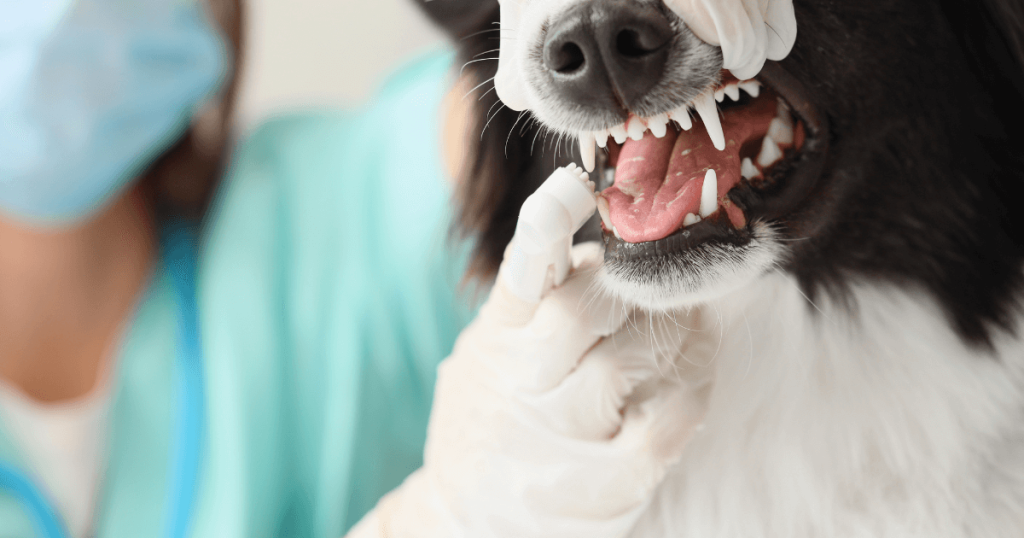
Conscious examination
At annual check-ups, your vet performs an awake oral exam. They’ll look for visible tartar, gum redness, loose teeth, and obvious problems. However, most dental disease hides below the gum line where you can’t see it. A conscious exam is limited and your dog won’t cooperate with thorough probing or detailed inspection.
Examination under anaesthesia
A complete dental assessment requires general anaesthesia. This allows your vet to:
- Examine all tooth surfaces, including under the gum line
- Use a periodontal probe to measure pocket depth around each tooth
- Check for loose teeth and assess each tooth’s viability
- Examine the entire mouth including tongue, palate, and throat
Anaesthesia is essential for safety and thoroughness. Your dog feels no pain or stress, and the vet can work carefully without risk of injury.
Dental X-rays (radiographs)
Intraoral X-rays are critical. Up to 60% of dental disease occurs below the gum line, invisible during visual examination. X-rays show:
- Bone loss around tooth roots
- Abscesses and infections
- Fractured tooth roots
- Whether teeth can be saved or need extraction
Dental charting
Your vet creates a dental chart documenting each tooth’s condition, pocket depths, mobility, and any pathology. This record helps track disease progression over time.
Additional tests
If systemic disease is suspected (kidney, liver, or diabetes), your vet will run blood work to check organ function, blood glucose levels, and overall health before proceeding with treatment.
How to Treat Dog Bad Breath Safely
Effective treatment addresses the underlying cause. Here’s what works.
Professional dental cleaning
If your dog has established tartar and gum disease, home care alone won’t fix it. They need a professional “scale and polish” under general anaesthesia. This involves:
- Pre-anaesthetic blood tests to check kidney and liver function
- Thorough scaling to remove plaque and tartar above and below the gum line
- Polishing to smooth tooth surfaces, which resists future tartar buildup
- Extraction of teeth that are too diseased or damaged to save
- Flushing the mouth with antiseptic
Don’t be tempted by “anaesthesia-free” dental cleanings. These procedures are purely cosmetic, cannot access the critical area below the gum line, and are strongly discouraged by veterinary dental experts.
After professional cleaning, daily home care is essential to prevent disease from returning. Without it, pockets can become reinfected within two weeks.
Daily oral care basics
Tooth brushing Brushing is the gold standard for preventing dental disease. It’s the most effective way to remove plaque before it mineralizes into tartar.
How often: Daily brushing is ideal. Research shows brushing every other day is acceptable, but weekly brushing provides minimal benefit.
What you need:
- A soft-bristled toothbrush (human toothbrushes work fine if appropriately sized)
- Dog-specific toothpaste (never use human toothpaste it contains fluoride and xylitol, both toxic to dogs)
Technique:
- Start slowly. Let your dog get used to having their mouth handled.
- Use dog toothpaste between the bristles so it stays against teeth and gums.
- Gently lift your dog’s lip and brush the outer surfaces of the teeth in small circular motions.
- Focus on the gum line where plaque accumulates. Brush at a 45-degree angle.
- Concentrate on the large cheek teeth and canines where tartar builds up fastest.
- You don’t need to brush the inner surfaces; your dog’s tongue naturally removes much of the plaque there.
- Aim for about 30 seconds per side.
Be patient. Training your dog to accept brushing can take weeks. Make it positive with praise and rewards.
Dog oral care tips
Use VOHC-approved products The Veterinary Oral Health Council (VOHC) evaluates dental products and awards a seal of acceptance to those proven to reduce plaque and tartar. Look for this seal on:
- Dental diets
- Dental chews and treats
- Water additives
- Toothpastes and gels
Visit vohc.org for the current list of accepted products.
Dental diets Some specially formulated foods use larger kibble size and unique textures to mechanically scrape teeth as your dog chews. They may also contain ingredients that reduce tartar formation. These diets help but don’t replace brushing.
Dental chews and treats Quality dental chews can help remove some plaque. Choose appropriate sizes for your dog’s weight to prevent choking hazards. Always supervise chewing sessions.
Water additives These products add enzymes or antimicrobial ingredients to your dog’s water bowl to help control bacteria and freshen breath. They’re a helpful addition but not a substitute for brushing.
Treating halitosis in dogs
Target the cause If bad breath results from periodontal disease, professional cleaning followed by daily home care treats the source. If systemic illness causes the odour, your vet will treat the underlying condition (kidney disease, diabetes, liver problems).
For existing dental disease:
- Professional cleaning under anaesthesia
- Possible tooth extractions if teeth are too damaged
- Antibiotics if infection is present
- Pain management if needed
For systemic causes:
- Kidney disease: special diets, medications, fluid therapy
- Diabetes: insulin therapy, dietary management, monitoring
- Liver disease: medications, dietary changes, treatment of underlying cause
What breath fresheners do and don’t fix
Breath fresheners, sprays, and water additives mask odour temporarily. They don’t treat dental disease or remove plaque and tartar. While some products contain antibacterial ingredients that reduce bacteria, they’re supplementary tools, not replacements for proper dental care.
Think of breath fresheners like mouthwash for humans helpful for freshness but useless against established gum disease.
What not to do
Don’t use human toothpaste Human toothpastes contain fluoride and may contain xylitol, both toxic to dogs. They also contain foaming agents dogs will swallow, causing stomach upset.
Don’t give risky chews. Hard bones, antlers, hooves, and some hard manufactured toys can fracture teeth. The risk often outweighs the dental benefit.
Don’t delay vet visits If your dog shows signs of dental pain, infection, or systemic illness, don’t try to manage it at home. Professional treatment is needed.
Don’t skip home care after professional cleaning Without daily plaque control after professional cleaning, dental disease returns quickly. Home care is essential for long-term results.
When to See a Vet or Book a Dental Check
Book a vet visit immediately if your dog has:
- Bad breath with a strong ammonia or sweet/fruity smell
- Red, swollen, or bleeding gums
- Visible tartar buildup (yellow-brown deposits on teeth)
- Loose or broken teeth
- Difficulty eating or dropping food
- Pawing at the mouth or rubbing the face
- Drooling excessively or drooling with blood
- Facial swelling, especially under the eyes
- Loss of appetite or weight loss
Schedule routine dental checks:
Even without obvious symptoms, regular vet check-ups should include oral examination. Most vets recommend annual dental assessments for adult dogs. Small breeds and older dogs may need more frequent monitoring as they’re at higher risk for dental disease.
Your vet will grade your dog’s dental health on a scale (typically 1-4, with 4 being severe). They’ll recommend professional cleaning when needed.
Don’t wait for pain signs
Dogs hide dental pain remarkably well. Many dogs with advanced dental disease continue eating normally. By the time you notice obvious symptoms, the disease is often advanced. Regular check-ups catch problems early.
Preventing Bad Breath Long Term
Prevention is always better than treatment. Here’s how to keep your dog’s mouth healthy.
Start early
Begin dental care habits as soon as you bring your puppy home. Young dogs adapt to tooth brushing more easily than older dogs. Establishing the routine early makes it part of normal life.
Brush daily
Daily brushing removes plaque before it mineralizes into tartar. Make it a pleasant ritual at the same time each day perhaps before bed when your dog is calm. Use praise and rewards to create positive associations.
Feed quality food
Well-balanced commercial dog foods support overall health including oral health. If you feed raw or home-cooked diets, work with a veterinary nutritionist to ensure proper balance and reduce risks of bacterial imbalance.
Provide safe chewing opportunities
Appropriate chewing helps clean teeth naturally. Offer safe options like rubber toys designed for dental health. Avoid hard items that can fracture teeth.
Use VOHC-approved products
Supplement brushing with vet-approved dental chews, water additives, or dental diets. These products have proven effectiveness but work best alongside regular brushing.
Schedule annual vet checks
Professional monitoring catches problems early. Your vet can spot early gingivitis and recommend action before periodontitis develops.
Act on early warning signs
Don’t ignore mild bad breath or slight gum redness. These early signs are easier to address than advanced disease requiring extractions.
Common Mistakes to Avoid
Assuming bad breath is normal, it’s not. Any persistent unpleasant smell warrants investigation.
Waiting for visible problems Most dental disease hides below the gum line. Don’t wait for loose teeth or obvious pain to take action.
Skipping daily brushing Brushing once a week isn’t enough. Plaque forms daily and needs daily removal.
Using anaesthesia-free dental cleaning These cosmetic procedures don’t address disease below the gum line and aren’t a substitute for proper veterinary dental care.
Giving hard chews that fracture teeth Marrow bones, antlers, and hard manufactured toys frequently cause tooth fractures requiring expensive dental procedures.
Believing diet alone prevents dental disease While dental diets help, they don’t replace brushing. No food provides the same plaque removal as mechanical brushing.
Ignoring breed risk factors Small and toy breeds are particularly susceptible to dental disease due to crowding and smaller jaw size. These dogs need extra attention to dental care.
Using human oral care products Human toothpaste, mouthwash, and dental products aren’t safe for dogs. Always use products formulated for pets.
FAQs
Q: My dog’s breath has always been bad. Should I still worry?
Yes. Chronic bad breath indicates chronic dental disease. The longer it goes untreated, the more damage occurs. Even if your dog seems fine, bacteria are causing ongoing inflammation and possibly affecting other organs. Book a vet check to assess the situation properly.
Q: Can I use baking soda to brush my dog’s teeth?
It’s not recommended. Baking soda has high alkaline content that can upset your dog’s stomach if swallowed. It also doesn’t taste good, making your dog less cooperative. Dog toothpastes are formulated to be safe when swallowed and come in flavours dogs enjoy, making brushing easier.
Q: How do I know if my dog’s bad breath is from dental disease or something more serious?
The smell provides clues. Typical “dog breath” or rotten smell usually indicates dental disease. An ammonia or urine smell suggests kidney problems. A sweet or fruity acetone smell indicates possible diabetic ketoacidosis. Any unusual breath odour combined with other symptoms (lethargy, vomiting, appetite changes, excessive thirst) requires immediate vet attention.
Q: My dog won’t let me brush their teeth. What should I do?
Start slowly and be patient. Begin by just touching your dog’s muzzle and rewarding them. Progress to lifting their lip briefly. Then try rubbing a finger along their teeth with dog toothpaste on it. Gradually introduce a finger brush, then a regular toothbrush. This process can take weeks or months. Make every session positive with praise and rewards. If your dog truly won’t tolerate it, ask your vet about alternative plaque control options, but understand these are less effective than brushing.
Q: How often should my dog have professional dental cleaning?
It depends on your dog’s oral health, breed, age, and home care routine. Dogs with excellent daily home care might need professional cleaning every 2-3 years or longer. Dogs prone to dental disease or those without regular home care might need annual or more frequent cleanings. Your vet will assess your dog’s specific needs during check-ups.
Q: Are dental chews as good as brushing?
No. Dental chews help reduce plaque and tartar but aren’t as effective as daily brushing. VOHC-approved dental chews are beneficial as part of a complete oral care program but shouldn’t replace brushing. Think of them as a helpful supplement, not a substitute.
Q: Can bad breath in puppies be normal?
Mild puppy breath is common and often considered somewhat pleasant. However, truly foul breath in puppies isn’t normal and could indicate problems like retained baby teeth, foreign objects stuck in the mouth, or early dental issues. If your puppy’s breath smells genuinely bad, have your vet check their mouth. It’s also the perfect time to start good dental habits early.
Q: Will changing my dog’s food fix bad breath?
Food alone rarely fixes established dental disease. However, switching to a quality dental diet (as part of a complete dental care program) can help reduce future plaque and tartar buildup. If bad breath comes from eating inappropriate items (feces, garbage), stopping that behaviour will help. But if periodontal disease is present, professional cleaning is needed first.
Q: My older dog has bad breath but seems healthy otherwise. Is dental treatment worth the anaesthesia risk?
Modern veterinary anaesthesia is very safe, even for older dogs. Your vet will perform pre-anaesthetic blood work and physical examination to assess risk. Often, the benefits of treating painful dental disease, eliminating infection, and preventing organ damage far outweigh anaesthesia risks. Discuss your specific dog’s situation with your vet. They can explain the risk/benefit balance for your pet. Remember, untreated dental disease causes chronic pain and can lead to serious systemic problems.
Q: Can I prevent bad breath without ever needing professional cleaning?
With excellent daily care starting from puppyhood, some dogs can maintain healthy mouths for years without professional cleaning. However, most dogs eventually develop some tartar despite good home care. Regular vet monitoring helps determine when professional cleaning is needed. Prevention significantly delays the need for professional intervention but may not eliminate it entirely, especially in breeds prone to dental disease.
Final word: Dog bad breath matters. It’s your dog’s way of telling you something’s wrong. With daily care, regular vet checks, and prompt action when problems arise, you can keep your dog’s mouth healthy, breath fresh, and prevent serious complications. Starting today your dog’s health depends on it.

A passionate dog lover, Raj Shakya has years of experience helping Aussie pet owners manage and overcome common dog training challenges. With a focus on positive reinforcement and practical solutions, Raj is dedicated to making life easier for both dogs and their families by encouraging better behaviour, stronger communication, and happier bonds.