

1. Introduction
Gentle, intelligent and unmistakably elegant, the Collie (in Rough and Smooth coat varieties) is a classic herding breed with a soft heart and a steady nature. Bred for work on the hills of Scotland and northern England, today’s Collie is better known as a loyal family companion that loves people, training, and routine.
Curious if a Collie is the right dog for your family? Keep reading to find out!
Not the breed you meant?
Looking for the high-drive working dog? Read our Border Collie breed guide.
Comparing bearded cousins? See the Bearded Collie guide.
Also related: the petite Shetland Sheepdog.
2. Quick Overview
| Feature | Description |
|---|---|
| Breed Group | Herding |
| Size | Medium to Large (55-66 cm at the shoulder) |
| Weight | 22-34 kg (males typically larger) |
| Lifespan | 10-14 years |
| Coat | Rough (long, abundant) or Smooth (short, dense) |
| Temperament | Intelligent, loyal, gentle, active, good with children |
| Exercise Needs | ~60–90 minutes daily + mental enrichment |
| Grooming Needs | Moderate to High (especially Long-haired Collies) |
| Trainability | Highly Trainable |
| Health screening | Eye diseases (CEA, PRA), MDR1 drug sensitivity, hips |
3. History and Origin
Where It All Began
The Collie breed boasts a fascinating history rooted in the rugged landscapes of Scotland and Northern England. Originally, these dogs were working farm dogs, bred to herd sheep and cattle with remarkable skill and intelligence. Their name is believed to come from “Colley” sheep, which they were entrusted to herd.
The early Collies were diverse in appearance, varying in size and coat type depending on the specific region and the needs of the farmers. However, the breed began to standardize in the 19th century, largely due to Queen Victoria’s fondness for Collies. Her patronage brought them into the spotlight, leading to selective breeding for beauty and refinement, alongside their inherent herding abilities.
Types of Collie: Rough vs Smooth
Both are the same breed with the same temperament and structure; the main difference is coat length and care.
4. Physical Characteristics
What Makes Collies Unique?
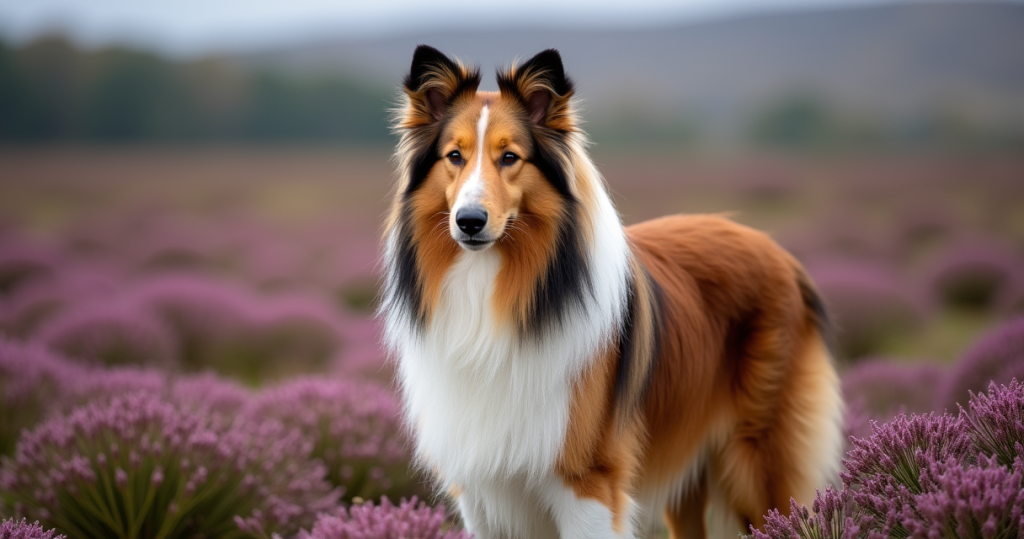
Collies are medium to large dogs with a distinctive, wedge-shaped head and expressive eyes that reflect their intelligence and gentle nature. They stand between 55 and 66 cm tall at the shoulder and typically weigh between 22 and 34 kg.
One of the most defining features of the Collie is their luxurious coat, which comes in two varieties: Rough (long-haired) and Smooth (short-haired). Rough Collies are famous for their abundant, flowing mane around the neck and shoulders, while Smooth Collies have a shorter, denser coat that lies close to the body.
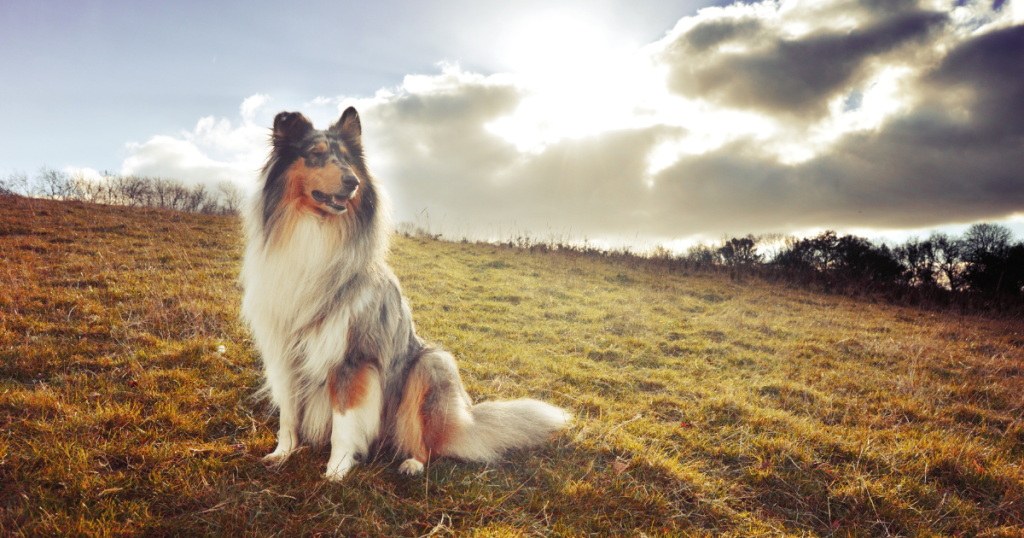
Collies come in several recognised colours, including sable and white, tricolour (black, white, and tan), blue merle, and white. Their striking markings and graceful build contribute to their overall elegance.
Types of Collie: Rough vs Smooth
Both are the same breed with the same temperament and structure; the main difference is coat length and care.
Feature | Rough Collie | Smooth Collie |
Coat | Long, abundant outer coat with dense undercoat | Short, dense, harsh outer coat with undercoat |
Grooming | More time-intensive, especially during shedding | Quicker weekly routine |
Look | Classic “Lassie” silhouette, flowing ruff & feathering | Sleek, athletic outline |
Appearance & Size
A balanced, medium-large, athletic dog with a wedge-shaped head, almond eyes, and semi-tipped (“tulip”) ears. Typical colours include sable & white, tricolour, blue merle, and occasionally white with coloured markings.
Size guide
Male | Female | |
Height | 58–66 cm | 55–61 cm |
Weight | 26–34 kg | 22–29 kg |
5. Temperament and Personality
What’s Their True Nature?
Collies are renowned for their gentle and affectionate nature. They are incredibly loyal and devoted to their families, making them excellent companions. Their intelligence shines through in their eagerness to learn and please, making them highly trainable. They are also known for their patience and tolerance, making them wonderful with children.
However, Collies can be sensitive and may become anxious if left alone for extended periods. They thrive on companionship and mental stimulation. Early socialisation is crucial to ensure they are well-adjusted and confident in various situations. While generally friendly, some Collies may exhibit a natural herding instinct, which can manifest as nipping at heels, especially with children.
Pros & Cons of a Collie Dog Breed
Pros
- Gentle, people-oriented family dog
- Intelligent and highly trainable with soft methods
- Smooth variety is relatively low-maintenance for a double-coat
- Typically calmer at home than the Border Collie
- Excellent companion for structured, routine-loving households
- Rough variety sheds heavily in seasons; grooming time required
- Sensitive to harsh handling; needs consistent, kind training
- Hereditary eye/skin risks → choose breeders with clear test results
- Needs daily mental stimulation (can get bored without it)
- Tick vigilance required on Australia’s east coast
Want to compare more breeds? Explore our full Dog Breed Library.
6. Training and Socialisation
Raising a Well-Behaved Collie
Collies are intelligent and eager to please, making them relatively easy to train. Positive reinforcement methods, such as treats, praise, and toys, work best. Consistency and patience are key.
Early socialisation is essential to expose your Collie to various sights, sounds, people, and other animals. This helps them develop into well-rounded and confident adults. Puppy classes and supervised playdates are excellent ways to socialise your Collie.
Address common challenges: Collies can be sensitive, so avoid harsh training methods. Channel their herding instincts into positive outlets, such as herding games or agility training. Be patient and consistent with recall training, as their natural curiosity can sometimes lead them to wander.
7. Exercise and Activity Needs
Keeping Them Active and Happy
Collies are moderately active dogs that require regular exercise to stay happy and healthy. Aim for at least one to two hours of exercise per day, which can include walks, runs, hikes, and playtime in a fenced yard.
Suggested activities:
- Daily exercise: Aim for 60–90 minutes split between walks and free play.
- Brain work: Sniff games, obedience, rally, trick training and gentle herding games keep them happy.
- Training style: Collies are sensitive — they blossom with calm, reward-based methods and clear routines.
- Off-lead: Reliable recall is essential; herding breeds love to “work”.
8. Nutrition and Dietary Needs
Feeding Your Collie Right
Collies thrive on a high-quality dog food that is formulated for their age, size, and activity level. Look for a food that lists meat as the primary ingredient. Avoid foods with excessive fillers, such as corn, wheat, and soy.
Recommended feeding schedule:
- Puppies (8-12 weeks): Four meals per day
- Puppies (3-6 months): Three meals per day
- Adults (6 months+): Two meals per day
Collies are prone to bloat (gastric dilation-volvulus), so it’s best to feed them smaller meals throughout the day rather than one large meal. Avoid strenuous exercise immediately before or after eating. Always provide fresh, clean water.
9. Grooming and Coat Care
Caring for Their Signature Look
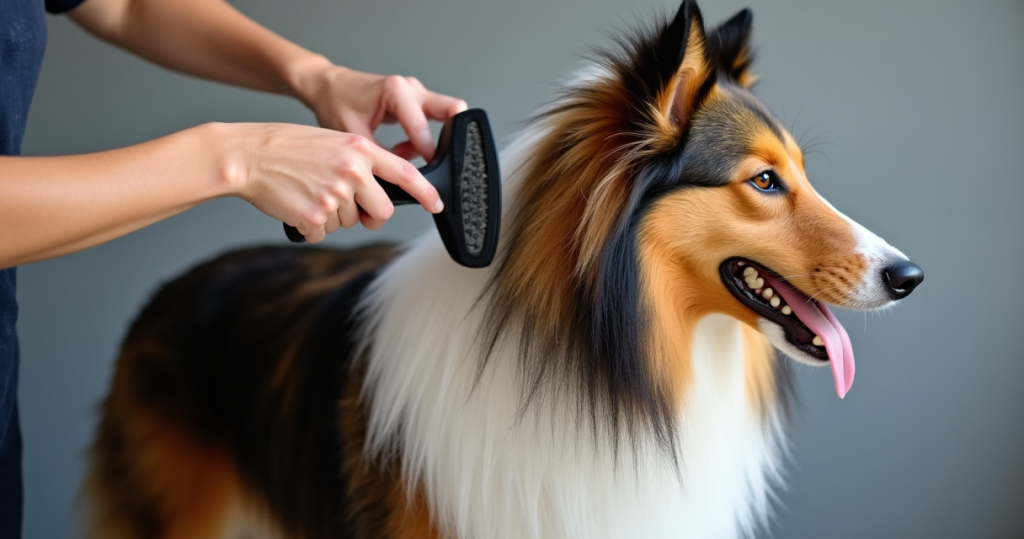
Rough Collies require regular grooming to prevent matting and tangles. Brush them several times a week, paying particular attention to the areas behind the ears, under the legs, and around the tail. Smooth Collies require less grooming, but regular brushing is still recommended to remove loose hair and keep their coat healthy.
Collies shed moderately year-round, with heavier shedding during the spring and autumn. During these shedding seasons, daily brushing can help minimise the amount of hair in your home.
Essential grooming tools:
- Slicker brush
- Undercoat rake
- Metal comb
- Nail clippers
- Dog shampoo
10. Common Health Issues
Staying Healthy and Happy
Like all breeds, Collies are prone to certain health issues. Some of the most common include:
- Collie Eye Anomaly (CEA): An inherited eye disease that can cause vision loss.
- Progressive Retinal Atrophy (PRA): Another inherited eye disease that can lead to blindness.
- Hip Dysplasia:** A condition in which the hip joint doesn’t develop properly.
- Drug Sensitivity (MDR1 gene mutation): Collies with this mutation can have severe reactions to certain medications.
- Bloat (Gastric Dilatation-Volvulus): A life-threatening condition in which the stomach fills with gas and twists.
Learn More: Pet Symptom Checker
Preventative care tips:
- Regular veterinary check-ups
- Genetic testing for CEA, PRA, and MDR1
- Maintaining a healthy weight
- Providing regular exercise
- Feeding smaller meals to prevent bloat
11. Fun Facts
Did You Know?
- The Collie became famous thanks to the Lassie books and movies.
- Collies are known for their “Collie smile,” a unique expression where they show their teeth.
- Collies are highly intelligent and have been used in various working roles, including search and rescue.
- There are two distinct coat types: Rough (long-haired) and Smooth (short-haired).
12. Is a Collie Right for You?
Collie in Australia
- Breeders & rescue: Look for Dogs Australia-registered breeders with health testing; Collie rescue groups appear intermittently.
- Climate care: Provide shade and water in summer; schedule exercise in cooler parts of the day and keep up tick prevention in risk zones.
- Insurance: Eye and genetic screening records can help when comparing policies.
Who’s the Perfect Match?
Collies are best suited for active families who can provide them with plenty of exercise, mental stimulation, and companionship. They thrive in homes where they are included in family activities. They are good with children and other pets, but early socialisation is important.
Collies are not ideal for people who are gone for long periods or who are unable to provide them with regular grooming (especially Rough Collies). They also need owners who understand their sensitivity and can train them using positive reinforcement methods.
13. FAQs
Common Questions About Collies
What are the types of Collie?
Two coat varieties: Rough (long coat) and Smooth (short coat). Same breed, similar temperament; grooming needs differ.
How long do Collies live?
Typically 10–14 years with good diet, exercise and preventive healthcare.
Do Collies shed?
Yes. Smooths shed moderately; Roughs shed year-round with heavy seasonal blowouts. Regular brushing manages it.
Are Collies good with kids and other pets?
Generally gentle and patient when socialised. Herding instinct can prompt “guiding”; training helps channel this politely.
What health tests should I ask a breeder about?
Eye screening (CEA/PRA), MDR1 genetic status, and hip scores. Ask to see certificates.
Collie vs Border Collie — which is calmer?
The Border Collie usually has a higher work drive; many families find Collies steadier in typical homes.
14. Conclusion
Collies are truly special dogs, renowned for their beauty, intelligence, and unwavering loyalty. Whether you’re drawn to their flowing coats, their gentle nature, or their rich history, Collies make wonderful companions for the right families. By understanding their unique needs and providing them with proper care, training, and attention, you can enjoy a long and fulfilling relationship with one of the most iconic breeds in the world.
Do you have a Collie? Share your stories and photos in the comments below! We would love to hear about your experiences with this amazing breed.
Author & Review
Written by our canine content editor and reviewed by an Australian dog behaviour professional. Health guidance is general; always consult your vet for individual advice.

At Pet Care Community, our team of passionate pet lovers, writers, and veterinary-approved experts share reliable tips, guides, and resources to help you give your furry friends the happiest and healthiest life possible. From dog breeds and training advice to nutrition, wellness, and pet parenting hacks, we’re here to support every step of your journey as a pet parent.