

Elegant, intelligent, and endlessly versatile — the Poodle is much more than a show dog. Beneath that famous coat lies one of the smartest, most affectionate companions in the canine world.
From Australian families seeking allergy-friendly pets to competitive obedience enthusiasts, Poodles win hearts through intelligence, grace, and adaptability.
This guide explores everything you need to know about the Poodle dog breed — including history, grooming, care, training, and health, tailored for Australian pet owners.

Poodle Breed Summary
| Trait | Details |
| Breed Name | Poodle |
| Other Names | Caniche, French Poodle |
| Origin | Germany (developed further in France) |
| Group | Non-Sporting / Utility |
| Size Varieties | Toy (≤ 28 cm), Miniature (28–38 cm), Standard (over 38 cm) |
| Weight | Toy: 2–3 kg |
| Coat Type | Dense, curly, low-shedding single coat |
| Colours | White, black, apricot, cream, silver, chocolate, red |
| Lifespan | 12–15 years (Toy & Miniature) |
| Temperament | Intelligent, lively, loyal, affectionate, alert |
| Exercise Needs | Moderate–high – 45–90 minutes daily depending on size |
| Grooming Needs | High – regular brushing and professional clipping |
| Trainability | Exceptional – highly intelligent and eager to learn |
| Good With | Families, kids, other pets |
| Common Health Issues | Hip dysplasia, PRA, Addison’s disease, epilepsy |
| Ideal Living Environment | Apartments (Toy/Mini) or homes with yard (Standard) |
| Average Puppy Cost (Australia) | AUD 2,000 – 5,000 depending on size & lineage |
| Recognised By | Dogs Australia |
| Best For | Families, allergy sufferers, active owners |
1. History and Origin: From Hunting Waters to Family Homes
Despite the “French Poodle” nickname, the Poodle’s roots are German — derived from the word Pudel, meaning “to splash in water.”
Originally bred as a water retriever, the Poodle’s curly coat protected it from cold rivers during hunts.
French breeders refined the breed for elegance and performance, producing the Standard, Miniature, and Toy varieties.
In Australia, all three sizes are recognised by Dogs Australia, with popularity especially high among urban families seeking low-shedding, intelligent pets.
Source: Dogs NSW
2. Appearance and Build
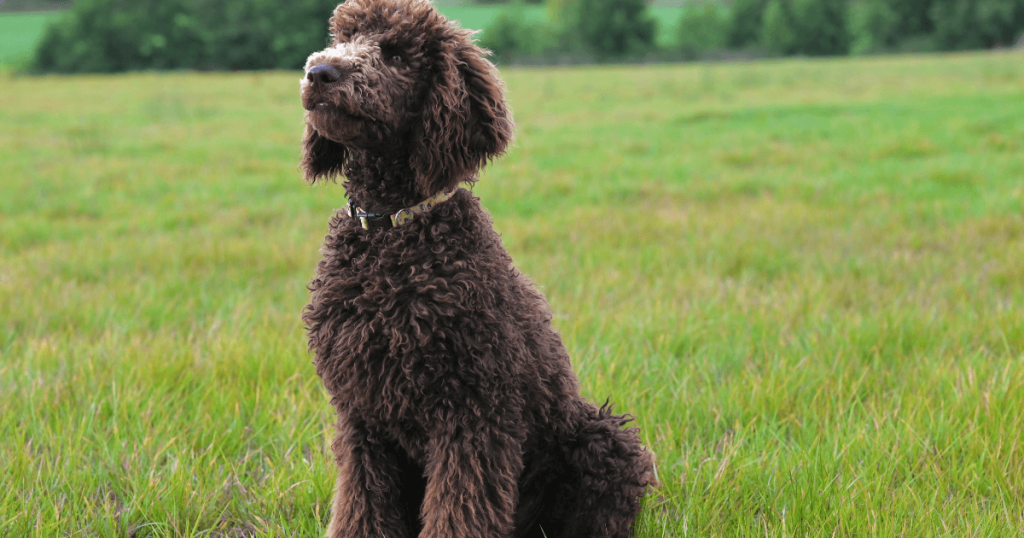
Poodles have a graceful, athletic build with a proud stance and expressive dark eyes. Their coat is dense, curly, and hypoallergenic — ideal for allergy-sensitive homes.
Key Features
- Distinctive square outline, long neck, and refined muzzle
- Compact, balanced frame for all sizes
- Tail carried high with cheerful expression
Many Australian owners keep their Poodle in a “puppy clip” for easy maintenance instead of the elaborate show trim.
3. Temperament and Personality
Poodles are often described as “intelligence with fur.”
- Highly intelligent: Ranked among the top 3 smartest breeds globally.
- Affectionate & Loyal: Bond strongly with family and thrive on attention.
- Playful: Love games, water, and learning new tricks.
- Sociable: Usually friendly with children and other dogs.
Despite their elegance, Poodles have an active, joyful personality — they love running, swimming, and participating in family life.
For another bright and affectionate breed, see the Cavoodle — Australia’s most popular Poodle mix.
4. Training and Intelligence
Few breeds rival the Poodle’s ability to learn. They excel in obedience, agility, and scent detection and love mentally stimulating challenges.
Training tips:
- Begin early with gentle, consistent methods.
- Use positive reinforcement — Poodles respond best to praise and rewards.
- Rotate games and commands to avoid boredom.
- Socialise early to prevent shyness or over-protectiveness.
Poodles often become “teacher’s pets” in training classes — they love to perform and please.
5. Exercise and Activity
All Poodle sizes enjoy activity, but needs vary:
| Variety | Exercise Time | Best Activities |
| Toy | 20–30 mins daily | Short walks, play, indoor games |
| Miniature | 30–45 mins daily | Fetch, obedience, agility |
| Standard | 60–90 mins daily | Swimming, jogging, long walks |
Mental enrichment is crucial — puzzles, hide-and-seek, or scent games keep them sharp.
Love active dogs? Compare energy levels with the Border Collie or Australian Kelpie.
6. Grooming and Coat Care
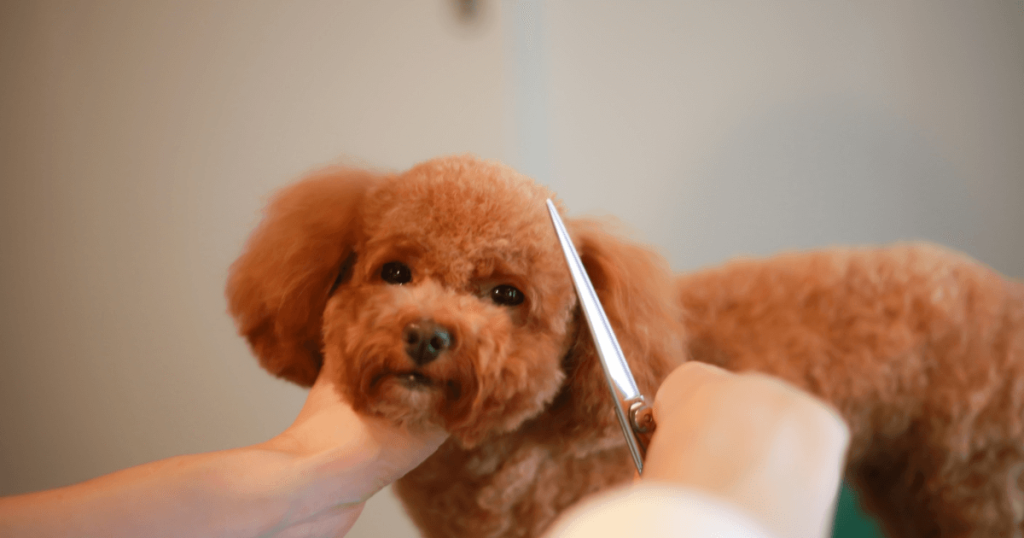
Grooming is where the Poodle truly stands apart. Their curly, non-shedding coat grows continuously and needs regular care.
Routine essentials:
- Brushing: 3–4 times weekly to prevent matting.
- Professional clipping: Every 6–8 weeks.
- Bathing: Monthly with gentle dog shampoo.
- Ear cleaning: Weekly — Poodles are prone to ear infections.
- Dental care: Brush several times weekly to prevent tartar.
Common styles include the puppy, lamb, or sporting clip. Many Aussie groomers specialise in simplified “wash-and-wear” trims perfect for family pets.

7. Nutrition and Feeding
Feed your Poodle a balanced diet for their size and activity level.
Choose premium small-breed formulas for Toy and Miniature varieties, or large-breed formulas for Standards.
- Prioritise lean protein, healthy fats, and low fillers.
- Divide food into 2 meals per day.
- Avoid excessive treats and table scraps.
Poodles are prone to bloat (Standard) and hypoglycaemia (Toy), so consistent feeding schedules are important.
8. Common Health Issues
While generally healthy, responsible breeding is vital. Common conditions include:
| Condition | Description / Risk | Prevention / Management |
| Hip Dysplasia | Malformed joint causing pain | Vet screening, weight control |
| Progressive Retinal Atrophy (PRA) | Eye degeneration leading to blindness | DNA testing in breeding stock |
| Addison’s Disease | Hormonal imbalance | Routine vet checkups |
| Epilepsy | Seizure disorder | Medication, monitoring |
| Patellar Luxation | Kneecap dislocation (Toy/Mini) | Maintain healthy weight |
| Ear Infections | Due to hair in ear canal | Regular cleaning, vet care |
9. Pros and Cons of Owning a Poodle
| Pros | Cons |
| Hypoallergenic & low-shedding coat | Requires regular professional grooming |
| Extremely intelligent & trainable | Can be sensitive to harsh tones |
| Great for families and allergy sufferers | Needs daily mental stimulation |
| Available in three sizes for different lifestyles | Standard Poodles need lots of exercise |
10. Frequently Asked Questions
Are Poodles good family pets?
Yes — Poodles are affectionate, playful, and adaptable for all family types.
Do Poodles shed?
Hardly — they have a single coat that traps loose hair, reducing shedding.
Are Poodles hypoallergenic?
Yes — they’re one of the most allergy-friendly breeds.
Do Poodles bark a lot?
They’re alert but not yappy if well-trained.
How long do Poodles live?
Toy/Miniature – 12–15 years; Standard – 10–13 years.
How much is a Poodle puppy in Australia?
Between AUD 2,000 – 5,000, depending on size and breeder.
Do Poodles like to cuddle?
Absolutely — they’re affectionate lapdogs despite their refined looks.
Is a Poodle Right for You?
Poodles are perfect for owners seeking an intelligent, affectionate, and allergy-friendly companion.
They adapt to apartments or large homes, provided they get attention and regular grooming.
Ideal for:
- Families or singles wanting an active, loyal dog
- People with mild allergies
- Owners willing to maintain grooming routines
If you prefer a crossbreed with similar intelligence but less grooming, explore the Spoodle or Cavoodle.
Helpful Tools for Poodle Owners
- Pet Symptom Checker – Check early signs of illness.
- Pet Name Generator – Find a name as elegant as your Poodle.
- Write for Us – Share your Poodle stories with our Aussie community.
- Contact Us – Need grooming or health advice? Get in touch.
Final Thoughts
Graceful, smart, and devoted, the Poodle is a breed that blends brains with beauty. Whether Toy, Miniature, or Standard, each size brings the same intelligence and charm that makes Poodles one of Australia’s most admired companions.
Give them time, love, and care, and they’ll reward you with years of affection, laughter, and elegance.

At Pet Care Community, our team of passionate pet lovers, writers, and veterinary-approved experts share reliable tips, guides, and resources to help you give your furry friends the happiest and healthiest life possible. From dog breeds and training advice to nutrition, wellness, and pet parenting hacks, we’re here to support every step of your journey as a pet parent.