

With their wrinkled faces, curled tails, and undeniable charm, Pugs have captured hearts for centuries. These little comedians are more than just cute; they’re packed with personality and a surprisingly rich history.
This article will take you on a journey through the world of Pugs, exploring their origins, how to care for them, fun facts, and whether a Pug is the right dog for you.
Curious if a Pug’s playful personality will complement your lifestyle? Keep reading to find out!
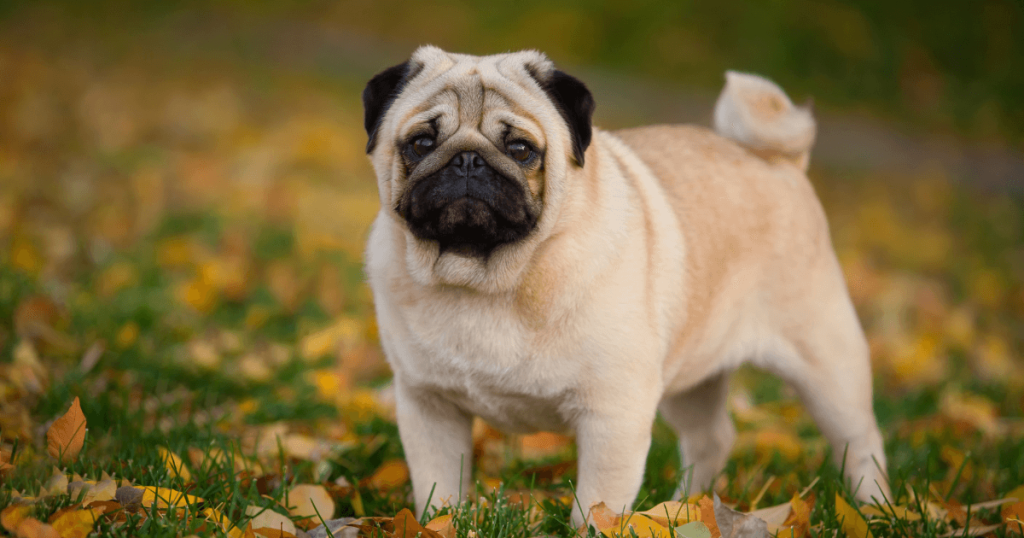
Pug Breed Summary
| Trait | Details |
|---|---|
| Breed Name | Pug |
| Other Names | Dutch Bulldog, Chinese Pug |
| Origin | China (developed in Europe) |
| Group | Toy Group |
| Size | Small |
| Height | 25 – 33 cm |
| Weight | 6 – 8 kg |
| Coat Type | Short, smooth, double coat |
| Colours | Fawn, black, silver fawn, apricot fawn |
| Lifespan | 12 – 15 years |
| Temperament | Affectionate, playful, alert, loyal |
| Exercise Needs | Low – 20–30 minutes daily |
| Grooming Needs | Moderate – regular brushing, wrinkle cleaning |
| Trainability | Independent, stubborn, but responsive to positive reinforcement |
| Good With | Families, children, other pets |
| Common Health Issues | Brachycephalic syndrome, eye problems, obesity, skin infections |
| Ideal Living Environment | Apartments, homes with moderate space |
| Average Puppy Cost (Australia) | AUD 1,500 – 3,000 |
| Recognised By | Dogs Australia |
| Best For | Families, singles, elderly, apartment dwellers |
1. History and Origin: From Ancient China to Modern Homes
The Pug’s history stretches back over 2000 years to ancient China, during the Han dynasty (206 BC to 220 AD). They were prized possessions of Chinese emperors, living in luxury with their own guards. The early Pugs were known as Lo-sze, and they had shorter legs and longer bodies compared to modern Pugs.
Pugs were introduced to Europe by the Dutch East India Company, and quickly became beloved companions in European royal courts. In the Netherlands, Pugs were adopted by the House of Orange after a Pug allegedly saved the life of William the Silent by alerting him to an assassination attempt.
Their popularity continued to soar in England, especially during the Victorian era, where Queen Victoria became a devoted Pug owner. She helped popularise the apricot and fawn colours, making them breed standards. Today, the Pug remains a beloved companion dog worldwide.
Source: Dogs NSW
2. Physical Characteristics: The Distinctive Pug Look
Pugs are immediately recognisable for their distinctive wrinkled faces, curled tails, and big, dark eyes. Despite their small size, they have a compact and muscular body, which adds to their charming, sturdy appearance.
Key Features:
Height: 25 – 33 cm
Weight: 6 – 8 kg
Coat: Short, smooth, double-layered (moderate shedding year-round, heavier during seasonal changes)
Colours: Fawn, black, silver fawn, apricot fawn (Fawn is the most common)
Distinctive Markings: Dark “mask” around the eyes and muzzle, a desirable feature in breed standards.
Pugs also have a brachycephalic (flat-faced) structure, which gives them their endearing look but can also cause breathing issues. Regular care is needed to manage their wrinkles, which should be cleaned daily to avoid skin infections.
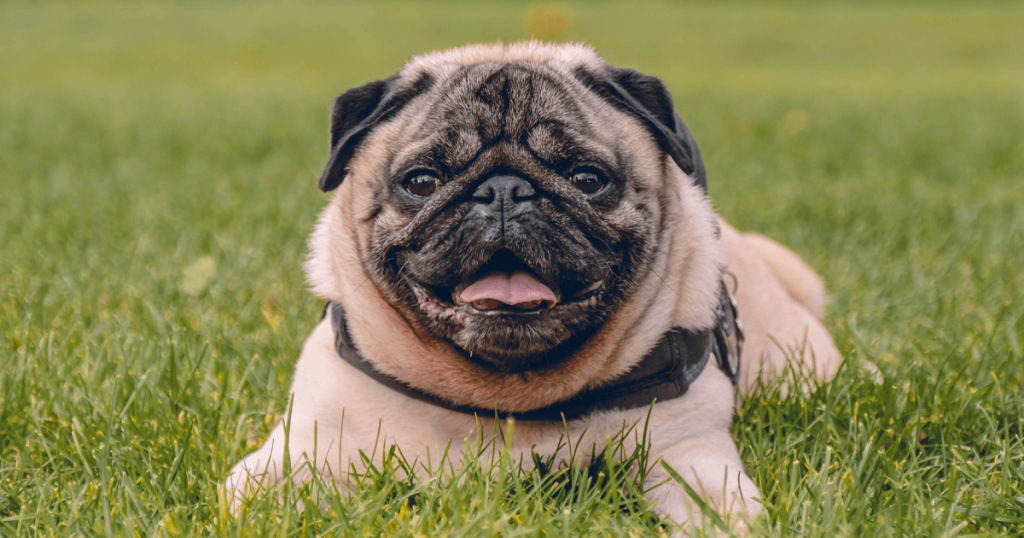
3. Temperament and Personality: Playful and Affectionate
Pugs are known for their joyful, loving nature and their playful, often comedic personalities. They love to entertain and can be quite the little clowns, often using their unique traits to get attention.
Affectionate: Pugs love being close to their owners and often seek out lap time or cuddles.
Alert: Despite their small size, Pugs are alert and protective — they’ll make sure to let you know if something seems out of place.
Good with Families: They are good with children and other pets, particularly when raised with them.
Stubborn & Independent: Though affectionate, Pugs can be stubborn, making them challenging to train at times. Consistency, patience, and positive reinforcement work best for these little characters.
Pro Tip: Use food motivation during training but watch their diet closely to avoid obesity.
4. Training and Socialisation: Unlocking Their Full Potential
Training a Pug requires patience, consistency, and positive reinforcement. While Pugs are intelligent, their stubbornness can make them challenging to train. They tend to be food-driven, which helps make training a bit easier when you use treats.
Training Tips:
Start training early with gentle, positive methods.
Be consistent — keep commands clear and stick to the routine.
Early socialisation is key. Expose your Pug to different people, animals, and environments.
Training games, like fetch or hide-and-seek, can help keep your Pug engaged.
Pugs do best with consistent training and love interactive activities like obedience or agility — this helps keep their mind sharp and prevents boredom.
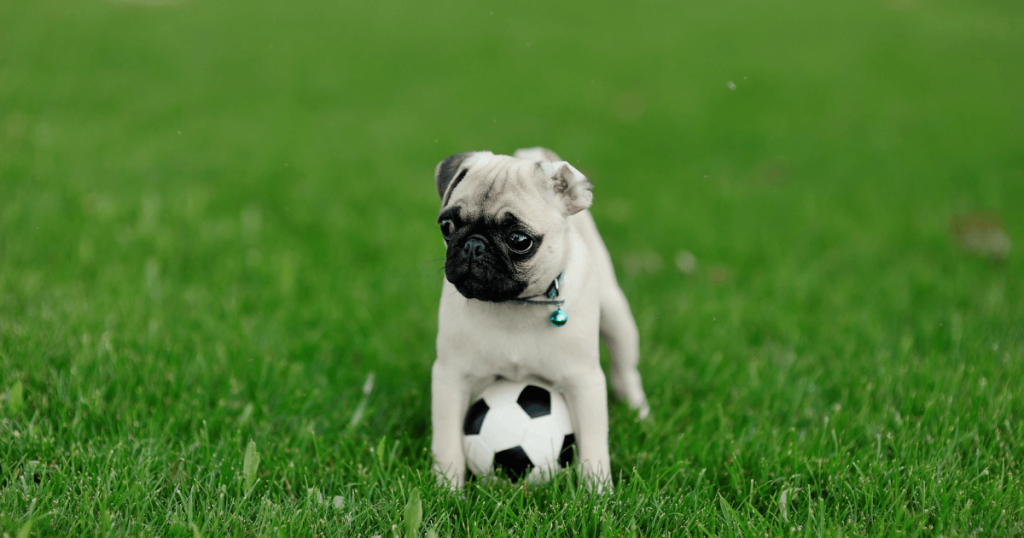
5. Exercise and Activity Needs: Keeping Your Pug Happy and Healthy
Pugs have relatively low exercise needs, but they still need daily activity to stay healthy.
Exercise Requirements:
Aim for 20–30 minutes of exercise per day — split into short walks and playtime.
Be careful in hot or humid weather, as Pugs are prone to breathing difficulties due to their brachycephalic anatomy.
Indoor games like puzzle toys or tug-of-war are great alternatives to keep your Pug mentally stimulated.
Though Pugs don’t need long, strenuous walks, they still enjoy time spent outdoors with their family.
6. Nutrition and Dietary Needs: Fueling Your Pug
Pugs are prone to obesity, so it’s crucial to monitor their food intake closely. A balanced, high-quality dog food formulated for small breeds is ideal.
Feeding Tips:
Avoid feeding your Pug table scraps or high-fat treats.
Use measured portions to prevent overfeeding — Pugs are food-driven and prone to begging.
Feed twice daily — avoid free-feeding to prevent weight gain.
Regular vet check-ups are important to ensure your Pug stays within a healthy weight range.
7. Grooming and Coat Care: Managing the Pug Look
Pugs have a short, smooth coat that sheds moderately year-round, with heavier shedding during the spring and fall. Regular grooming is needed to reduce loose hair and keep your Pug’s coat looking neat.
Grooming Tips:
Brushing: Brush 2–3 times a week with a soft bristle brush to reduce shedding.
Wrinkle Care: Clean your Pug’s wrinkles daily using a damp cloth or pet wipe, and dry thoroughly to prevent skin infections.
Nail & Ear Care: Trim nails regularly and clean ears weekly.
Despite their easy-to-maintain coat, their wrinkles are a distinctive feature and require consistent care.
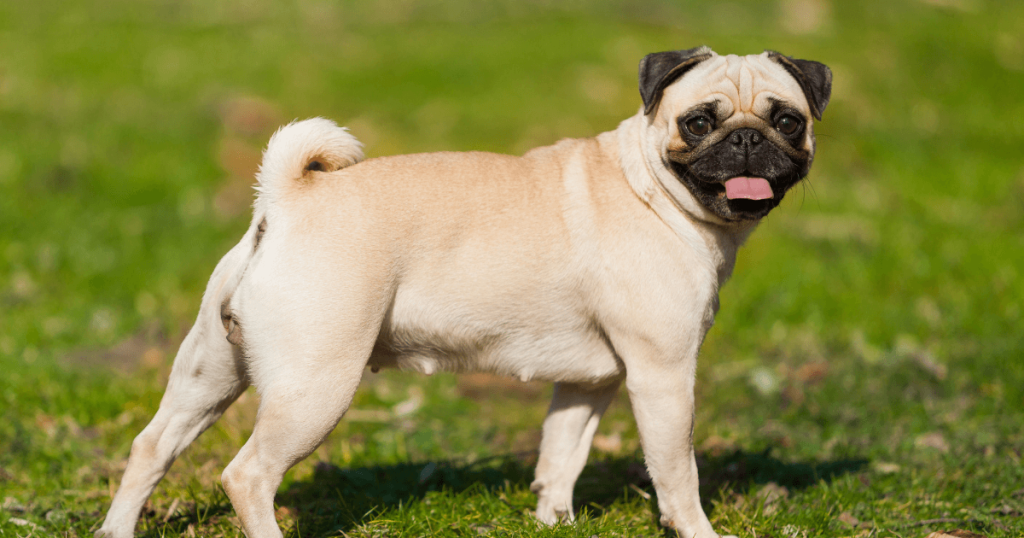
8. Common Health Issues: Staying Healthy
Pugs are generally healthy, but they are prone to certain breed-specific health problems, often due to their unique anatomy.
| Condition | Description / Risk | Prevention / Care Tips |
|---|---|---|
| Brachycephalic Syndrome | Breathing issues due to flat face | Avoid overheating, don’t over-exercise in hot weather |
| Eye Problems | Corneal ulcers, PRA, dry eye | Regular eye exams, keep eyes clean |
| Skin Infections | Wrinkles trap moisture and bacteria | Daily cleaning of wrinkles, proper hygiene |
| Obesity | Can lead to other health problems | Control diet, regular exercise |
| Pug Dog Encephalitis (PDE) | A rare, progressive brain disease | Responsible breeding practices, early vet care |
9. Fun Facts
A group of Pugs is called a “grumble.”
Pugs were used as foot warmers in royal courts in China and Europe.
Pugs have a distinctive double curl in their tail, a sign of a healthy, breed-standard tail.
The Dutch East India Company helped introduce Pugs to Europe from China.
10. Is a Pug Right for You?
Pugs are ideal for families, individuals, or older adults looking for an affectionate, low-maintenance companion. They do well in apartments or smaller homes, provided they get enough attention and daily exercise.
Best suited for:
Owners who enjoy short walks, indoor play, and cuddling on the couch
Families or individuals who can devote time to regular grooming and care
People willing to manage health risks like obesity and breathing issues
If you prefer a crossbreed with similar intelligence? Compare with the French Bulldog or Cavalier King Charles Spaniel.
11. Helpful Tools for Pug Owners
Pet Symptom Checker – Check early signs of illness.
Pet Name Generator – Find the perfect name for your Pug.
Write for Us – Share your Pug stories with our Aussie community.
Contact Us – Need help or advice? Get in touch with our team.
12. Final Thoughts
Pugs are more than just adorable companions; they are loyal, playful, and entertaining. While they may require extra care due to their unique features and health concerns, the joy and love they bring to their families is well worth the effort.
If you’re looking for a small, charming, and devoted companion, a Pug might be the perfect addition to your home.

At Pet Care Community, our team of passionate pet lovers, writers, and veterinary-approved experts share reliable tips, guides, and resources to help you give your furry friends the happiest and healthiest life possible. From dog breeds and training advice to nutrition, wellness, and pet parenting hacks, we’re here to support every step of your journey as a pet parent.