

1. Introduction
With its flowing, silky coat and aristocratic bearing, the Afghan Hound stands as a symbol of elegance and ancient lineage, a canine marvel that captures the imagination. This article will delve into the fascinating history of the Afghan Hound, provide comprehensive guidance on its care, explore effective training methods, and offer insights into common health concerns. Discover if this regal breed is the right fit for your lifestyle.
Intrigued by the allure of the Afghan Hound? Read on to unlock the secrets of this captivating breed!
2. Quick Overview
| Feature | Description |
|---|---|
| Breed Group | Hound |
| Origin | Afghanistan, Middle East |
| Size | Large (63-68 cm at the shoulder) |
| Weight | 22-27 kg |
| Life Span | 12-14 years |
| Coat | Long, silky, flowing |
| Temperament | Dignified, independent, aloof, sensitive |
| Exercise Needs | Moderate to High |
| Grooming Needs | Very High |
| Trainability | Challenging; requires patience and consistency |
| Health Concerns | Bloat, hip dysplasia, hypothyroidism, cataracts |
| Best Suited For | Experienced dog owners, active individuals or families, those who appreciate a breed with an independent spirit and are willing to dedicate time to grooming. Homes with fenced yards are highly recommended. |
3. History and Origin
Where It All Began: Unravelling the Afghan Hound’s Ancient Past
The Afghan Hound’s origins trace back thousands of years to the mountainous regions of Afghanistan, Pakistan, and India. Evidence suggests their existence as far back as the pre-Christian era, with depictions resembling the breed found in ancient artefacts. They were originally bred by nomadic tribes and royalty for hunting large game such as leopards and gazelles in the harsh terrains. Their thick coat served as protection against extreme temperatures. These dogs were prized possessions and played a crucial role in the survival of their communities. The isolation of the region contributed to the preservation of the breed’s unique characteristics over centuries. Genetic studies confirm their antiquity and distinct lineage within the hound family.
Having researched ancient breeds, I find the Afghan Hound’s story particularly compelling. Their journey from rugged hunters to symbols of luxury highlights how selective breeding and geographical isolation can shape a breed’s destiny. It reinforces the importance of understanding a breed’s historical purpose to better address its current needs and temperament. Preserving the Afghan Hound’s genetic diversity is crucial. As modern breeding practices can sometimes narrow the gene pool, efforts should be made to incorporate dogs from diverse backgrounds to maintain the breed’s overall health and resilience, honouring their long and storied past.
4. Physical Characteristics
What Makes the Afghan Hound Unique? A Symphony of Elegance and Function
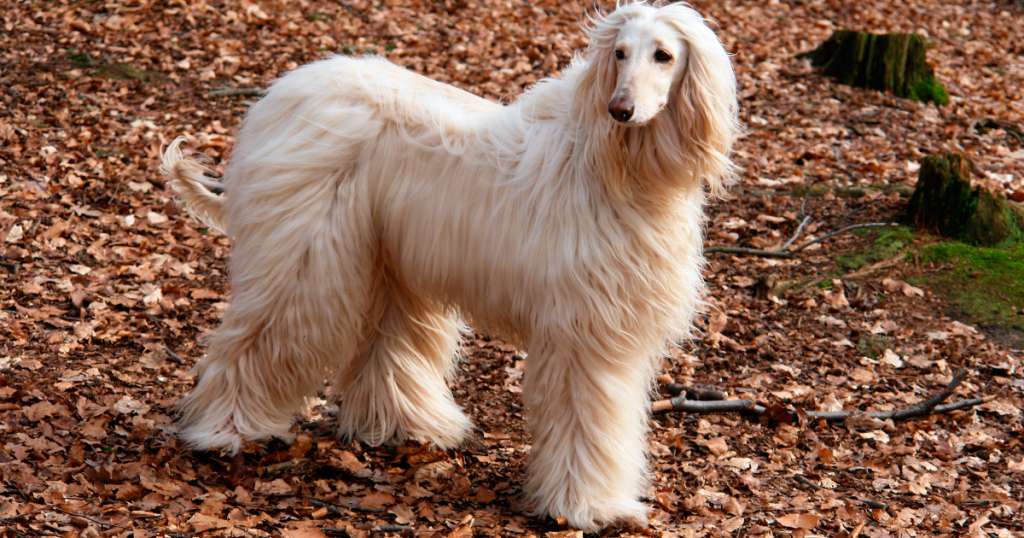
Afghan Hounds are large dogs, typically standing 63-68 cm tall at the shoulder and weighing between 22-27 kg. Their most distinctive feature is their long, flowing, silky coat that covers most of their body. The coat is finer on the head and face, forming a characteristic “topknot.” Common colours include black, cream, red, silver, and brindle. Their long legs and arched neck contribute to their elegant appearance. The breed possesses a powerful build, essential for their original hunting purpose. Their almond-shaped eyes and long, pendant ears further enhance their unique look. The tail is carried high with a distinctive curl at the end.
From a veterinarian’s perspective, the Afghan Hound’s coat, while beautiful, presents unique challenges. Regular grooming is non-negotiable to prevent matting and skin problems. I’ve observed that many owners underestimate the time commitment involved in maintaining their coat. Research into coat genetics could lead to the development of breed-specific grooming products and techniques that simplify coat care and reduce the risk of skin issues. Advances in understanding coat structure at a microscopic level can contribute to healthier grooming practices.

5. Temperament and Personality
What’s Their True Nature? Decoding the Afghan Hound’s Independent Spirit
Afghan Hounds are known for their dignified and aloof demeanour. They are intelligent but possess an independent streak, which can make training challenging. They are often described as sensitive and require gentle handling. While not overtly affectionate, they form strong bonds with their families. They can be reserved with strangers. Early socialisation is crucial to prevent shyness or fearfulness. Their hunting instincts may lead them to chase small animals. They thrive in environments where they can express their natural curiosity and roam freely.
As a dog behaviourist, I often advise potential Afghan Hound owners to consider their lifestyle. These dogs are not “eager to please” like some other breeds. Building a strong relationship based on mutual respect and understanding is key to successful training and companionship. Continued research into canine personality traits will help breeders select for more amenable temperaments, potentially leading to Afghan Hounds that are both elegant and easier to train. Genetic markers associated with trainability could be identified.
Pros: Loyal, elegant, relatively quiet indoors (after exercise).
Cons: High grooming needs, challenging to train, prone to chasing.
6. Training and Socialisation
Raising a Well-Behaved Afghan Hound: Patience, Persistence, and Positive Reinforcement
Training an Afghan Hound requires patience, consistency, and positive reinforcement methods. Their independent nature makes them less responsive to traditional obedience training techniques. Short, frequent training sessions are more effective than long, drawn-out ones. Focus on building a strong bond and using rewards that motivate them, such as high-value treats or toys. Early socialisation is critical to expose them to various people, places, and situations to prevent shyness or aggression. Recall training is essential due to their strong hunting instincts. Crate training can provide them with a secure den.
In my experience, owners who approach Afghan Hound training with a sense of humour and a willingness to adapt their methods are the most successful. Remember, they are not trying to be disobedient; they simply have a different way of processing information. Online training programs tailored specifically for Afghan Hounds, incorporating virtual reality simulations for socialisation, could significantly improve training outcomes. AI-powered training tools could provide personalised feedback based on the dog’s individual learning style.
7. Exercise and Activity Needs
Keeping Them Active and Happy: Balancing Exercise with Relaxation
Afghan Hounds require a moderate to high level of exercise to stay physically and mentally stimulated. Daily walks, runs, or play sessions are essential. They enjoy activities that allow them to use their natural hunting instincts, such as lure coursing. A securely fenced yard is crucial to prevent them from escaping and chasing after prey. Mental enrichment activities, such as puzzle toys, can help prevent boredom and destructive behaviours. Adapt exercise routines to the dog’s age and physical condition.
I always emphasise the importance of off-leash exercise in a safe, controlled environment. Watching an Afghan Hound run at full speed is a truly magnificent sight, and it’s essential for their well-being. Wearable technology that tracks activity levels and provides personalised exercise recommendations could help owners optimise their dog’s fitness. Drones could be used to provide virtual lure coursing experiences in areas where traditional facilities are not available.
Suggested activities: Long walks, running, lure coursing, agility (with careful introduction).
8. Nutrition and Dietary Needs
Feeding Your Afghan Hound Right: Fuelling Elegance and Energy
Afghan Hounds benefit from a high-quality diet that is appropriate for their age, activity level, and health condition. Choose a food that is rich in protein and essential fatty acids to support their coat health. Feed them two meals a day to prevent bloat, a potentially life-threatening condition. Avoid overfeeding, as obesity can exacerbate joint problems. Ensure they have access to fresh, clean water at all times. Consult with a veterinarian or veterinary nutritionist for personalised dietary recommendations.
Bloat is a significant concern in Afghan Hounds. Educating owners about preventative measures, such as feeding smaller meals and avoiding vigorous exercise after eating, is crucial. Personalised nutrition plans based on genetic analysis and microbiome profiling could optimise the health and longevity of Afghan Hounds. Smart feeders that dispense food based on activity levels could help prevent overfeeding.

9. Grooming and Coat Care
Caring for Their Signature Look: A Labour of Love
The Afghan Hound’s coat requires extensive grooming to prevent matting and tangles. Daily brushing is essential, and professional grooming is recommended every few weeks. Bathe them regularly, using a high-quality shampoo and conditioner. Pay special attention to the areas behind the ears and under the legs, where mats are more likely to form. Regular nail trimming and ear cleaning are also important.
Many owners underestimate the time and effort required to maintain an Afghan Hound’s coat. Early introduction to grooming is crucial to ensure the dog tolerates the process. I often recommend desensitisation techniques for puppies. Robotic grooming devices could automate some aspects of coat care. Development of detangling sprays with nanotechnology could make brushing easier and more effective.
10. Common Health Issues
Staying Healthy and Happy: Understanding Breed-Specific Health Concerns
Afghan Hounds are prone to certain health issues, including bloat, hip dysplasia, hypothyroidism, and cataracts. Regular veterinary check-ups are essential for early detection and treatment. Genetic testing can help identify carriers of certain inherited diseases. Maintain a healthy weight and provide appropriate exercise to minimise the risk of joint problems. Be aware of the symptoms of bloat and seek immediate veterinary care if you suspect your dog is affected.
As a veterinarian, I see a disproportionate number of Afghan Hounds with bloat. Educating owners about the risk factors and preventative measures is a priority. Gene therapy could offer potential cures for inherited diseases like hip dysplasia and cataracts. Advanced imaging techniques could allow for earlier detection of subtle changes that indicate the onset of these conditions.
| Health Problem | Symptoms | Prevention/Management |
|---|---|---|
| Bloat | Distended abdomen, restlessness, unproductive retching | Feed smaller meals, avoid exercise after eating |
| Hip Dysplasia | Lameness, stiffness, difficulty rising | Maintain healthy weight, moderate exercise |
| Hypothyroidism | Weight gain, lethargy, skin problems | Regular thyroid testing, thyroid hormone supplementation |
| Cataracts | Cloudy lens, decreased vision | Regular eye exams, surgical removal |
11. Fun Facts
Did You Know? Unveiling the Intriguing Side of the Afghan Hound
Afghan Hounds have exceptionally large paw pads, which provide traction on varied terrain. They were originally used to hunt leopards in the mountainous regions of Afghanistan. Their unique coat provides insulation from both heat and cold. They are known for their graceful and elegant movement. Some Afghan Hounds have been used as therapy dogs, bringing comfort to those in need.
I’ve always been impressed by the adaptability of Afghan Hounds. Their ability to thrive in both rugged and pampered environments is a testament to their resilience. Research into the sensory abilities of Afghan Hounds could reveal unique adaptations that contribute to their hunting prowess. Studying their gait could provide insights into biomechanics and improve athletic performance in other breeds.

12. Is an Afghan Hound Right for You?
Who’s the Perfect Match? Assessing Your Compatibility with This Regal Breed
Afghan Hounds are best suited for experienced dog owners who are willing to dedicate significant time to grooming, training, and exercise. They thrive in homes with fenced yards where they can roam freely. They are not ideal for first-time dog owners or those with limited time or patience. They need a consistent routine and a calm, supportive environment.
I often counsel potential Afghan Hound owners to carefully consider their lifestyle and expectations. This breed is not a “plug-and-play” pet; it requires a significant investment of time and energy. Matching algorithms could help connect potential owners with Afghan Hounds that are a good fit for their lifestyle and experience level. Virtual reality simulations could allow potential owners to experience what it’s like to care for an Afghan Hound before making a commitment.
13. FAQs
Common Questions About Afghan Hounds
- How much exercise does an Afghan Hound need?
At least one to two hours of moderate to high-intensity exercise daily. - Are Afghan Hounds good with children?
With proper socialisation, they can be good with children, but they may not tolerate rough handling. - Do Afghan Hounds shed a lot?
Yes, they shed moderately year-round and heavily during shedding seasons. - Are Afghan Hounds easy to train?
No, they are known for their independent nature, which can make training challenging. - What is the average lifespan of an Afghan Hound?
12-14 years.
14. Conclusion
The Afghan Hound is a truly unique breed, blending ancient heritage with modern elegance. While they require a significant commitment to grooming and training, their beauty, grace, and independent spirit make them a rewarding companion for the right owner.
Do you own an Afghan Hound? Share your stories and tips in the comments below! And be sure to check out our other articles on hound breeds!

At Pet Care Community, our team of passionate pet lovers, writers, and veterinary-approved experts share reliable tips, guides, and resources to help you give your furry friends the happiest and healthiest life possible. From dog breeds and training advice to nutrition, wellness, and pet parenting hacks, we’re here to support every step of your journey as a pet parent.