

Introduction
Don’t be fooled by their small size! Australian Silky Terriers are spunky, intelligent dogs with a big personality and a coat that rivals any show dog. But is this glamorous little terrier the right fit for you?
This article dives into the Australian Silky Terrier’s fascinating history, provides expert care tips, explores effective training techniques, and highlights common health concerns – all to help you decide if this breed is your perfect match.
Intrigued by the Australian Silky Terrier? Keep reading to discover everything you need to know!
Quick Overview
| Feature | Description |
|---|---|
| Breed Name | Australian Silky Terrier |
| Origin | Australia |
| Size | Small (23-26 cm tall, 3.5-4.5 kg) |
| Lifespan | 11-14 years |
| Temperament | Alert, intelligent, playful, affectionate, can be independent |
| Coat | Long, silky, and flowing; blue and tan, silver and tan, or grey and tan. |
| Grooming Needs | High. Requires regular brushing and occasional professional grooming. |
| Exercise Needs | Moderate. Daily walks and playtime are important. |
| Training | Relatively easy to train but can be stubborn. Requires consistent, positive reinforcement. |
| Health | Generally healthy, but prone to certain issues like patellar luxation, diabetes and tracheal collapse. |
| Ideal For | Active individuals or families who can provide consistent training, grooming, and plenty of attention. |
History and Origin: From Sydney to the World: The Silky’s Story
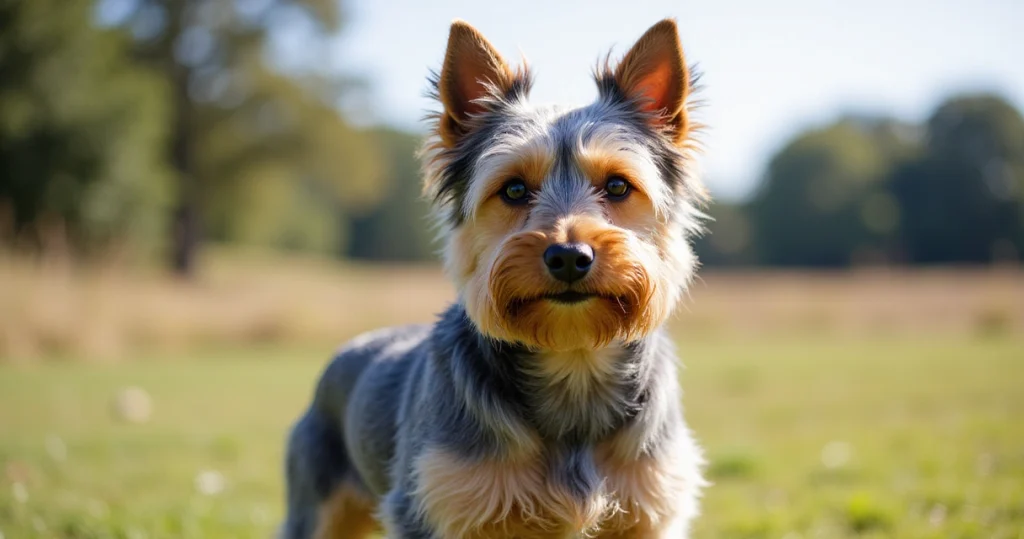
The Australian Silky Terrier’s breed history and origin began in Australia in the early 20th century. Bred from Yorkshire Terriers and Australian Terriers (with potential infusions of Dandie Dinmont Terriers), breeders aimed for a small, hardy terrier capable of controlling rodents while possessing an attractive silky coat. This breed was originally known as the Sydney Silky. The breed was officially recognized in Australia in 1926 and standardised, with the breed standard outlining the specific characteristics and traits desired in the breed. It was later recognised by various kennel clubs internationally, gaining popularity as a companion dog known for its intelligence, loyalty, and striking appearance.
Initially, different types of silky terriers existed, with breeders selecting for specific traits like coat texture and size. The modern Australian Silky Terrier benefits from these earlier selective breeding practices. I remember when I first started working with Silky Terriers; there was still some debate about the ideal coat colour. Breeders have largely agreed upon the standard now.
Physical Characteristics: A Coat of Silk and a Terrier’s Heart
Australian Silky Terriers are small dogs, typically standing between 23 and 26 cm tall and weighing between 3.5 and 4.5 kg. Their defining feature is their long, flowing, silky coat, which is typically blue and tan, silver and tan, or grey and tan. The coat should part down the middle of the back and not reach the floor. They have a wedge-shaped head with dark, expressive eyes and erect, V-shaped ears.
The Silky’s coat is single-layered, unlike many terriers with double coats. This influences grooming needs and also makes them less tolerant of extreme cold.
Temperament and Personality: Spirited, Loyal, and Clever: A Terrier Through and Through
Australian Silky Terriers are known for their alert, intelligent, and playful personalities. They are affectionate with their families but can be reserved with strangers. They retain a strong terrier instinct, making them alert watchdogs. While generally good with children, early socialization is crucial. They can be independent and stubborn, requiring consistent training.
Pros:
- Loyal, affectionate with family
- Intelligent, good watchdogs
- Relatively small size
Cons:
- Can be stubborn
- May bark excessively
- Requires significant grooming
- Potential for chasing small animals due to their terrier instincts
Training and Socialisation: Gentle Consistency: The Key to a Well-Mannered Silky
Australian Silky Terriers respond well to positive reinforcement training methods. Early socialization is vital to prevent shyness or aggression towards strangers and other animals. Consistency is key when training, as they can be independent thinkers. Focus on basic obedience commands, and address potential barking issues early on.
Silky Terriers are intelligent but can get bored easily. Keep training sessions short, engaging, and varied. I’ve found that Silky Terriers excel in agility and trick training, which can help keep their minds active and prevent destructive behaviours. Early exposure to different environments and sounds is so important.
Exercise and Activity Needs: More Than Just a Lapdog: Keeping Your Silky Active
While small, Australian Silky Terriers need regular exercise to stay happy and healthy. Aim for at least 30-45 minutes of moderate exercise daily, such as walks, playtime in a fenced yard, or interactive games. They enjoy puzzle toys that challenge their intelligence.
Silky Terriers benefit from mental stimulation as much as physical activity. Lack of stimulation can lead to boredom and destructive behaviours.
Nutrition and Dietary Needs: Fueling the Silky Spark: Diet and Nutrition
Feed your Australian Silky Terrier a high-quality dog food formulated for small breeds. Follow the feeding guidelines on the food packaging, adjusting portion sizes based on your dog’s age, activity level, and metabolism. Avoid overfeeding, as obesity can lead to health problems.
Small breeds have faster metabolisms than larger breeds, so they need more calories per pound of body weight. However, portion control is critical. I always recommend consulting with your veterinarian to determine the best diet for your Silky Terrier, especially if they have any underlying health conditions.
Grooming and Coat Care: Maintaining the Silky Sheen: A Grooming Guide

The Australian Silky Terrier’s coat requires significant grooming to prevent mats and tangles. Brush them several times a week with a slicker brush and a metal comb. Occasional professional grooming is recommended, including trimming the coat to a manageable length and bathing as needed (usually every 2-3 weeks).
The Silky Terrier’s single coat doesn’t shed as much as double-coated breeds, but regular brushing is still essential to prevent matting.
List of necessary grooming tools:
- Slicker Brush
- Metal Comb
- Dog Shampoo
- Conditioner (optional)
- Nail Clippers
Common Health Issues: Keeping Them Healthy: Common Ailments to Watch For

Australian Silky Terriers are generally healthy, but are prone to certain health issues, including patellar luxation (kneecap dislocation), diabetes and tracheal collapse (a weakening of the trachea). Regular veterinary check-ups and a healthy lifestyle can help prevent or manage these conditions.
Preventative care tips:
- Regular vet check-ups
- Maintaining a healthy weight
- Providing appropriate exercise
- Addressing any signs of illness promptly
Fun Facts: Did You Know?

- Australian Silky Terriers were originally bred to hunt rodents and snakes.
- Their silky coat doesn’t continuously grow like some other long-haired breeds, requiring less frequent trimming.
- They are known for their intelligence and trainability, often excelling in agility and obedience competitions.
Is Australian Silky Terrier Right for You?: The Perfect Match: Are You a Silky Person?
Australian Silky Terriers are best suited for active individuals or families who can provide consistent training, grooming, and plenty of attention. They thrive in homes where they are included in daily activities and receive regular exercise. While they adapt well to apartment living, they still need daily walks and playtime.
Active vs laid-back lifestyles: They need a moderately active owner.
Family-oriented vs solo owner: They can thrive with either, provided their needs are met.
FAQs
How much exercise does an Australian Silky Terrier need?
At least 30-45 minutes of moderate exercise daily.
Are they good with kids?
Generally yes, with early socialization.
Do they shed a lot?
They shed moderately, but regular brushing helps control it.
How to care for an Australian Silky Terrier dog?
Their care revolves around frequent grooming, moderate exercise and positive reinforcement based training.
What are some common health issues in Australian Silky Terrier dogs and prevention?
Some common health issues are patellar luxation, diabetes and tracheal collapse and these can be prevented or managed by regular veterinary check-ups and a healthy lifestyle.
Conclusion
The Australian Silky Terrier is a delightful breed that combines beauty, intelligence, and a spirited personality. If you’re prepared to meet their grooming and exercise needs, you’ll find a loyal and loving companion in this charming terrier.
Do you have an Australian Silky Terrier? Share your experiences and tips in the comments below!
As the breed continues to gain popularity worldwide, breeders will continue to refine the health and temperment. Genetic testing can assist in breeding programmes and reduce the instance of genetic conditions.

At Pet Care Community, our team of passionate pet lovers, writers, and veterinary-approved experts share reliable tips, guides, and resources to help you give your furry friends the happiest and healthiest life possible. From dog breeds and training advice to nutrition, wellness, and pet parenting hacks, we’re here to support every step of your journey as a pet parent.