

Introduction
“With their playful exuberance and unwavering loyalty, Boxer dogs are the comedians of the canine world, always ready to make you smile!”
This article dives into the Boxer’s fascinating history, essential care tips, effective training methods, and common health concerns to help you provide the best life possible.
Thinking about welcoming a Boxer into your family? Keep reading to see if this energetic breed is the right fit for you!
Quick Overview
| Feature | Description |
|---|---|
| Breed Group | Working |
| Size | Medium to Large (53-63 cm tall, 25-32 kg) |
| Lifespan | 10-12 years |
| Temperament | Playful, Energetic, Loyal, Intelligent, Protective |
| Coat | Short, Smooth |
| Colour | Fawn, Brindle, White Markings (often on chest and paws) |
| Exercise Needs | High (Minimum 1 hour daily) |
| Grooming Needs | Low (Occasional brushing) |
| Trainability | Moderate (Requires consistent, positive reinforcement) |
| Health Concerns | Heart conditions (e.g., cardiomyopathy), Cancer, Hip Dysplasia, Bloat |
History and Origin
From Bull-Baiter to Beloved Companion: The Boxer’s Journey
The Boxer’s story begins in 19th-century Germany. They descended from the Bullenbeisser, a mastiff-type dog used for bull-baiting (a cruel sport where dogs were pitted against bulls). When bull-baiting was outlawed, breeders sought to create a more refined and agile dog. They crossed the Bullenbeisser with smaller, terrier-type breeds, possibly including the Bulldog. This resulted in the Boxer we know and love today. Boxers were initially used as cattle dogs and butcher’s assistants, eventually finding their way into police and military service. Over time, their charming personalities made them popular family pets all over the world.

Physical Characteristics
What Makes a Boxer, a Boxer?
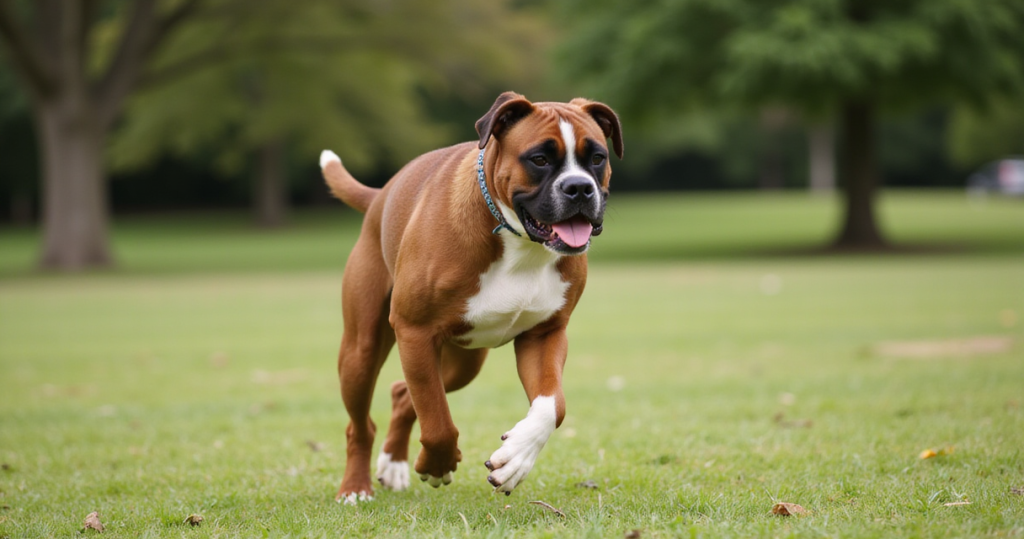
Boxers are medium to large dogs with a distinctive, muscular build. They typically stand between 53 and 63 cm tall and weigh between 25 and 32 kg. Their most recognizable feature is their short, square muzzle. This is due to their undershot jaw, where the lower jaw extends slightly beyond the upper jaw. Boxers have short, smooth coats that come in various shades of fawn and brindle (a striped pattern). Many Boxers have white markings, particularly on their chest and paws. Their ears are typically cropped (surgically altered to stand erect), but leaving them natural is becoming increasingly common. A Boxer’s tail is traditionally docked (shortened), but this practice is also declining in popularity due to ethical concerns.
Temperament and Personality
Clowning Around: Understanding the Boxer’s Personality
Boxers are renowned for their playful, energetic, and affectionate nature. They’re often described as “eternal puppies” because they retain their playful spirits well into adulthood. Boxers are incredibly loyal to their families and form strong bonds with their owners. They’re also intelligent dogs but can sometimes be stubborn, requiring patience and consistency during training. Boxers are naturally protective, making them excellent watchdogs, although their friendly demeanor usually wins out over aggression.
Pros:
- Loyal and affectionate
- Playful and energetic
- Intelligent
- Good with children (when properly socialized)
- Protective
Cons:
- Can be stubborn during training
- High energy levels require significant exercise
- Prone to certain health issues (discussed later)
- Potential for destructive behaviour if bored or under-exercised
Training and Socialisation
Turning Playfulness into Obedience: Training Your Boxer
Boxers respond best to positive reinforcement training methods. This involves rewarding good behaviour with treats, praise, or toys, rather than punishing mistakes. Consistency is key; establish clear rules and boundaries from a young age. Early socialization is crucial to ensure your Boxer gets along well with other dogs, people, and animals. Expose them to a variety of sights, sounds, and experiences during their puppyhood. Address common challenges such as jumping, excessive barking, and pulling on the leash with patience and persistence. Crate training can be a valuable tool for housebreaking and providing your Boxer with a safe and secure den.
Exercise and Activity Needs
Burning Off Energy: Keeping Your Boxer Happy and Healthy
Boxers are high-energy dogs that require a significant amount of daily exercise. Aim for at least one hour of vigorous activity each day, such as running, playing fetch, or going for long walks. Mental stimulation is just as important as physical exercise. Provide your Boxer with puzzle toys, training sessions, and interactive games to keep their minds engaged. Without sufficient exercise and mental stimulation, Boxers can become bored and destructive.
Suggested activities:
- Daily walks or runs
- Playing fetch or frisbee
- Agility training
- Dog parks
- Swimming (if your Boxer enjoys it)
Nutrition and Dietary Needs
Fueling the Boxer Engine: Feeding Your Boxer Right
Choose a high-quality dog food that is specifically formulated for active breeds. Look for a food that is high in protein and contains healthy fats and carbohydrates. Feed your Boxer two meals a day, rather than one large meal, to help prevent bloat (a life-threatening condition where the stomach fills with gas and twists). Avoid feeding your Boxer table scraps or processed foods, as these can lead to weight gain and other health problems. Fresh water should always be available.
Grooming and Coat Care
Maintaining the Boxer’s Shine: Grooming Made Easy
Boxers have short, smooth coats that are relatively easy to groom. Regular brushing (once or twice a week) with a rubber brush or grooming mitt will help remove loose hair and keep their coat shiny. Boxers are moderate shedders, but shedding can increase during certain times of the year. Bathe your Boxer only when necessary, as frequent bathing can strip their coat of its natural oils. Clean their ears regularly to prevent infections. Trim their nails as needed to prevent overgrowth.

Common Health Issues
Staying Healthy and Happy: Common Boxer Health Concerns
Boxers are prone to certain health problems, including:
- Heart conditions: Such as dilated cardiomyopathy (DCM) and aortic stenosis. Regular veterinary check-ups and heart screenings can help detect these problems early.
- Cancer: Boxers have a higher risk of developing certain types of cancer, such as lymphoma and mast cell tumors. Early detection and treatment are crucial.
- Hip dysplasia: A condition where the hip joint doesn’t develop properly, leading to pain and lameness. Maintaining a healthy weight and providing appropriate exercise can help minimize the risk.
- Bloat (Gastric Dilatation-Volvulus): A life-threatening condition where the stomach fills with gas and twists. Feeding smaller meals, avoiding exercise before and after eating, and considering prophylactic gastropexy (surgical attachment of the stomach to the abdominal wall) can help prevent bloat.
Fun Facts
Did You Know?
- Boxers got their name from their tendency to use their front paws like boxers in a boxing match.
- Boxers were one of the first breeds to be used as police dogs in Germany.
- Boxers have a distinctive “kidney bean” shape when viewed from above.
- Boxers are known for their expressive faces and playful personalities.
Is a Boxer Right for You?
Who’s the Perfect Match for a Boxer?
Boxers are best suited for active families or individuals who can provide them with plenty of exercise and attention. They thrive in homes where they are part of the family and have opportunities to interact with people. Boxers need owners who are patient, consistent, and willing to invest time in training. If you are looking for a loyal, playful, and energetic companion, a Boxer might be the perfect breed for you. However, it’s important to be aware of their high energy levels and potential health concerns before bringing one home.
FAQs
Common Questions About Boxers
How much exercise does a Boxer need?
At least one hour of vigorous exercise per day.
Are Boxers good with kids?
Yes, generally, with proper socialization. They are playful and protective, but supervision is always recommended.
Do Boxers shed a lot?
Boxers are moderate shedders, but regular brushing can help minimize shedding.
Are Boxers easy to train?
Boxers are intelligent but can be stubborn, requiring patience and consistent positive reinforcement.
What is the average lifespan of a Boxer?
10-12 years.
Conclusion
Boxers are a truly special breed, offering a unique combination of energy, loyalty, and affection. Their playful personalities and unwavering devotion make them wonderful companions for the right owners. By understanding their history, care requirements, training needs, and potential health concerns, you can provide a Boxer with a long, happy, and healthy life.
Do you have a Boxer story to share? Leave a comment below! Check out our other articles on dog breeds to find your perfect canine companion.

At Pet Care Community, our team of passionate pet lovers, writers, and veterinary-approved experts share reliable tips, guides, and resources to help you give your furry friends the happiest and healthiest life possible. From dog breeds and training advice to nutrition, wellness, and pet parenting hacks, we’re here to support every step of your journey as a pet parent.