

1. Introduction

2. Quick Overview
| Feature | Description |
|---|---|
| Breed Group | Terrier |
| Origin | England |
| Purpose | Bull-baiting (historical), Companion Animal |
| Size | Medium (51-56 cm height, 20-30 kg weight) |
| Lifespan | 11-14 years |
| Temperament | Playful, Courageous, Loyal, Independent, Can be Stubborn |
| Coat | Short, dense, and harsh |
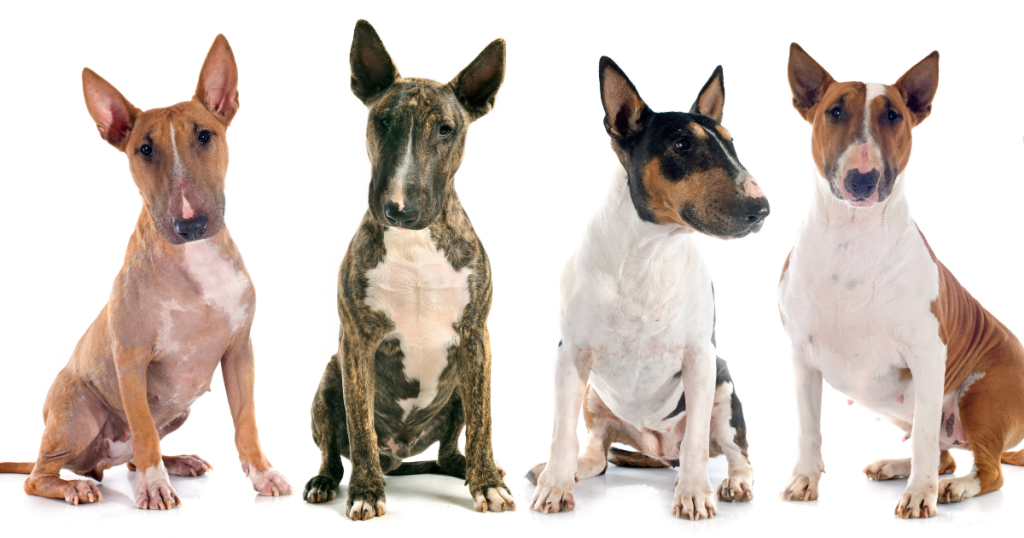
| Color | White, Brindle, Black Brindle, Red, Fawn, and Tri-Color (with or without white markings) |
| Exercise Needs | Moderate to High |
| Grooming Needs | Low |
| Trainability | Moderate (Requires Patience and Consistency) |
| Health Concerns | Deafness, Kidney Problems, Heart Issues, Skin Allergies |
3. History and Origin
From Fighting Pits to Family Homes: The Bull Terrier’s Journey
The Bull Terrier breed history and origin is a fascinating one, steeped in 19th-century England. Bred originally as a fighting dog, they are a product of crossing the Old English Bulldog with various terriers, likely including the White English Terrier (now extinct). The goal was to create a dog with the tenacity and courage of the bulldog combined with the agility and prey drive of the terrier. These early Bull Terriers were used in bloodsports like bull-baiting and ratting.
When bloodsports were outlawed in 1835, dogfighting became a clandestine activity. James Hinks of Birmingham is credited with refining the Bull Terrier into the breed we know today. He aimed to create a pure white, refined gentleman’s companion, though coloured varieties also persisted. Hinks’ Bull Terriers were known for their courage, agility, and, perhaps surprisingly, their good temperament towards people.
The modern Bull Terrier evolved further, becoming a popular show dog and family pet. While their fighting heritage remains a part of their past, responsible breeding has focused on promoting a balanced temperament and good health. The breed was officially recognized by the American Kennel Club (AKC) in 1885.
4. Physical Characteristics
The Egghead and the Muscled Frame: Defining the Bull Terrier Look
What makes Bull Terrier unique? The most striking feature of the Bull Terrier is undoubtedly its “egg-shaped” head, officially called a downfaced oval. This unique skull shape is a hallmark of the breed. They are medium-sized dogs, muscular and well-balanced, giving them a powerful and athletic appearance. They typically stand between 51 and 56 cm tall and weigh between 20 and 30 kg.
Their coat is short, dense, and harsh to the touch, lying flat against the skin. Bull Terriers come in two main colour varieties: white and coloured. Coloured Bull Terriers can be brindle, black brindle, red, fawn, or tri-colour. Patches of colour are common, and many Bull Terriers have white markings.
5. Temperament and Personality
A Clown in a Suit of Armor: Unveiling the Bull Terrier’s Personality
Bull Terriers are known for their playful, energetic, and often comical personalities. They are intensely loyal to their families and can be very affectionate. They are also courageous and protective, making them good watchdogs. However, their independent nature and stubborn streak can make them challenging to train. Early socialization is crucial to ensure they get along well with other dogs and animals.
Pros:
- Loyal and affectionate companions
- Playful and entertaining
- Courageous and protective
- Relatively low grooming needs
Cons:
- Can be stubborn and independent
- Prone to chasing and prey drive
- May not be suitable for homes with small animals
- Requires consistent training and socialization
6. Training and Socialization
Channelling the Bull Terrier’s Energy: Training and Socialization Strategies
Training a Bull Terrier requires patience, consistency, and a firm but positive approach. They respond best to reward-based training methods. Early socialization is essential to prevent aggression towards other dogs. Expose your Bull Terrier puppy to a variety of people, places, and sounds from a young age.
Address common challenges: Bull Terriers can be stubborn and easily distracted. Keep training sessions short and engaging. Focus on positive reinforcement and avoid harsh corrections. Due to their strong prey drive, recall training is particularly important.
7. Exercise and Activity Needs
Burning Off That Bull Terrier Energy: Exercise and Activity Guidelines
Bull Terriers are energetic dogs that need a moderate amount of exercise to stay happy and healthy. A daily walk or jog, combined with playtime in a fenced yard, is usually sufficient. They also enjoy activities like fetch, tug-of-war, and agility training. Mental stimulation is just as important as physical exercise. Puzzle toys and interactive games can help keep their minds engaged.
Suggested activities:
- Daily walks or jogs (30-60 minutes)
- Playtime in a fenced yard
- Fetch and tug-of-war
- Agility training
- Puzzle toys and interactive games
8. Nutrition and Dietary Needs
Fueling the Bull Terrier Body: Dietary Recommendations
Bull Terriers need a high-quality dog food that is appropriate for their age and activity level. Look for a food that is rich in protein and contains a moderate amount of fat. Avoid foods that are high in fillers or artificial ingredients. Due to their tendency to develop skin allergies, some Bull Terriers may benefit from a limited-ingredient diet.
Recommended feeding schedule:
- Puppies (8-12 weeks): 4 meals per day
- Puppies (3-6 months): 3 meals per day
- Adults (6+ months): 2 meals per day
9. Grooming and Coat Care
Maintaining the Bull Terrier’s Gleam: Grooming Essentials
Bull Terriers have a short, dense coat that requires minimal grooming. Weekly brushing with a rubber grooming mitt or soft-bristled brush will help remove loose hair and keep their coat shiny. They only need to be bathed occasionally, unless they get particularly dirty. Regular nail trims are also important.
Coat type: Short, dense, and harsh.
Grooming frequency: Weekly brushing, occasional bathing.

10. Common Health Issues
Understanding Bull Terrier Health: Common Concerns and Prevention
How to care for a Bull Terrier dog? Bull Terriers are prone to certain health problems, including:
- Deafness: Congenital deafness is a common issue, particularly in white Bull Terriers. BAER (Brainstem Auditory Evoked Response) testing can determine if a puppy is deaf.
- Kidney Problems: Polycystic kidney disease (PKD) and hereditary nephritis are potential concerns.
- Heart Issues: Mitral valve dysplasia is a heart defect that can occur in Bull Terriers.
- Skin Allergies: Many Bull Terriers suffer from skin allergies, which can cause itching, redness, and hair loss.
- Lens Luxation: This condition involves the lens of the eye dislocating.
Preventative care tips:
- Regular vet check-ups
- Genetic testing for breed-specific diseases
- Feeding a high-quality diet
- Maintaining a healthy weight
- Providing adequate exercise
11. Fun Facts
Bull Terrier Trivia: Surprising Facts About This Unique Breed
- Bull Terriers were once known as the “White Cavalier.”
- They were used as companions for gentlemen in the 19th century.
- The Bud Light mascot, Spuds MacKenzie, was a Bull Terrier.
- Bull Terriers have a distinctive “Roman nose” or downfaced profile.
12. Is Bull Terrier Right for You?
Finding the Perfect Match: Is a Bull Terrier the Right Dog for Your Lifestyle?
Bull Terriers are best suited for experienced dog owners who are willing to provide consistent training, socialization, and plenty of exercise. They need a strong leader who can set boundaries and manage their independent nature. They are not recommended for first-time dog owners or families with very young children (unless properly socialized from puppyhood).
Ideal owner profile:
- Experienced dog owner
- Active lifestyle
- Patient and consistent trainer
- Willing to provide plenty of socialization
- No small pets

13. FAQs
Common Questions About Bull Terriers
How much exercise does a Bull Terrier need?
– Bull Terriers need at least 30 to 60 minutes of exercise each day.
Are they good with kids?
– With proper socialization, Bull Terriers can be good with kids, but supervision is always necessary.
Do they shed a lot?
– Bull Terriers are moderate shedders. Regular brushing can help to minimize shedding.
Are Bull Terriers aggressive?
– Bull Terriers are not inherently aggressive but can be if not properly socialized and trained.
What are the most common health issues in Bull Terriers?
– Deafness, kidney problems, heart issues, and skin allergies are common.
14. Conclusion

At Pet Care Community, our team of passionate pet lovers, writers, and veterinary-approved experts share reliable tips, guides, and resources to help you give your furry friends the happiest and healthiest life possible. From dog breeds and training advice to nutrition, wellness, and pet parenting hacks, we’re here to support every step of your journey as a pet parent.