

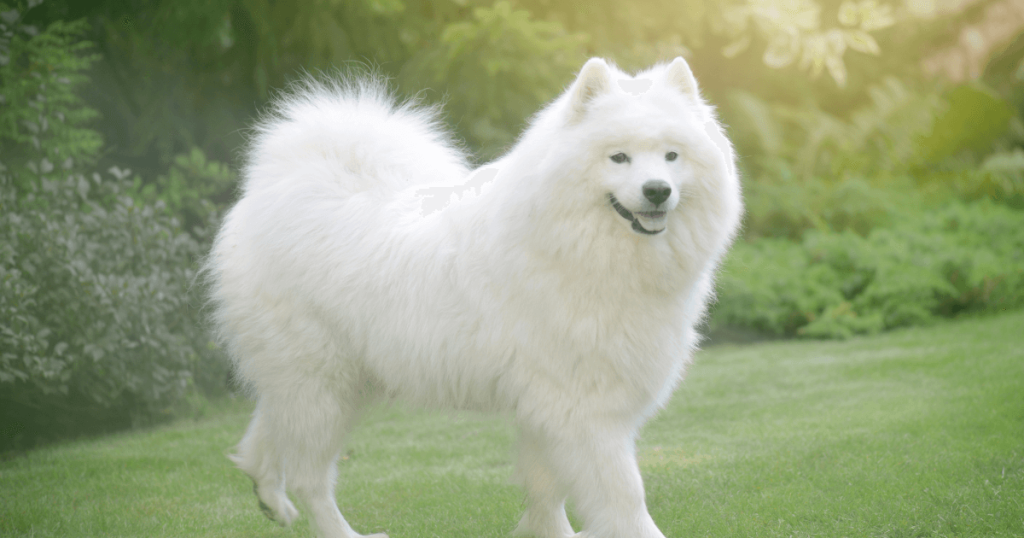
The Samoyed, with its iconic “Sammy smile” and fluffy white coat, is one of the most recognisable and beloved dog breeds in the world. Originally bred to work alongside Siberian nomads, the Samoyed is known for its gentle nature, intelligence, and stunning good looks.
If you’re considering adding a Samoyed to your family, this guide covers everything you need to know — from breed history and temperament to grooming, exercise, training, and common health issues.
Quick Breed Summary
| Trait | Details |
|---|---|
| Breed Name | Samoyed |
| Origin | Siberia (Samoyede people) |
| Size | Large (20–30 kg, 48–60 cm) |
| Coat | Thick double coat; white, cream, or biscuit |
| Lifespan | 12–14 years |
| Temperament | Friendly, affectionate, social, intelligent |
| Exercise Needs | High – at least 1 hour daily |
| Grooming Needs | High – frequent brushing & heavy shedding |
| Good With | Kids, families, other pets |
| Common Health Issues | Hip dysplasia, PRA, diabetes, hypothyroidism, bloat |
Samoyed Breed History and Origin
The Samoyed (pronounced SAM-oh-yed) traces its origins to Siberia, where the Samoyede people bred these dogs thousands of years ago.
Traditional Role: Samoyeds were used for herding reindeer, pulling sleds, and keeping families warm by sleeping beside them in tents.
Polar Expeditions: Their endurance made them vital companions in Arctic and Antarctic explorations.
Modern Era: Today, the Samoyed is celebrated as both a show dog and a loving family companion, while retaining its strong working drive.
Appearance and Size
Samoyeds are large, sturdy, and graceful dogs with a thick double coat designed for harsh climates.
Key features:
Height: 48–60 cm at the shoulder
Weight: 20–30 kg (females lighter than males)
Coat: Dense double coat, pure white most common (also cream or biscuit)
Face: Dark almond-shaped eyes with the trademark “Sammy smile”
Tail: Plumed, carried curled over the back
Fun fact: Their smile isn’t just adorable — it prevents drooling, which helps avoid icicles forming in freezing climates.

Temperament and Personality
Samoyeds are affectionately called “smiling sled dogs” for their happy expression and gentle nature.
Affectionate & Loyal: They form strong bonds with their families and thrive on human interaction.
Great with Kids: Patient, playful, and gentle, making them excellent family dogs.
Social & Friendly: Rarely aggressive; they get along with other pets and strangers when socialised early.
Energetic & Intelligent: They require consistent mental and physical stimulation.
If left alone too often, Samoyeds may become destructive or vocal. They’re happiest when included in daily family life.
How to Care for a Samoyed
Owning a Samoyed comes with responsibilities — particularly around grooming and exercise.
1. Grooming Needs
Samoyeds are famous for their thick, fluffy coat, which requires dedication to maintain.
Brush at least 2–3 times per week, daily during heavy shedding (twice a year).
Bathe every 6–8 weeks or as needed.
Trim nails monthly and clean ears regularly.
Expect shedding all year round — lint rollers and vacuuming are part of life with a Samoyed!
2. Exercise Requirements
Samoyeds are working dogs with high energy levels.
At least 60 minutes of exercise daily (walks, runs, playtime).
Activities like hiking, jogging, and pulling carts suit their stamina.
Puzzle toys and obedience training provide mental stimulation.
3. Nutrition
A high-quality, protein-rich diet is vital for Samoyeds’ energy and coat health.
Feed 2 meals daily to avoid bloating.
Monitor weight, as Samoyeds can gain excess fat if under-exercised.
Provide constant fresh water.

Training a Samoyed
Samoyeds are intelligent but independent thinkers, which can make training both rewarding and challenging.
Positive Reinforcement: Use treats, praise, and play.
Consistency: Short, frequent sessions work best.
Early Socialisation: Essential for preventing stubbornness or excessive barking.
Obedience Classes: Great for first-time Samoyed owners.
Patience is key — Samoyeds are eager learners, but their strong will requires a firm yet gentle approach.
Common Health Issues in Samoyeds and Prevention
Samoyeds are generally healthy but may be prone to certain conditions due to their size and genetics.
Potential issues include:
Hip Dysplasia: Affects mobility; choose breeders who test hips.
Progressive Retinal Atrophy (PRA): An eye disease leading to vision loss.
Diabetes Mellitus: More common in Samoyeds than other breeds.
Hypothyroidism: Can cause weight gain and lethargy.
Bloat (Gastric Dilatation-Volvulus): A life-threatening stomach condition; feeding smaller meals helps reduce risk.
Prevention tips:
Regular vet check-ups (every 6–12 months).
Responsible breeders who provide health clearances.
Maintain a healthy diet and weight.
Monitor coat, skin, and eyes for early signs of issues.

Is a Samoyed Right for You?
Samoyeds are best suited for:
Active families who enjoy outdoor activities.
Owners who can commit to daily grooming and exercise.
Households where the dog won’t be left alone for long hours.
Families with children — Samoyeds are natural companions for kids.
Not ideal for:
People seeking a low-maintenance or low-shedding dog.
Busy individuals away from home often.
Hot climates (Samoyeds are prone to overheating).
FAQs
1. Are Samoyeds good family dogs?
Yes, Samoyeds are known for their friendly and affectionate nature, making them excellent family dogs. They’re particularly great with children and other pets.
2. How much exercise does a Samoyed need?
Samoyeds are high-energy dogs requiring at least 60 minutes of exercise daily. They enjoy walks, hikes, and playtime, and benefit from activities like running and sledding.
3. How long do Samoyeds live?
Samoyeds have an average lifespan of 12–14 years. Regular vet visits and a healthy lifestyle can help extend their life expectancy.
4. Do Samoyeds shed a lot?
Yes, Samoyeds shed heavily, especially during the twice-yearly shedding periods. Regular brushing (2–3 times a week) helps manage their thick, fluffy coat.
5. Are Samoyeds easy to train?
Samoyeds are intelligent but independent, so training requires patience and consistency. Use positive reinforcement methods to encourage good behaviour.
6. What are common health problems in Samoyeds?
Common issues include hip dysplasia, progressive retinal atrophy (PRA), diabetes, and hypothyroidism. Regular check-ups and a healthy diet help prevent many of these conditions.
7. Can Samoyeds live in hot climates?
Due to their thick coat, Samoyeds are best suited to cooler climates. In hot weather, they can overheat, so it’s important to avoid excessive sun exposure and provide plenty of water.
8. How often should I groom my Samoyed?
Samoyeds require frequent grooming due to their thick coat. Brush them 2–3 times a week and increase brushing during heavy shedding seasons. Regular baths and nail trimming are also necessary.
9. Are Samoyeds good with other pets?
Yes, Samoyeds are generally social and get along well with other pets, especially when socialised from a young age. Their playful nature makes them great companions for other dogs.
10. Why do Samoyeds smile?
Samoyeds have a natural “smile” due to the shape of their mouths, which gives them a friendly, happy appearance. This smile is also functional, as it prevents drooling in cold climates.
Final Thoughts
The Samoyed dog breed is more than just a pretty face — it’s a loyal, hardworking, and loving companion. With their playful nature, affectionate personality, and iconic fluffy coat, Samoyeds bring joy to any household.
However, they require owners prepared for intense grooming, daily exercise, and long-term commitment. For the right family, the Samoyed is not only a dog but a true lifelong companion.
Author & References
This article was reviewed by a certified dog behaviourist in Australia. Information sourced from the Australian National Kennel Council (ANKC), RSPCA Australia, and veterinary guidelines.

At Pet Care Community, our team of passionate pet lovers, writers, and veterinary-approved experts share reliable tips, guides, and resources to help you give your furry friends the happiest and healthiest life possible. From dog breeds and training advice to nutrition, wellness, and pet parenting hacks, we’re here to support every step of your journey as a pet parent.