

Introduction
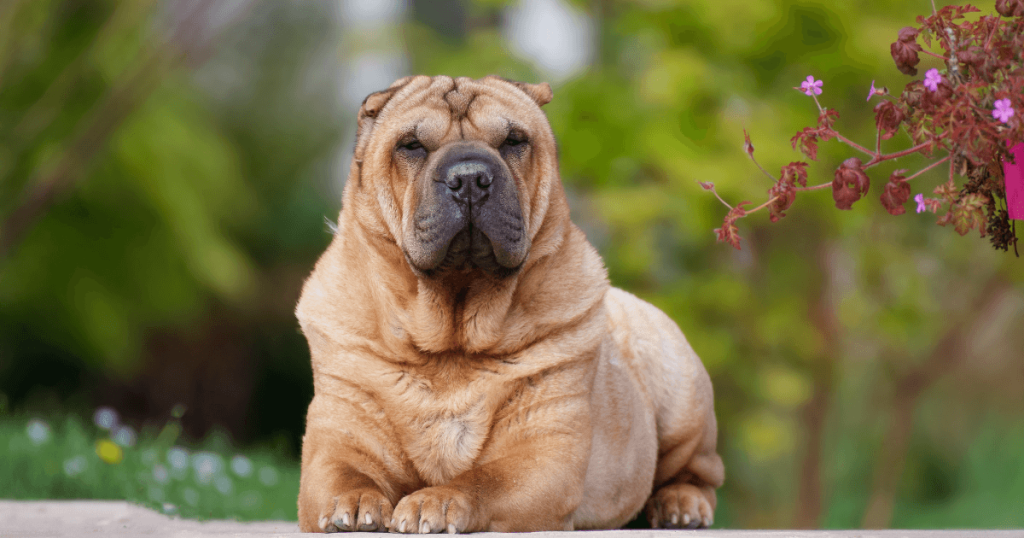
The Shar Pei, instantly recognisable by its wrinkled skin and unique “hippopotamus” face, is one of the world’s most distinctive dog breeds. Originally bred in China more than 2,000 years ago, this loyal and protective dog has transformed from a working farm guardian to a beloved companion.
This guide explores the Shar Pei’s history, personality, care needs, training tips, and common health issues, everything you need to know before welcoming this remarkable breed into your home.
Quick Breed Summary
| Trait | Details |
|---|---|
| Breed Name | Shar Pei |
| Origin | China, over 2,000 years ago |
| Size | Medium (18–27 kg, 45–50 cm) |
| Coat | Short, harsh coat; wrinkled skin |
| Lifespan | 8–12 years |
| Temperament | Loyal, protective, independent, calm |
| Exercise Needs | Moderate – daily walks, light play |
| Grooming Needs | Low to moderate, but wrinkles need regular care |
| Good With | Adults, older children, calm households |
| Common Health Issues | Skin infections, entropion, Shar Pei fever, hip dysplasia |
Shar Pei Breed History and Origin
The Shar Pei’s roots trace back to southern China. The breed’s name translates to “sand skin,” a reference to its rough, short coat.
Ancient Role: Bred as a farm dog, the Shar Pei guarded livestock, hunted, and even fought off predators.
Near Extinction: In the mid-20th century, the breed nearly disappeared due to political unrest in China.
Rescue Efforts: Hong Kong breeder Matgo Law famously appealed to Western dog lovers in the 1970s, helping save the Shar Pei from extinction.
Today, the Shar Pei is recognised worldwide, prized for its loyalty and striking appearance.
Appearance and Size
Shar Peis are medium-sized dogs with a muscular, compact build. Their trademark wrinkles and blue-black tongue make them unmistakable.
Key Features:
Height: 45–50 cm at the shoulder
Weight: 18–27 kg
Coat: Harsh, short, “sandpaper-like” coat (horse coat, brush coat, or bear coat varieties)
Colours: Solid colours including fawn, red, black, cream, chocolate, blue, and lilac.
Fun fact: Puppies are extremely wrinkled, but as they grow, the folds often smooth out, leaving most wrinkles around the head and neck.

Temperament and Personality
Shar Peis are known for their calm, loyal, and independent nature.
Protective: Bred as guardians, they are naturally wary of strangers but deeply loyal to family.
Affectionate: They bond closely with their owners, often forming a strong one-person attachment.
Independent: Shar Peis enjoy companionship but are not overly clingy.
Reserved: They are not “social butterflies” like some breeds and may prefer quiet environments.
Best suited for experienced dog owners who understand firm but gentle leadership.
How to Care for a Shar Pei
Caring for a Shar Pei requires attention to skin, coat, exercise, and diet.
1. Grooming Needs
Shar Peis are generally low maintenance thanks to their short coat. However, their wrinkles require special care.
Clean between skin folds regularly to prevent irritation or infection.
Bathe monthly (or as needed) with a gentle, vet-approved shampoo.
Trim nails every 3–4 weeks.
Brush weekly to remove loose hair.
2. Exercise Requirements
Shar Peis have moderate energy levels. Daily walks and light play are sufficient. Avoid overexertion, especially in hot weather due to their brachycephalic tendencies.
3. Nutrition
A balanced, high-quality diet is essential. Choose dog food designed for medium breeds and monitor weight — Shar Peis are prone to obesity.
Feed twice daily to avoid bloating.
Fresh water must always be available.

Training a Shar Pei
Shar Peis are intelligent but sometimes stubborn and strong-willed.
Early Socialisation: Expose puppies to people, pets, and environments from a young age.
Consistency: Use firm but kind training methods.
Positive Reinforcement: Reward-based training works best.
Boundaries: Shar Peis respect confident, calm leadership — without it, they may become dominant.
Tip: Puppy school or obedience classes are highly recommended for first-time Shar Pei owners.
Common Health Issues in Shar Peis and Prevention
Shar Peis are prone to some breed-specific health issues, many linked to their unique wrinkles and skin.
Potential conditions include:
Skin infections & allergies: Caused by moisture and bacteria in skin folds.
Entropion: An eye condition where eyelids roll inward; may require surgery.
Shar Pei Fever: A hereditary condition causing fevers and swollen joints.
Hip dysplasia: Common in medium breeds, affecting mobility.
Ear infections: Their small, folded ears can trap moisture.
Prevention Tips:
Regular vet check-ups (every 6–12 months).
Keep wrinkles dry and clean.
Watch for signs of fever, limping, or eye irritation.
Choose a responsible breeder who screens for genetic health issues.
Find out more about Pet Symptom Checker

FAQs about Shar Pei Dog Breed
1. Are Shar Peis good family dogs?
Yes, Shar Peis are loyal and protective, making them excellent family companions. However, they’re best suited for families with older children due to their reserved nature.
2. How long do Shar Pei dogs live?
The average lifespan of a Shar Pei is 8–12 years, though with proper care, some live longer. Regular vet check-ups help extend their quality of life.
3. Do Shar Peis need a lot of exercise?
Shar Peis have moderate exercise needs. A daily 30–45 minute walk plus light play keeps them fit and healthy. Avoid heavy exercise in hot weather.
4. What health problems do Shar Peis have?
Common issues include skin infections, entropion (eye condition), Shar Pei fever, and hip dysplasia. Regular vet care and responsible breeding help reduce risks.
5. Are Shar Peis aggressive dogs?
No, but Shar Peis can be protective and wary of strangers due to their guardian background. Early socialisation and consistent training are essential.
6. How much grooming does a Shar Pei need?
Shar Peis have a short coat that requires weekly brushing, but their wrinkles must be cleaned and dried regularly to prevent infection.
7. Are Shar Peis good with other pets?
Shar Peis can get along with other dogs and pets if socialised early, but they may show dominance if not trained properly.
8. Can Shar Peis live in apartments?
Yes, their calm nature suits apartment living, provided they get daily walks and mental stimulation. They don’t need large yards to thrive.
9. Do Shar Peis bark a lot?
Shar Peis are generally quiet dogs and will only bark to alert you of strangers or unusual activity.
10. What were Shar Peis originally bred for?
Shar Peis were originally bred in China as farm guardians and hunters, known for protecting livestock and families from predators.
Is a Shar Pei Right for You?
The Shar Pei is best suited for:
Experienced owners who can provide firm but gentle training.
Families wanting a loyal, protective companion.
Homes without very young children (due to the breed’s reserved nature).
Owners committed to regular skin and health care.
Not ideal for:
First-time dog owners.
People away from home for long hours (Shar Peis crave companionship).
Hot, humid climates (they are heat-sensitive).
Final Thoughts about Shar Pei Dog
The Shar Pei dog breed is an ancient, loyal, and unmistakably unique companion. While their wrinkles and distinctive looks attract attention, they require dedicated care and experienced handling.
For the right owner, the Shar Pei is a devoted protector and loving companion, blending dignity with affection in a way few breeds can match.

At Pet Care Community, our team of passionate pet lovers, writers, and veterinary-approved experts share reliable tips, guides, and resources to help you give your furry friends the happiest and healthiest life possible. From dog breeds and training advice to nutrition, wellness, and pet parenting hacks, we’re here to support every step of your journey as a pet parent.